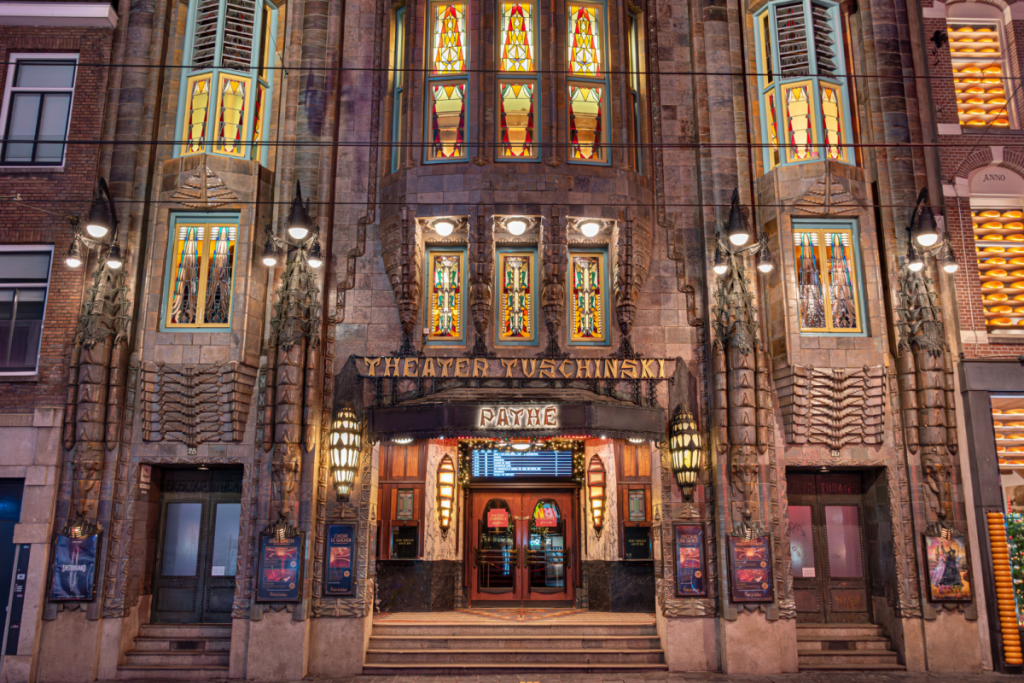

Anyone walking into Amsterdam’s city center cannot help but be enchanted by the Royal Tuschinski Theater. Since claiming the coveted title of “most beautiful movie theater in the world” in 2021, this cinematic palace has consistently held a spot in the global top 10. It is a living monument brimming with rich history, unique architecture, and timeless glamour.
A visionary dream built on smuggled pilings
The iconic movie palace owes its creation to the Polish-Jewish immigrant Abraham Tuschinski. With an unshakable belief in his dream, he purchased the dilapidated Amsterdam “Duvelshoek” in 1917 . However, the construction of the “World Theater” faced major obstacles. To circumvent the strictly guarded borders after World War I, Tuschinski had to personally smuggle the necessary pilings into the country from Germany.
On October 28, 1921, the theater opened its doors with great fanfare. The unique combination of perseverance and visionary architecture laid the foundation for a legendary status that endures to this day.
An enchanting blend of Art Deco, Art Nouveau, and the Amsterdam School
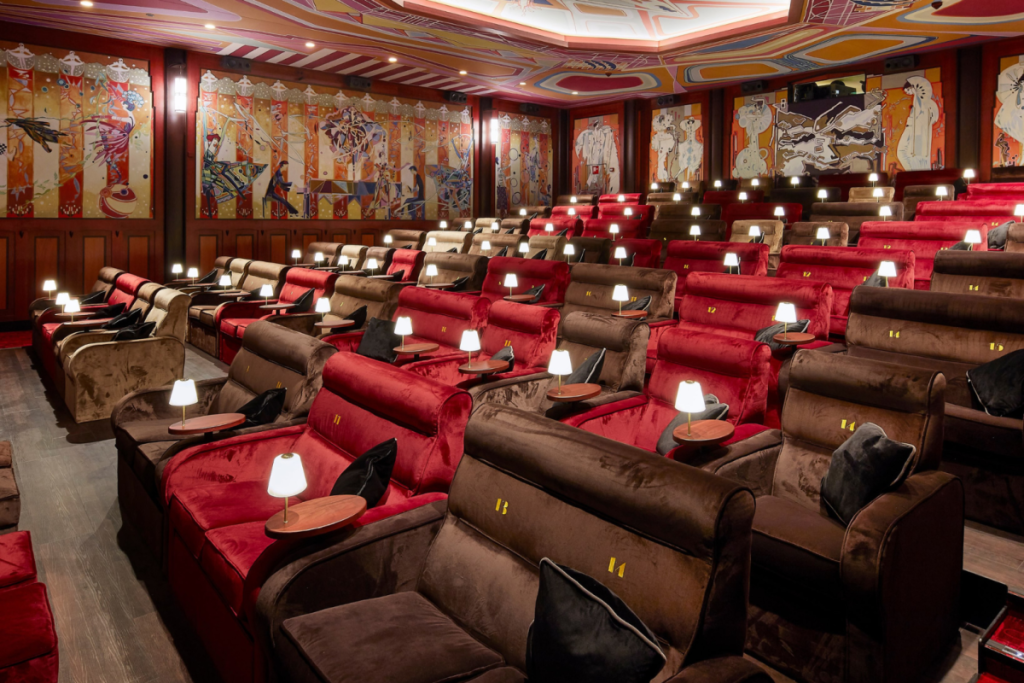
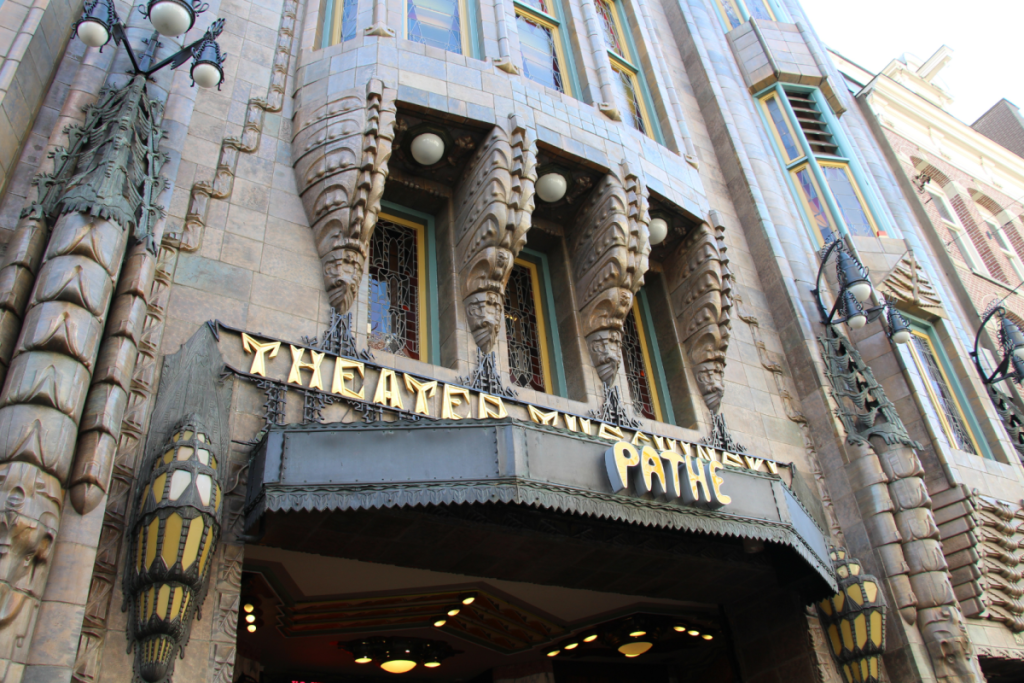
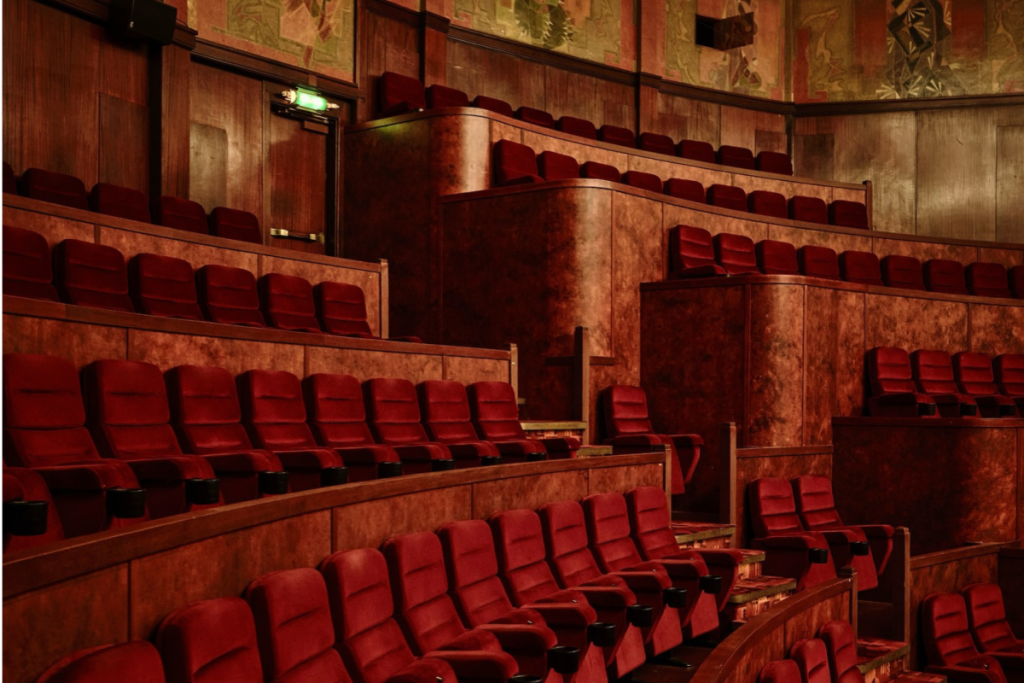
The imposing facade, with its soaring stepped towers, is an iconic example of the Amsterdam School. As soon as you cross the threshold, the building transforms into an eclectic masterpiece. The graceful, organic motifs and the wrought ironwork exude the classical elegance of Art Nouveau, while the gold-rimmed auditorium decorations and the furniture radiate the pure luxury of Art Deco.
Behind the main auditorium lies another special piece of history. In 1977 , an exclusive VIP lounge was built in just a few months for Queen Juliana, giving this national monument its regal allure.
A Turbulent Past: The Dark Years and Restored Glory
During World War II, fate dealt a harsh blow to the movie palace. After the German invasion, the theater was requisitioned, the Jewish name was removed from the facade, and it was renamed Tivoli. Founder Abraham Tuschinski was deported and did not survive the war. It was not until liberation in 1945 that the building regained its original name and former glory.
The postwar decades brought restoration and recognition. The building was designated a national monument and celebrated its centennial in 2021 , when it officially received the designation “Royal.” Recognized as part of Europe’s film heritage, Amsterdam’s iconic theater remains a symbol of cultural resilience.