
From the iconic Muiderslot and Kasteel de Haar to the historic country estates in Het Gooi: the province of Utrecht boasts a wealth of castles and palaces, but there is only one place where royal history and imperial allure come together so seamlessly.
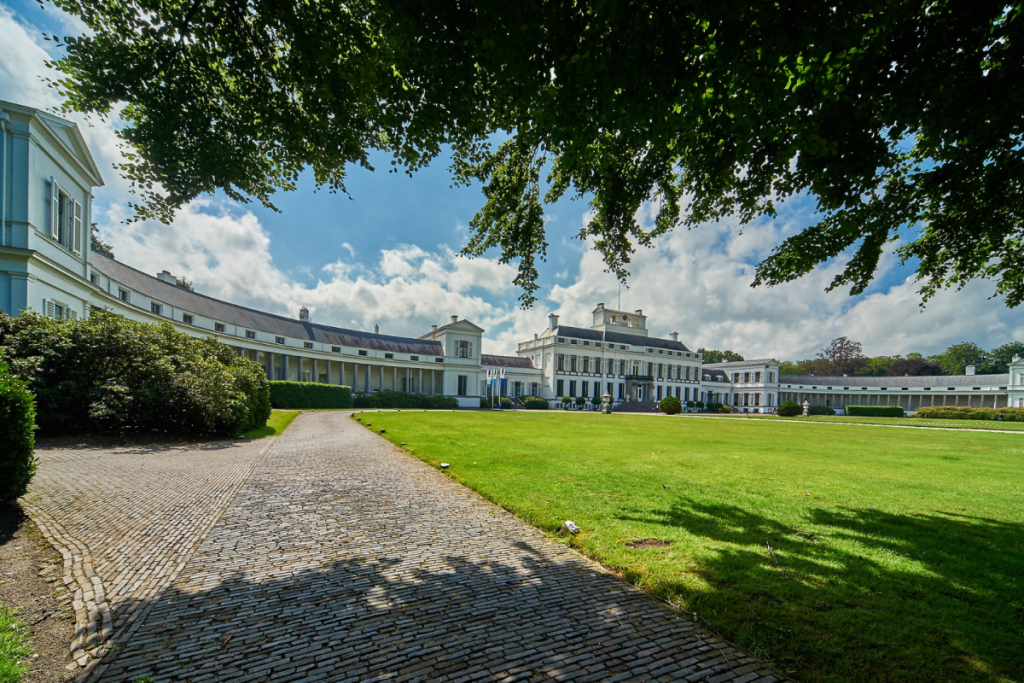
About a 40-minute drive from Amsterdam lies Soestdijk Palace, the former residence of Queen Juliana and a national monument tucked away on the border between the forests and the Eemland polders.
But the real spectacle unfolds behind the steps: a monumental park designed by the renowned landscape architect Zocher.
From a 17th-century hunting lodge to a royal residence
What began in 1650 as a modest country retreat for an Amsterdam mayor was transformed under Stadtholder William III into a stately hunting lodge. The definitive turning point came in 1815: as a tribute to the Battle of Waterloo, Crown Prince William received the palace as a gift from the people.
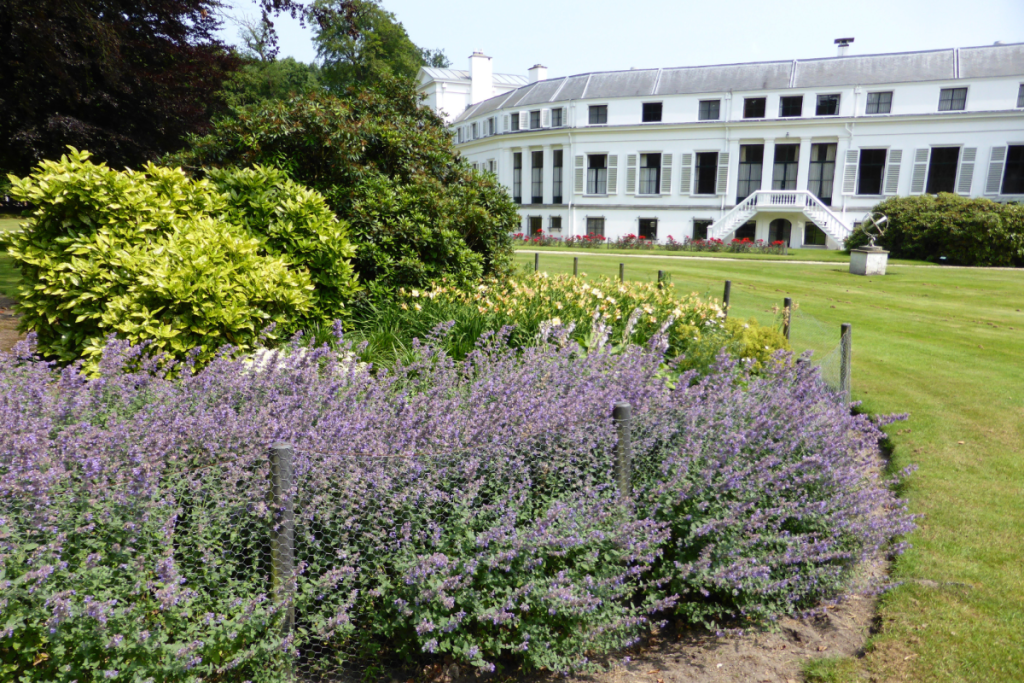
The presence of his wife Anna Paulowna, daughter of the Russian tsar, brought regal renewal with stately semicircular colonnades. For virtually the entire twentieth century, Soestdijk then served as Queen Juliana’s beloved home and workplace.
Zocher’s monumental landscape park
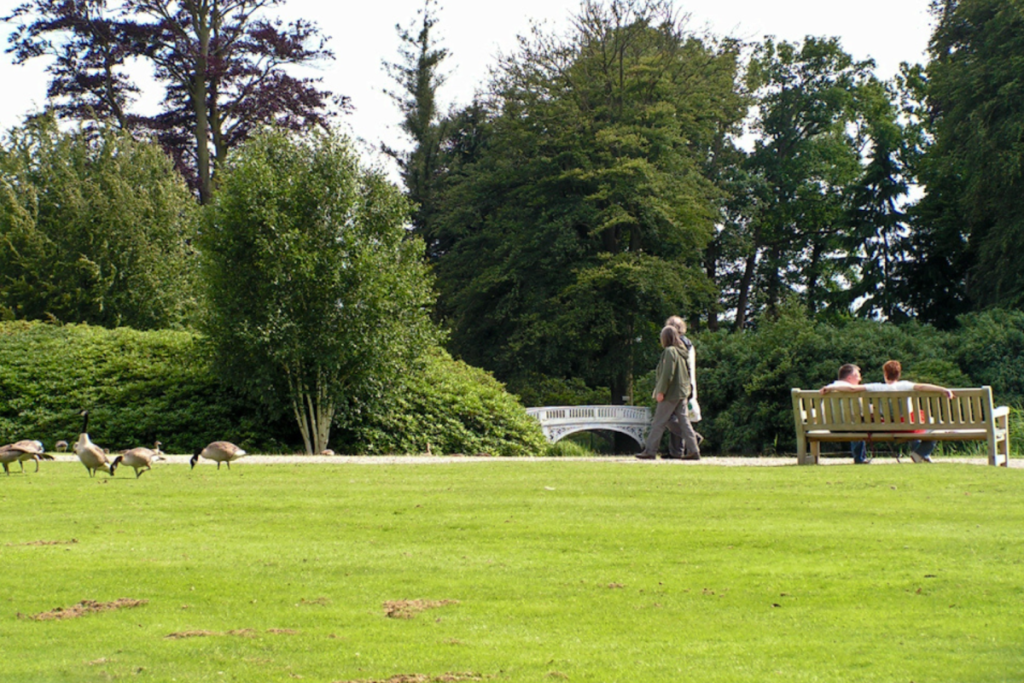
Behind the classical façade lies an impressive park that underwent a radical transformation in the nineteenth century. The renowned landscape architect Jan David Zocher Jr. transformed the austere Baroque gardens into a romantic English landscape park with winding walking paths, spacious ponds, and natural variations in elevation.
Through the clever use of sightlines and vistas, the estate blends seamlessly with the surrounding forests of the Utrechtse Heuvelrug. As a result, you stroll through a varied landscape of centuries-old groves, shimmering water features, and open meadows that lend the palace a regal aura.
Royal secrets in the palace gardens
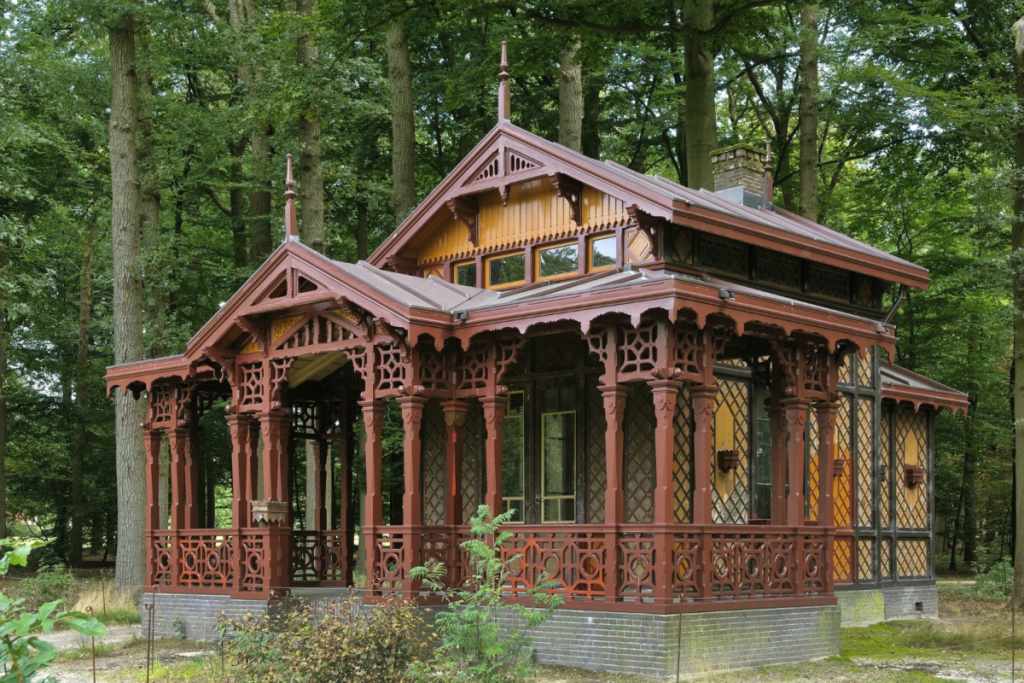
The park holds various historic surprises that bring its regal past to life. For example, you’ll stroll past the iconic wooden Wilhelmina Chalet, which was once built as a playhouse for the young princess, and a centuries-old ice cellar that served as the precursor to the refrigerator.
In addition, the Springertuin, dating from 1919, adds a charming historical touch to the park’s design. Together with the iconic water tower, these structures ensure that a stroll through the estate feels like a journey of discovery through Dutch royal history.