
If you’re looking for the most atmospheric heritage sites in Amsterdam’s city center, you don’t have to join the lines in front of the famous museums on Museumplein.
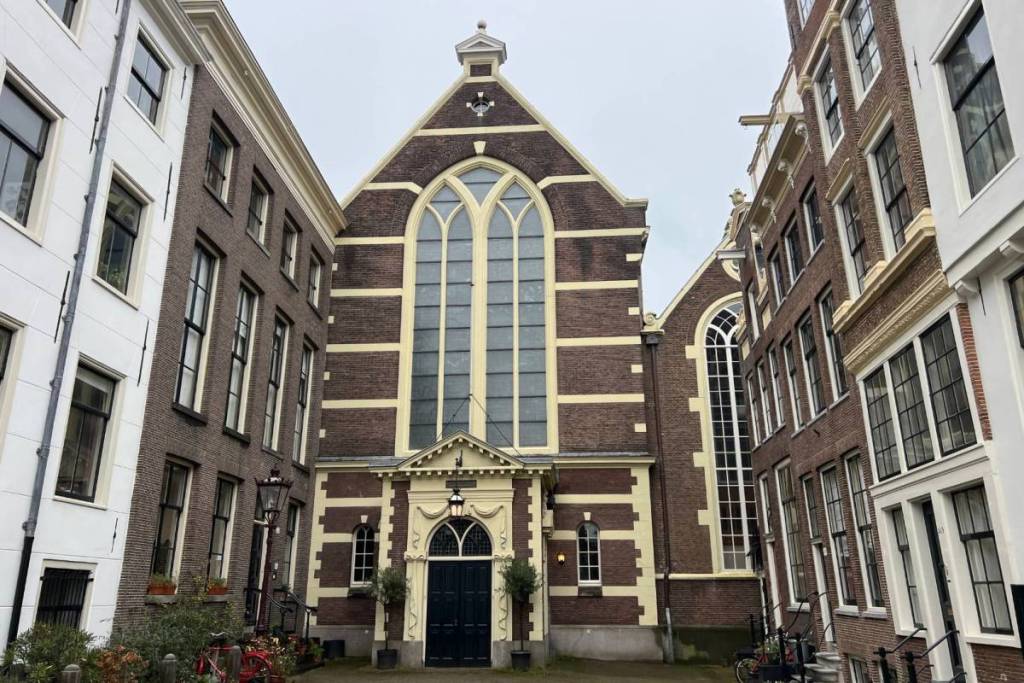
On the Oudezijds Achterburgwal stands the Walloon Church: a hidden monument dating from 1409 that, after serving as a refuge for centuries, now serves as the setting for various cultural activities and concerts, such as Candlelight Concerts.
A Shelter for French-Speaking Refugees
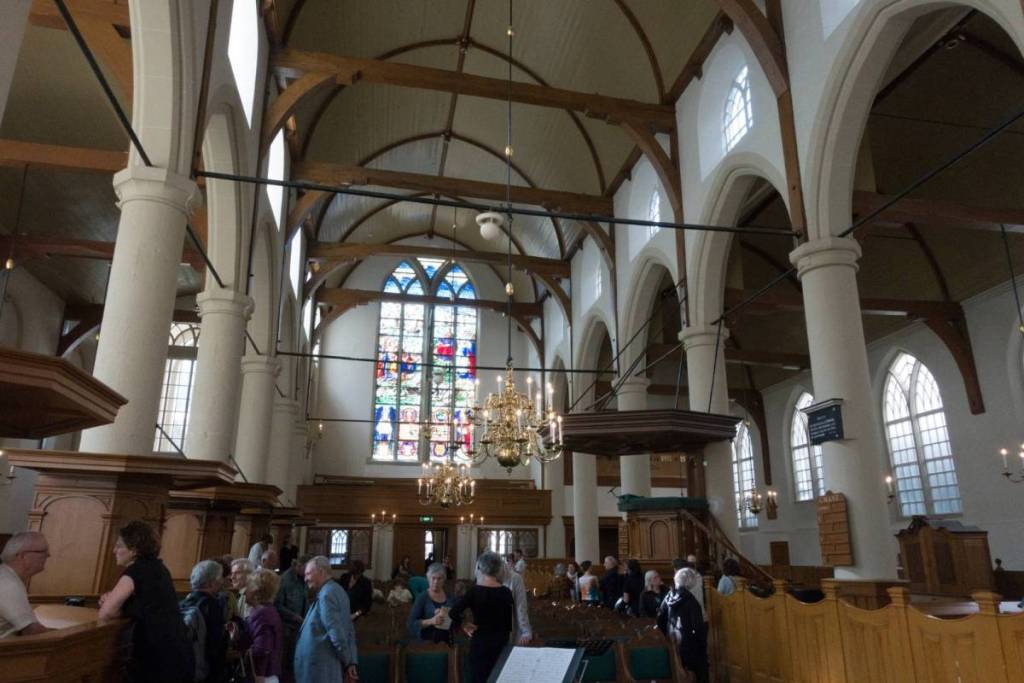
The building began in 1409 as the chapel of the Catholic Order of St. Paul. After the Alteration in 1578, the city seized the building and, in 1586, assigned it to French-speaking Protestant refugees.
When more Huguenots moved to Amsterdam after 1685 , the church was expanded with side aisles. The building became a place of honorable rest for prominent Amsterdammers such as the painter Bartholomeus van der Helst. The iconic gate from 1616, decorated with skulls, still serves as a reminder of their funeral processions.
Van Gogh’s Nighttime Gesture
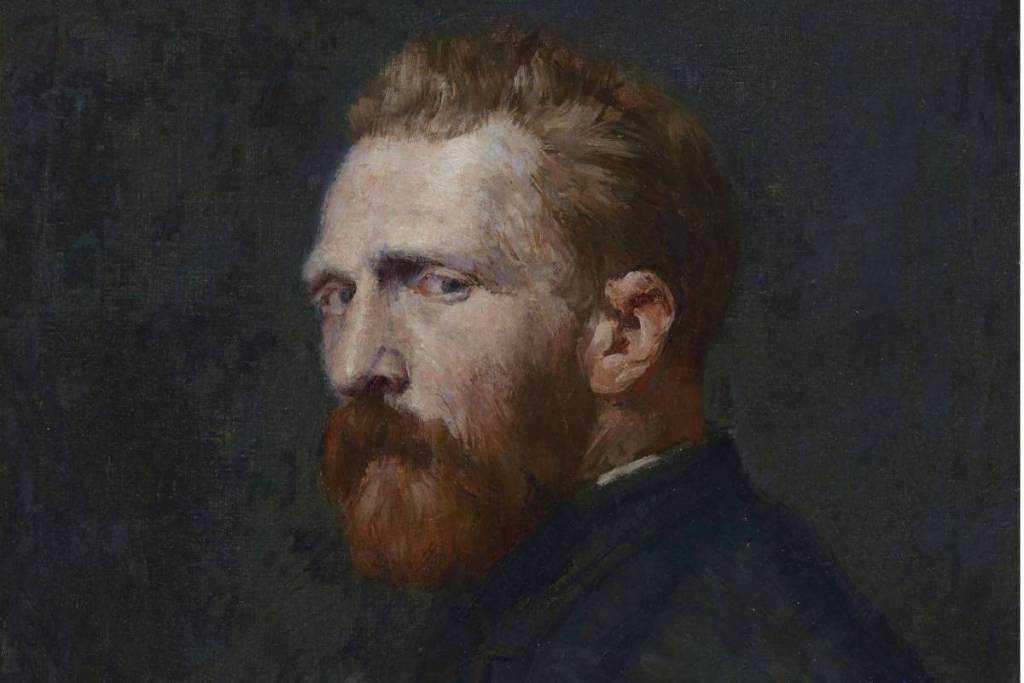
On October 18, 1877 , a young Vincent van Gogh entered the Walloon Church to attend the French-language service led by Reverend Gagnebin. Van Gogh was studying in Amsterdam at the time and wanted to practice his French. To impress the clergyman, he got up at two o’clock that night to draw a detailed map of St. Paul’s travels.
Centuries-old acoustics bathed in candlelight
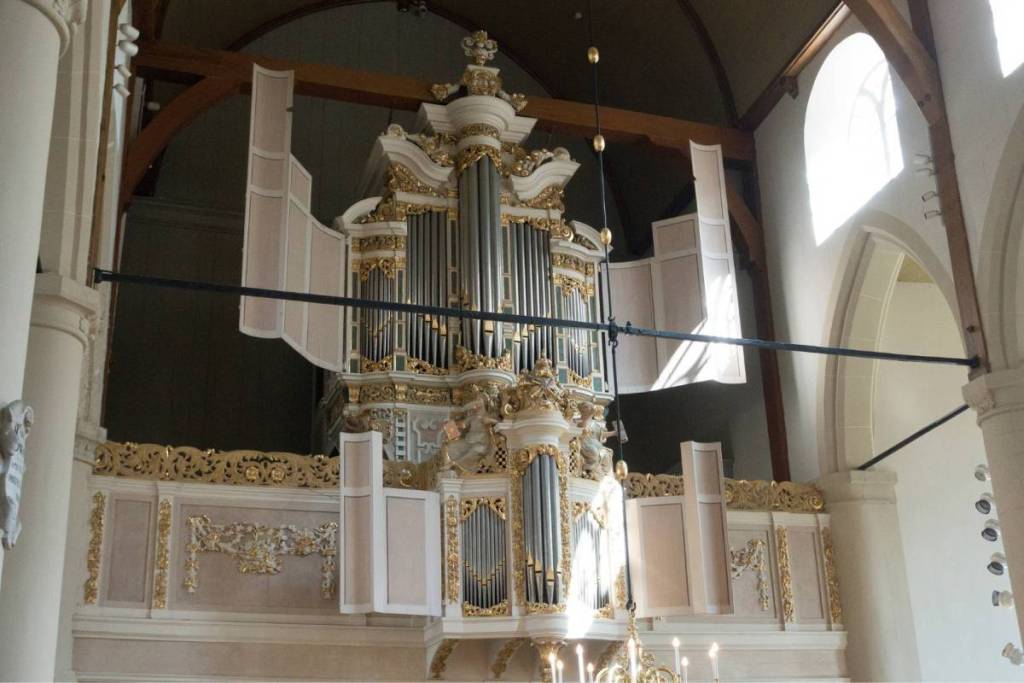
Today, the Walloon Church is nationally renowned for its exceptional acoustics, thanks in part to its 15th-century wooden roof structure. The building’s centerpiece is the monumental pipe organ from 1734 by Christian Müller, which is considered one of the best-preserved examples in the world.
Thanks to its superior acoustics, the church is a popular venue for professional music recordings and classical performances. During the intimate Candlelight Concerts, thousands of flickering candles transform the historic space. Music lovers enjoy live performances of classical masterpieces as well as modern film scores and pop covers in a fairytale-like atmosphere.