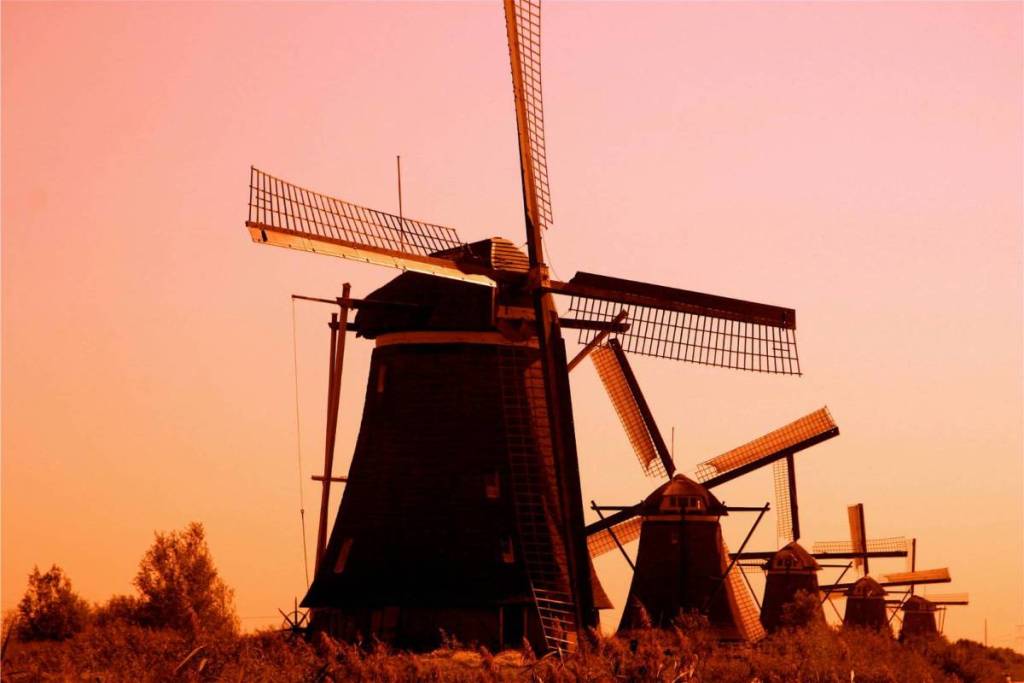

As you stroll along the narrow canal path, you immediately feel as if you’ve stepped into a living Dutch painting. With its 19 giant windmills , Kinderdijk is our most iconic water heritage site and is officially recognized as a UNESCO World Heritage Site. Whereas the average polder village has at most one windmill, here you’ll find an entire 18th-century water management system. Behind this idyllic scene lies a bizarre story: from families living inside the windmills to the crucial heroic role these monuments played during World War II.
How Centuries-Old Windmills Prevented a Disaster in WWII
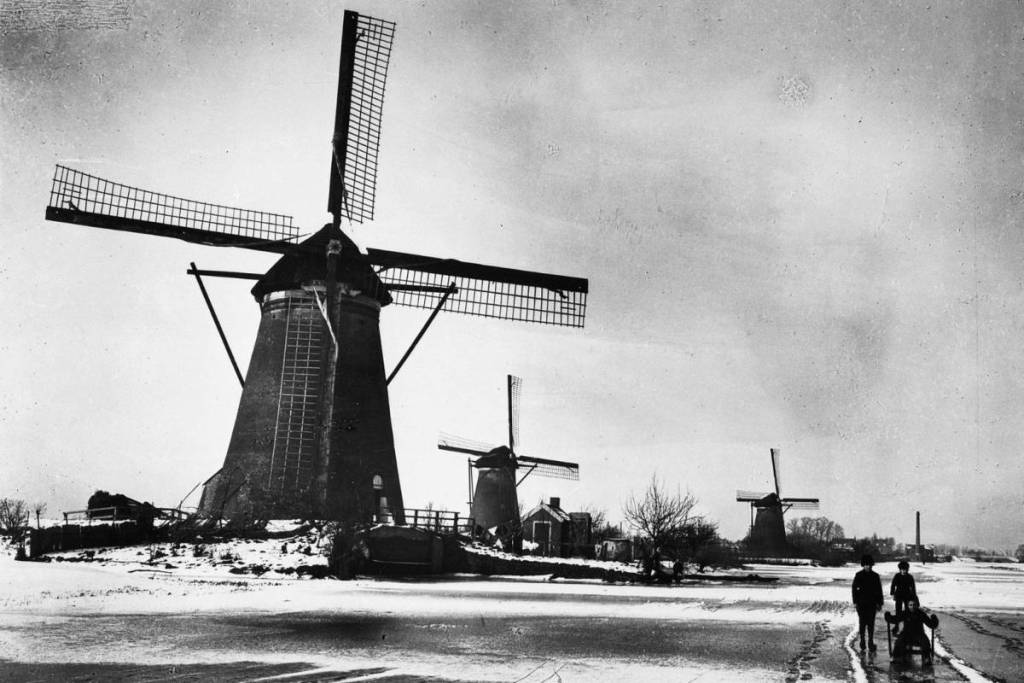
During the harsh winter of 1944–1945 , a silent catastrophe loomed . Due to a severe shortage of fuel and electricity, the region’s modern steam- and diesel-powered pumping stations came to a complete standstill. If the water levels rose, the entire polder would flood, resulting in devastation and famine.
In a rush, the 18th-century windmills —which had already been decommissioned—were put back into service. Using only the power of the wind, the millers kept water levels stable day and night. Thanks to this historic emergency measure, the land remained dry, and a devastating flood was prevented in the midst of World War II.
What it’s like to live in a 300-year-old windmill
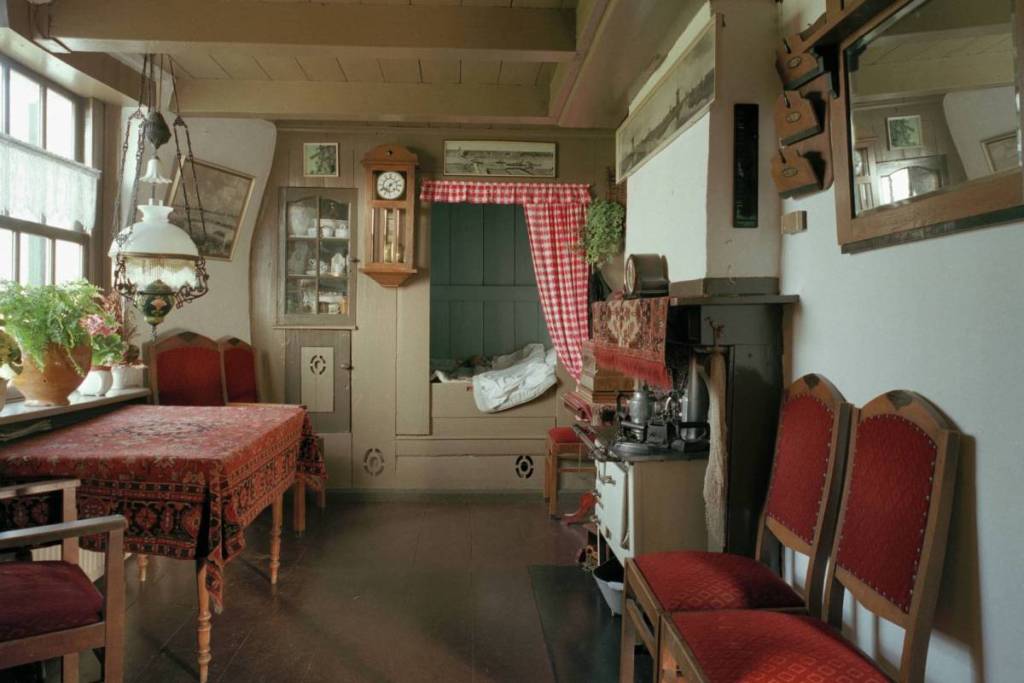
Life in a centuries-old polder mill is anything but ordinary. Because the sturdy walls slope inward, virtually every piece of furniture must be custom-made. Moreover, the families literally live inside the working mechanism.
When the wind picks up and the sails turn, the entire structure creaks and vibrates. It truly takes skill to operate such a historic machine. This passion for the miller’s craft is therefore often passed down from generation to generation: a unique lifestyle where living, history, and craftsmanship come together.
The ingenious water system behind the 19 windmills
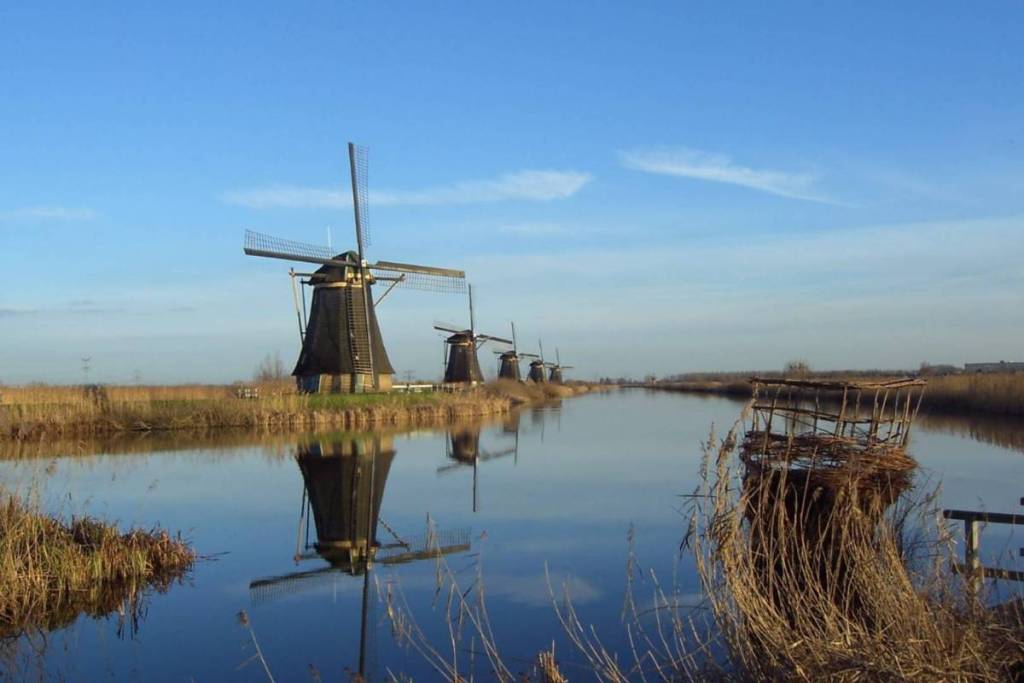
The fact that these 19 windmills are clustered so closely together is no coincidence but a masterpiece of 18th-century engineering. The low-lying polders of the Alblasserwaard had struggled with persistent flooding for centuries. To efficiently drain the excess polder water into the Lek River, a clever system was devised.
The windmills were divided into two groups that pumped the water upward in stages. This impressive feat of water management has made the site world-famous to this day: a historic masterpiece that kept our country dry when nothing else worked.