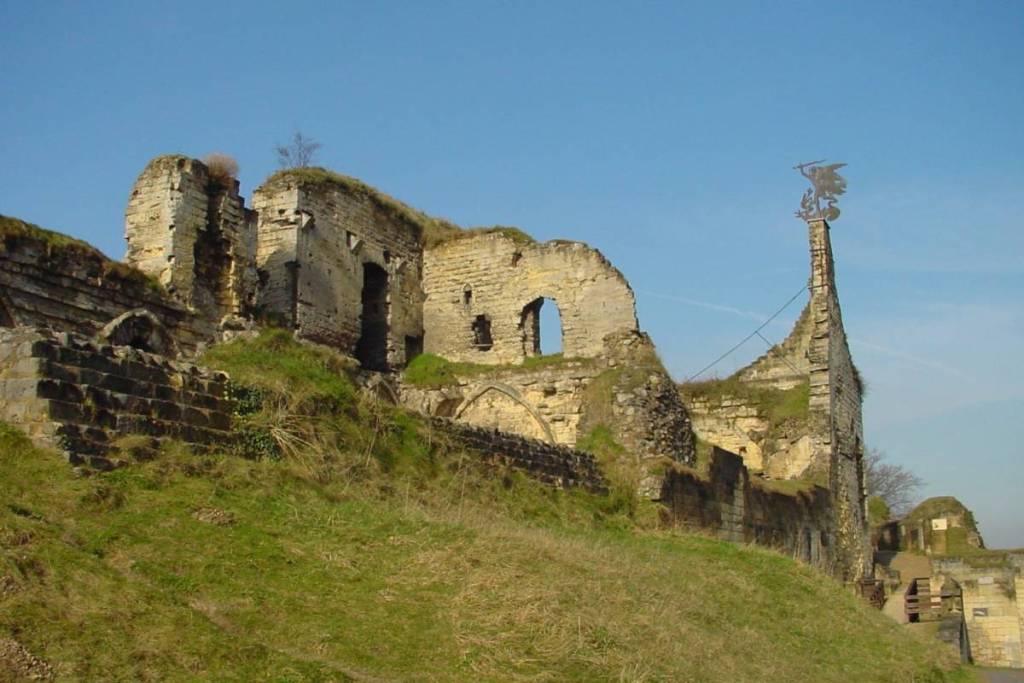

While the rest of the Netherlands was building castles surrounded by marshy moats, a rare phenomenon arose around 1075 on the Heunsberg in Limburg. From this massive hilltop castle, the lords of Valkenburg ruled the Geul Valley unchallenged for centuries.
The fortress seemed impregnable until the infamous Year of Disaster, 1672, arrived. An invading French army and a ruthless order from Stadtholder William III transformed the proud center of power into a castle ruin in a single thunderous blow.
The Disaster Year of 1672
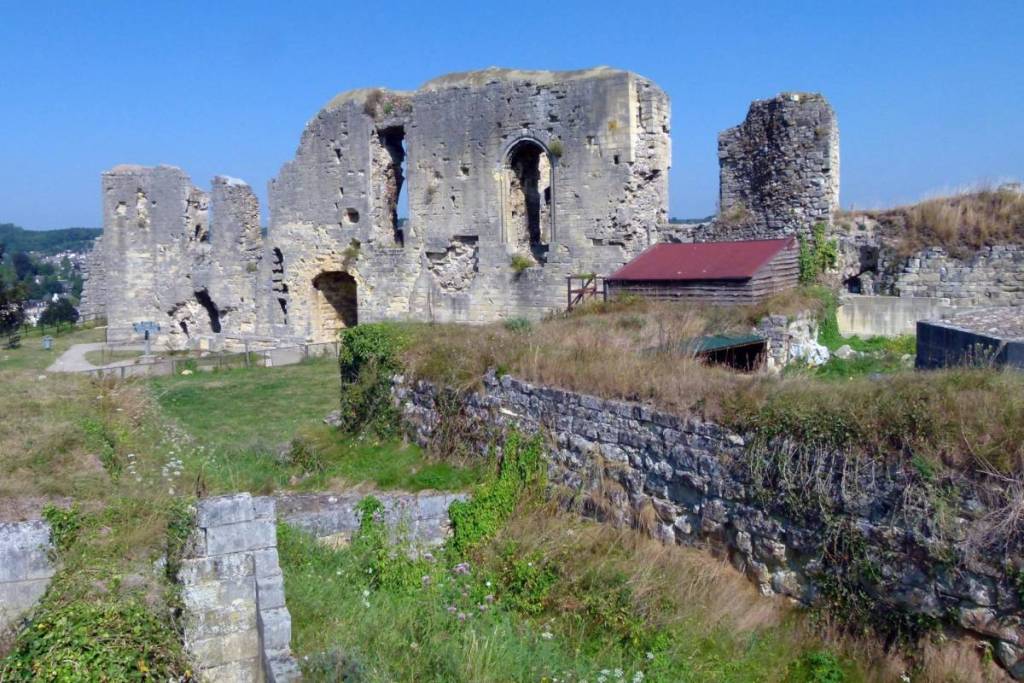
In May 1672, the troops of the French “Sun King,” Louis XIV, marched into South Limburg. Valkenburg Castle quickly fell into enemy hands and served as a strategic base from which to encircle nearby Maastricht.
When Dutch troops managed to recapture the fortress in early December, Stadtholder William III took no further risks. On December 10, 1672, his units detonated heavy charges of gunpowder beneath the towers and vaults, rendering the fortress permanently unusable by the enemy.
The Netherlands’ only true hilltop castle
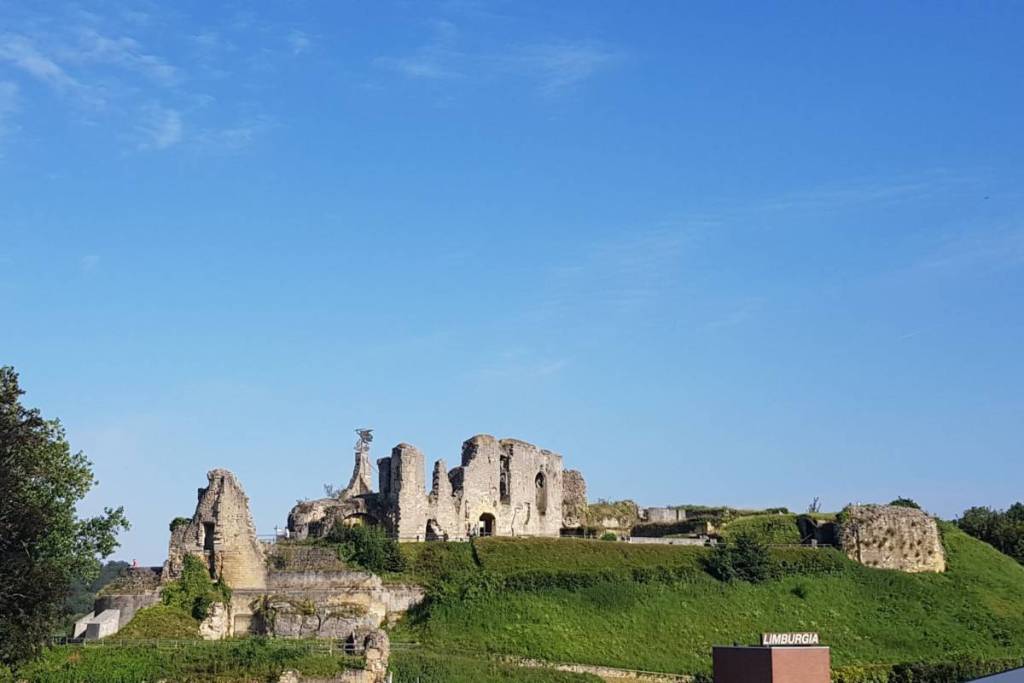
While virtually all Dutch castles are situated in flat polders surrounded by moats, this fortress towers steeply above the landscape. For centuries, medieval lords built massive marl walls atop the Heunsberg that dominated the entire Geul Valley.
Today, you can stroll at your own pace among the monumental remains of the knights’ hall and the keep. From the remaining fortress walls, you can look out over the rooftops of the historic town, just as the sentries of yesteryear once did.
Five kilometers of secret escape tunnels
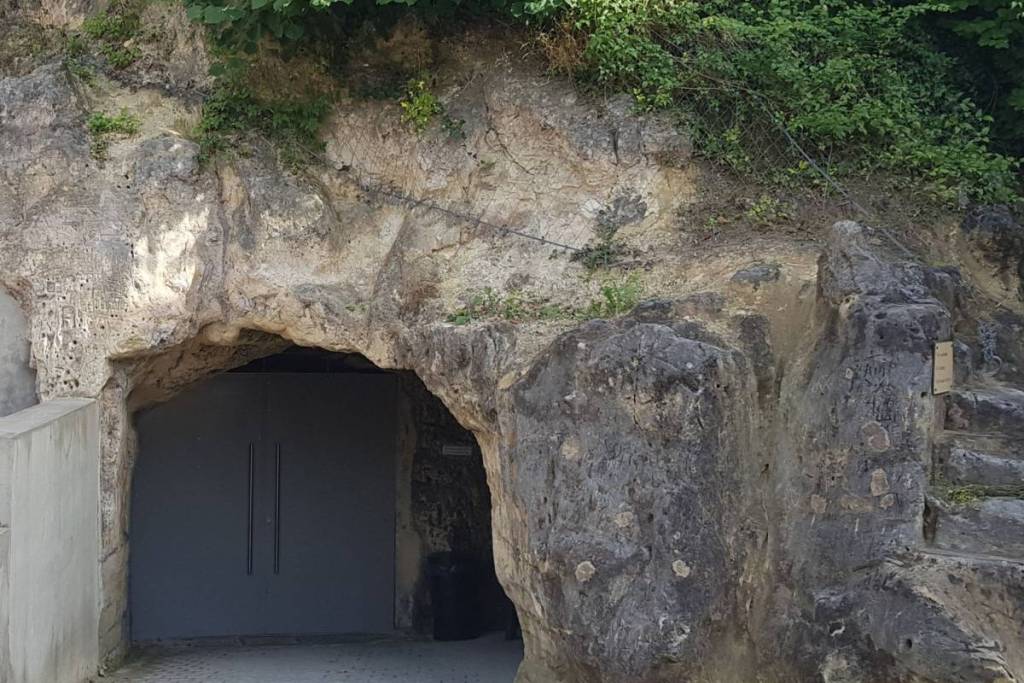
Deep beneath the ruins lies the dark heart of the complex: the Velvet Cave. For centuries, medieval stone cutters quarried marl blocks from the rock here, creating an underground labyrinth stretching no less than five kilometers.
During sieges, castle residents used these secret passageways to smuggle in supplies unseen or to bypass enemy lines. It wasn’t until 1937 that researchers rediscovered these hidden corridors, where the temperature remains exactly 12 degrees Celsius year-round.