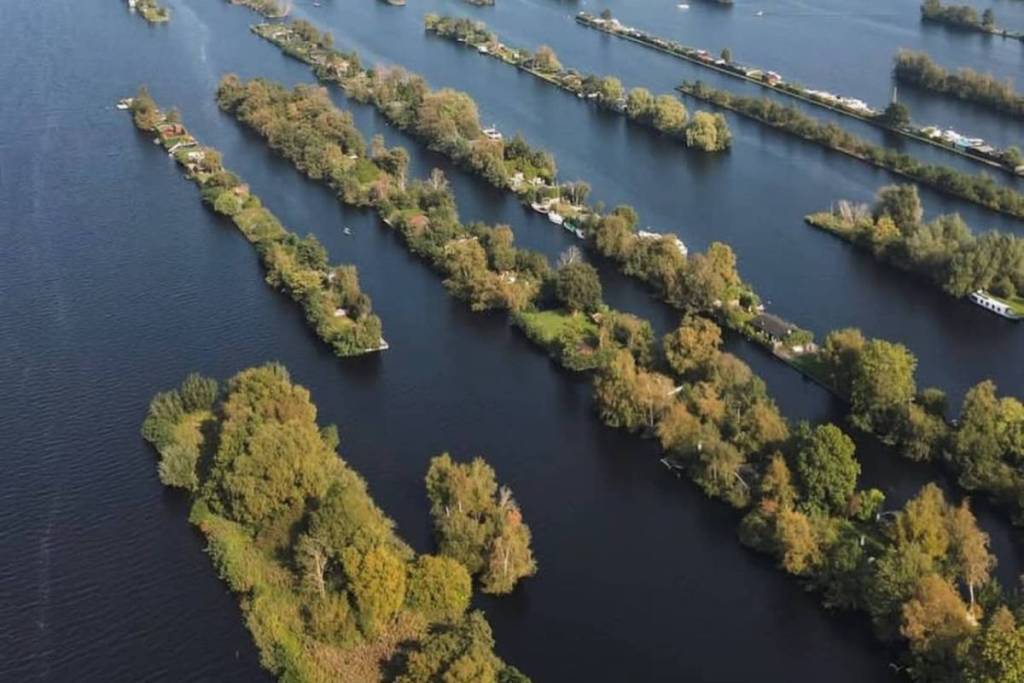

When the temperature rises, we’d much rather swap the hot city asphalt for a refreshing dip in nature. Sometimes you don’t have to travel far at all to find crystal-clear water and that sun-drenched island vibe.
Just beyond the city limits lie the Vinkeveense Plassen, where hundreds of private islands and man-made sandy beaches await you. For anyone who wants to swim outdoors in beautiful natural waters this summer, this is the region’s absolute hotspot. But this idyllic setting didn’t come about by chance.
How Dried Peat Created the Iconic Island Labyrinth
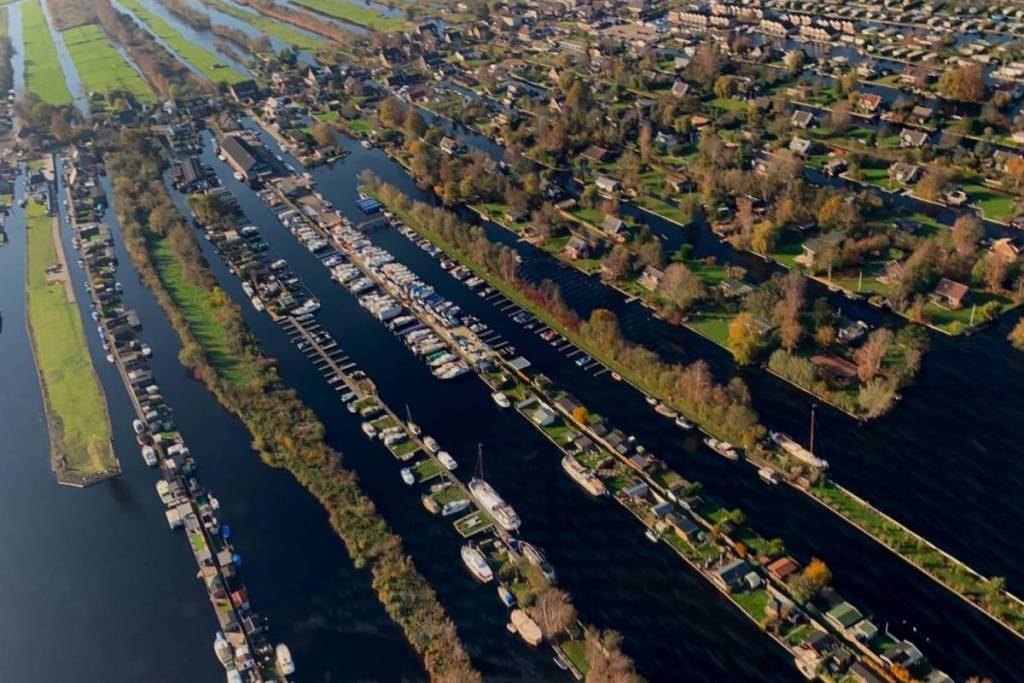
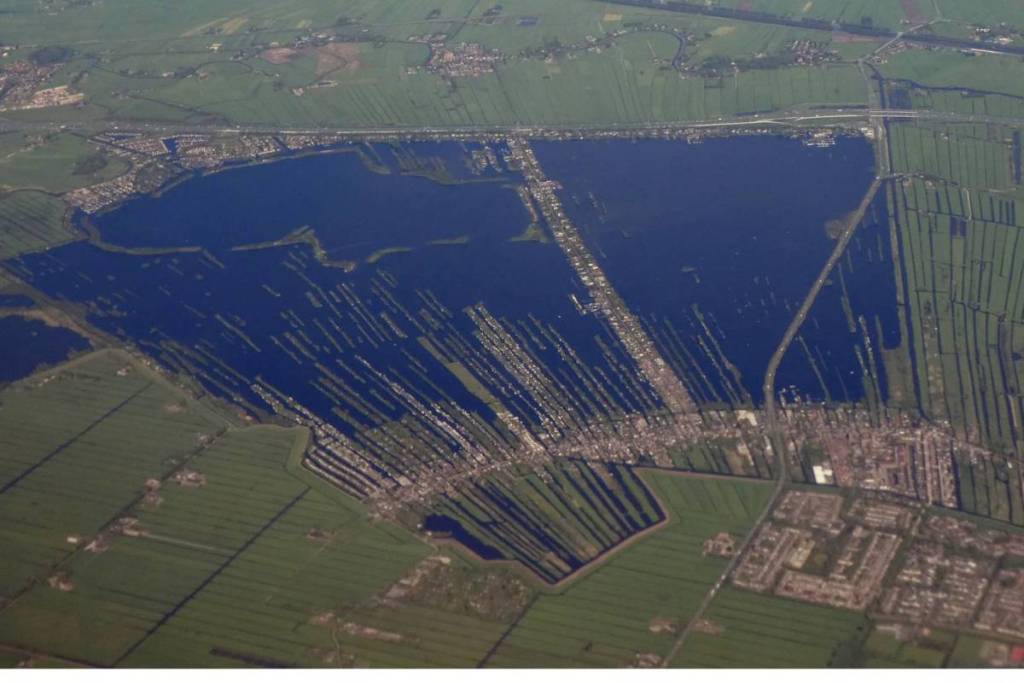
The unique pattern of the Vinkeveense Plassen is the result of a centuries-old battle against the wetlands. In the twelfth century, residents began reclaiming the wild peat bog. Dug canals drained the polder water, after which the soil slowly settled.
In the seventeenth century, the region underwent a truly radical transformation. The rapidly growing city of Amsterdam urgently needed fuel for its stoves. Workers cut the peat by hand and laid the wet peat out to dry on narrow strips of land: the famous “legakkers.”
Where the peat disappeared, deep holes remained. Due to persistent storms and erosion of the banks, these channels expanded into immense lakes. This is how the maze of dry fields transformed into the iconic archipelago we see today.
A 50-meter-deep secret beneath the crystal-clear water
Anyone who heads out onto the polder waters on a sunny day finds themselves floating above a vast underwater world. In some places, the bottom drops unexpectedly steeply, reaching depths of up to fifty meters. This ravine was formed in the last century, when dredgers removed massive amounts of soil for the construction of the A2 highway and the Amsterdam Bijlmer neighborhood.
To protect the fragile archipelago from the waves of these deep lakes, twelve sand islands were created. That pure sandy bottom naturally filters the polder water. The result is so exceptionally clear that swimmers and divers can often see more than twenty meters ahead.
From a bustling archipelago to a protected bird paradise in the polder
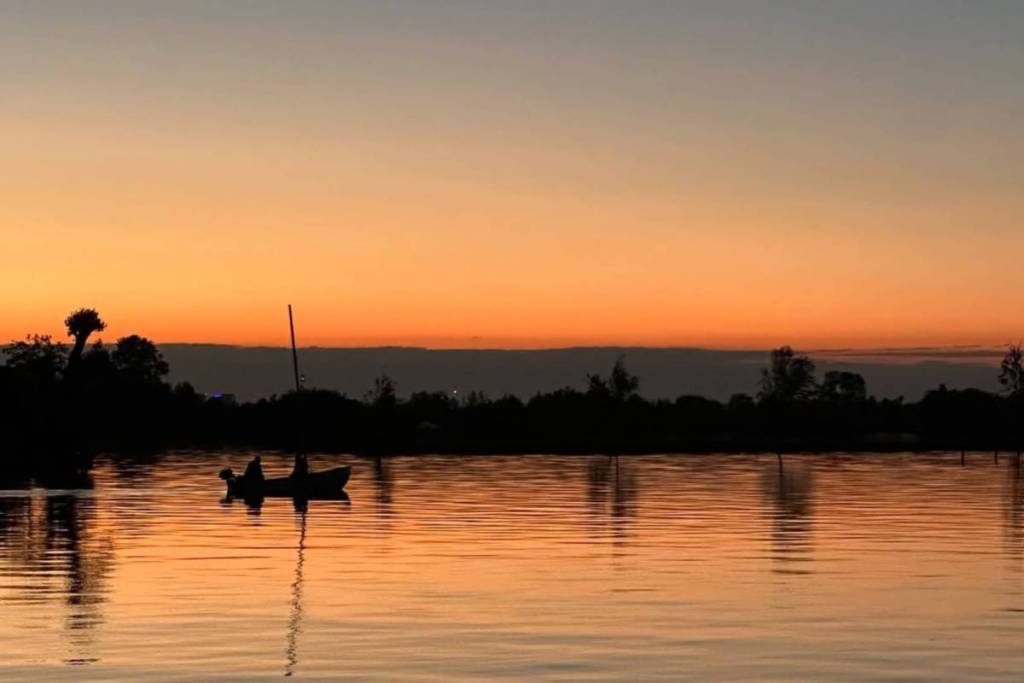
Those who leave the bustling archipelago behind will encounter a completely different world. Right next to the busy waterways lie breathtaking nature reserves such as Botshol and the Waverhoek. In these protected “silent polders,” motorized boats are prohibited, and the rugged polder landscape has free rein.
The marshy wetlands provide an ideal refuge for rare birds. Among the reeds, the great egret, the purple heron, and the shy bittern nest. Hikers and canoeists discover a centuries-old polder landscape here, where the wind rustles through the reeds and the silence is broken only by the calls of the many marsh birds.
How to Best Experience the Vinkeveense Plassen
Getting out on the water is the only way to truly experience the area. With a quiet, electric boat, you can easily navigate the maze of narrow canals, far away from the busy traffic on the road.
The twelve artificial sand islands are open to the public and are the best spots for a stopover. Thanks to the gently sloping sandy beaches, you can step right into the clean water. Those who prefer to avoid the crowds at the popular beaches can sail on to the quiet edges of the polder, where nature reigns supreme.