
You probably know the park from school field trips or family outings back in the day, but chances are you’ve never heard this bizarre backstory. Behind the scenes at Madurodam lies a history that even caught the attention of people on the other side of the ocean back then.
None other than Walt Disney visited Europe in the early 1950s. There, he became completely fascinated by the unique Dutch concept on a 1:25 scale. The park’s design was so revolutionary at the time that Disney immediately used the scale and layout as the definitive blueprint for his very first Disneyland in California, which opened its doors a few years later.
How Madurodam Became the Blueprint for Disneyland
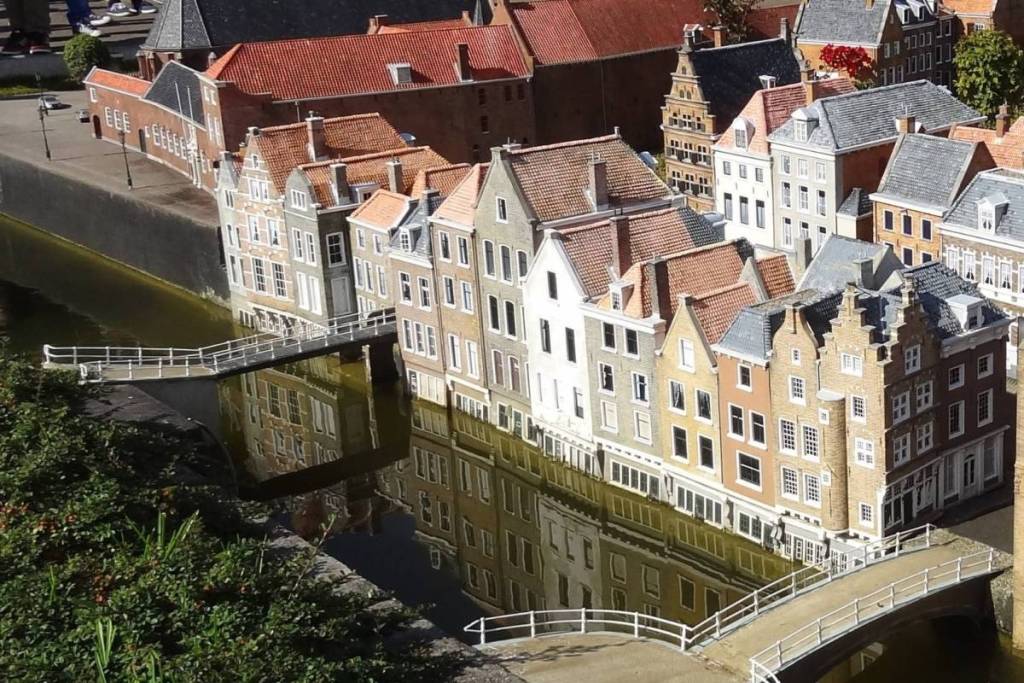
When Walt Disney walked around this brand-new park in the early 1950s, he was amazed by what he saw. He was looking for inspiration for his own family attraction at the time and was deeply impressed by the perfect scale and the unique atmosphere. He immediately took this Dutch concept back with him to America. It served as the official blueprint for the famous Storybook Land attraction at the very first Disneyland in California.
An entire miniature country on a 1:25 scale
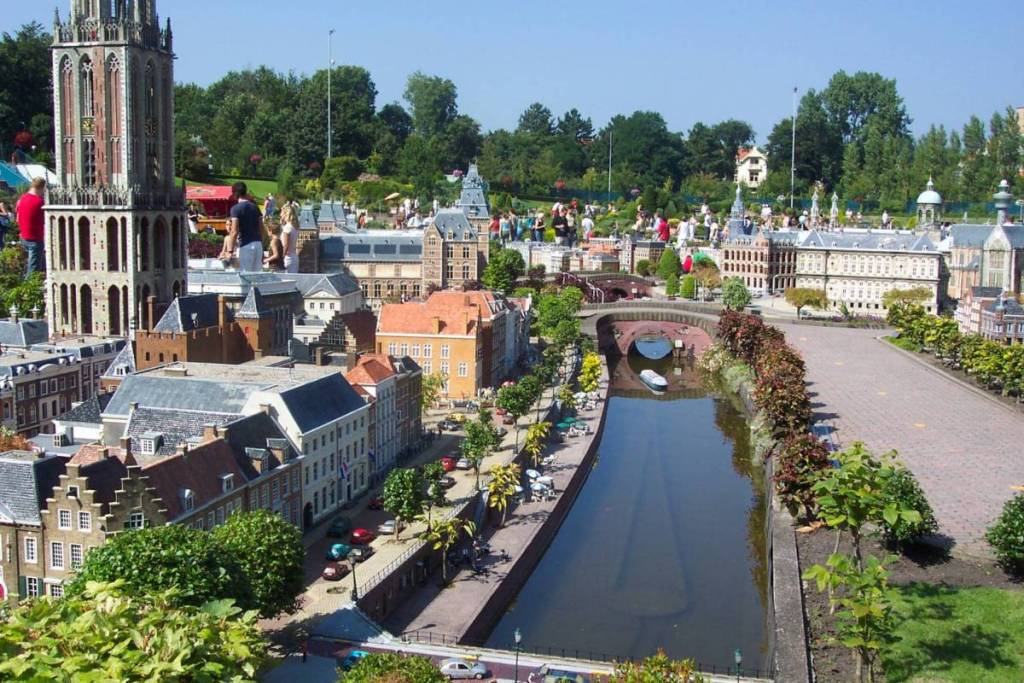
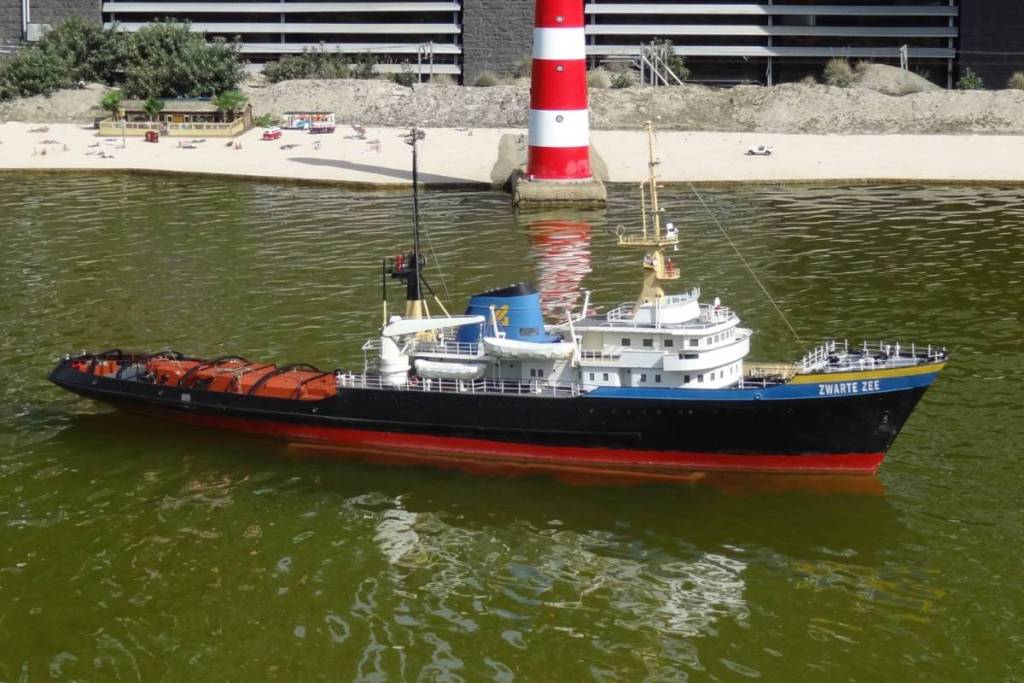
Everything in this park has been recreated with computer-controlled precision. In just a few steps, you can walk from the meter-long Erasmus Bridge to Amsterdam’s canal-side houses, where thousands of miniature bicycles are parked. The rail network is no less than four kilometers long, and the hundreds of tiny residents even change their outfits. As soon as winter sets in, the figurines are dressed in thick winter coats to keep the street scene eerily realistic.
The special tribute that donates all its profits directly
The park was not founded by a commercial company but began as an emotional memorial to George Maduro. This Dutch war hero fought bravely against the Nazi occupation and died in the Dachau concentration camp. His parents donated the start-up capital to bring this living memorial to life. To this day, the park retains its unique status: every year, all net profits go directly to charities that support projects for young people.