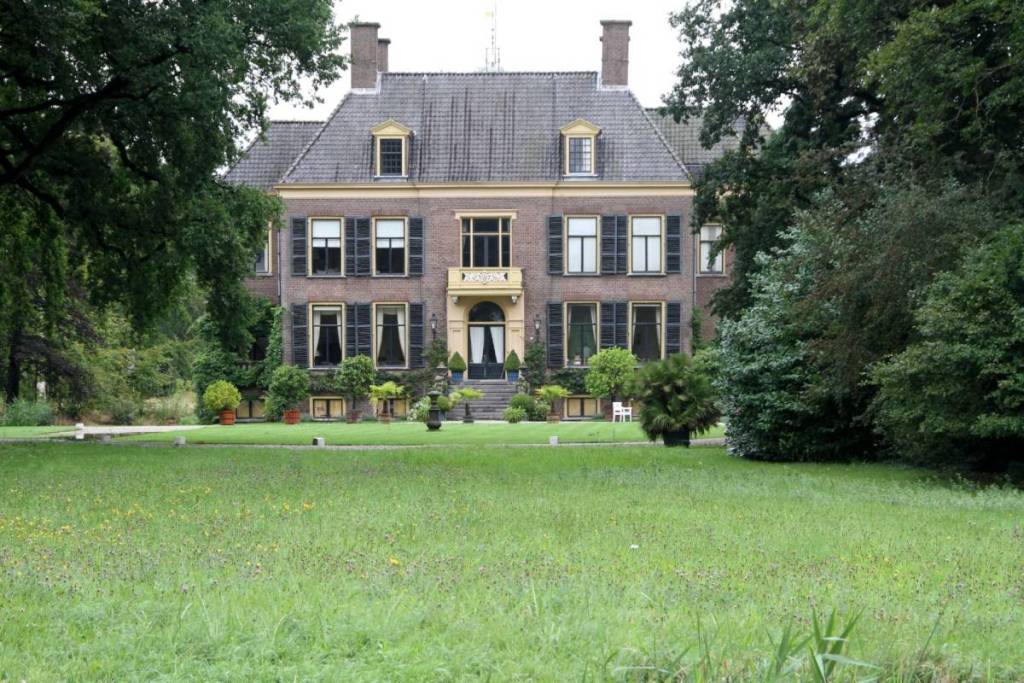

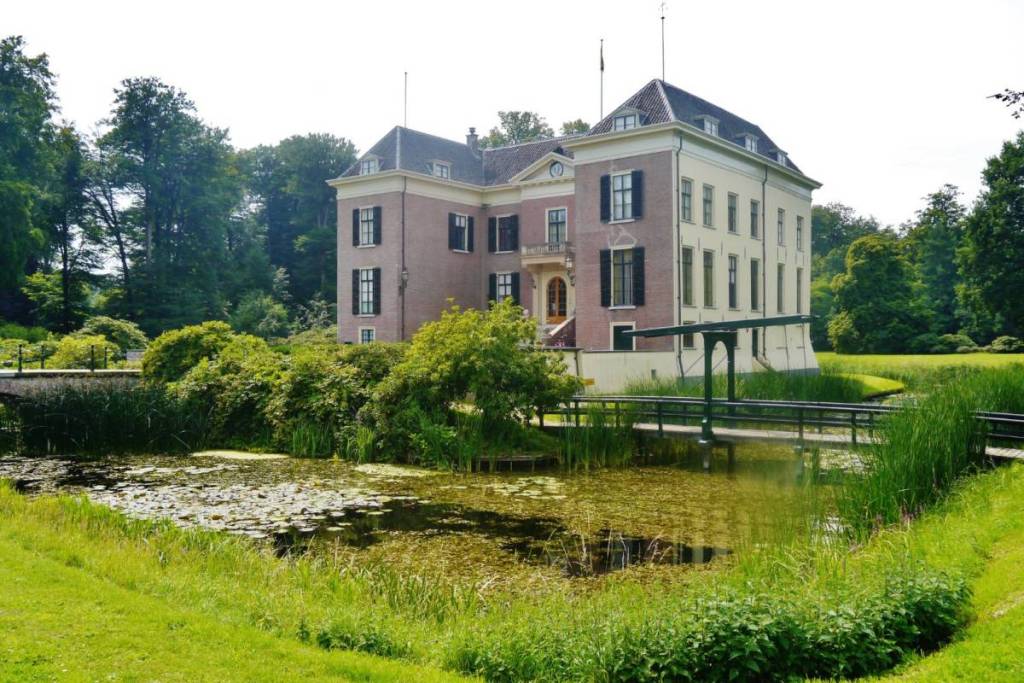
In the dense forests near Doorn stands a country house with a remarkable story. This is where Emperor Wilhelm II, the last emperor of Germany, spent his final years. Anyone who passes through the gates of Huis Doorn today steps directly into a completely preserved world full of extreme luxury, remarkable habits, and an unprecedented collection of treasures.
64 train cars full of treasures: Emperor Wilhelm II’s bizarre move
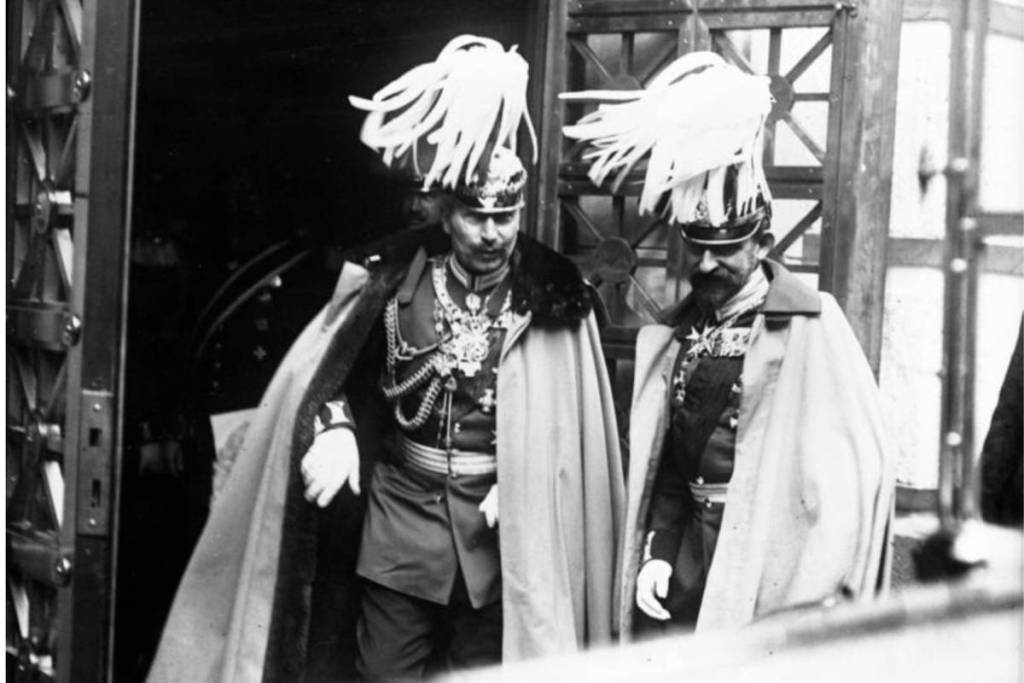
When Emperor Wilhelm II fled to the Netherlands in 1918 after the end of World War I, he left his throne behind. But he certainly did not leave his immense wealth behind. He had no fewer than 64 entire train cars filled with palace furnishings, carpets, and art transported from Berlin to Huis Doorn.
The former emperor refused to live modestly and filled the country house with more than 30,000 art treasures, precious porcelain, and gold-mounted furniture. Within its walls, he continued to live as if he were still the ruler. A striking detail in the dining room is the Kaisergabel: a specially designed fork that allowed him to dine with one hand due to his paralyzed arm.
The emperor’s strange hobby: why he cut down thousands of trees
To fill his days, Wilhelm II developed a remarkable hobby: cutting down trees on his estate. He cut down so many that his opponents mockingly called him“The Woodcutter of Doorn.” His love for dogs was also extreme. Five of his beloved dachshunds are buried in the garden, including his favorite, Senta.
The greatest mystery lies at the back of the grounds: a small mausoleum. The emperor’s coffin has been waiting there above ground since 1941. According to his will, he may only be buried in German soil once the monarchy has been restored there.
Walking through the estate: from the imperial rose garden to the National Park
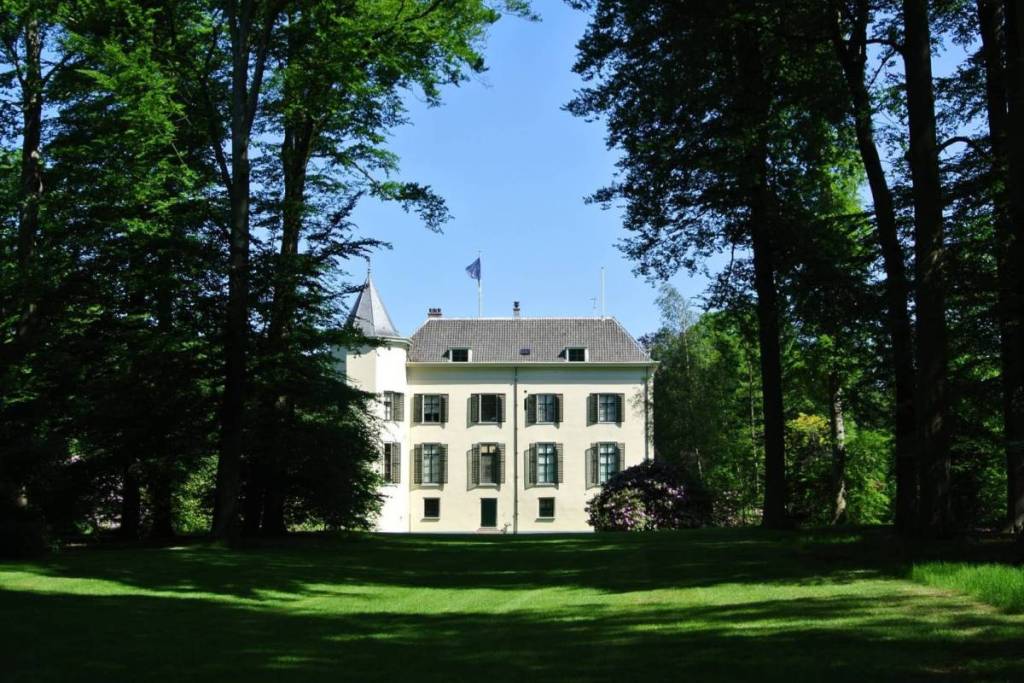
The estate surrounding Huis Doorn has hardly changed since the emperor’s death. Surrounding the house is the Auguste Victoria Garten, a classic rose garden that Wilhelm II had built for his late wife.
What’s striking about this estate is how quickly the atmosphere changes the moment you walk out the gate. The grounds border directly on Utrechtse Heuvelrug National Park. Within a few steps, you leave the manicured imperial rose garden behind and enter the dense forests and heathlands of the Heuvelrug.