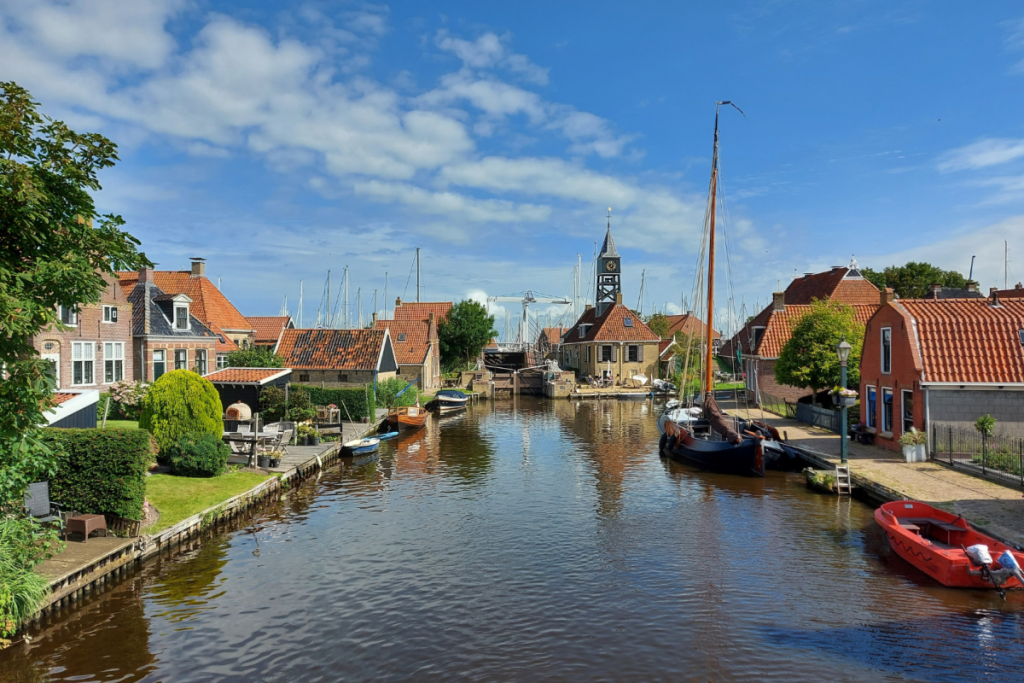

Tucked away behind the seawall of the IJsselmeer lies Hindeloopen, a tiny town where time seems to have stood still. With narrow canals, historic locks, and centuries-old captains’ houses , a stroll here feels like a journey back to the 18th century.
Due to centuries of isolation, the community developed a rich cultural heritage featuring a dialect all its own, world-famous folk art, and a fascinating clothing tradition brimming with hidden symbols of love.
The uniqueness of this heritage is also evident from the international HomeToGo Hidden Gem Index, in which the town was selected as the only Dutch destination in the European top rankings.
The unique Hindelooper clothing tradition
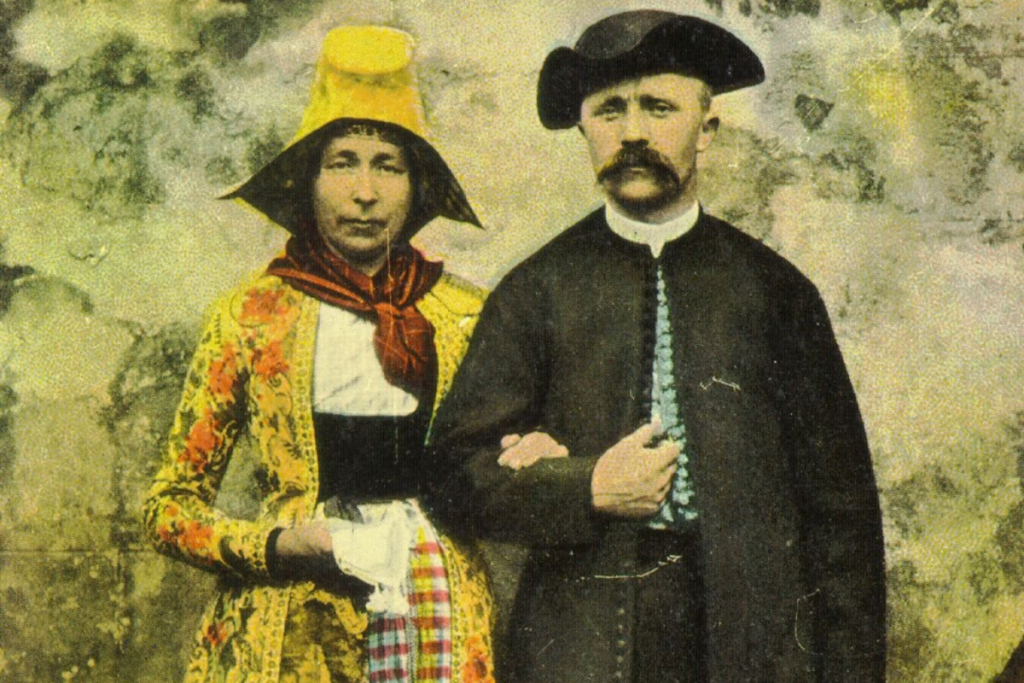
While clothing in 18th-century Netherlands was austere, Hindeloopen stood out with an explosion of color. Sailors brought back precious chintz from their trading voyages: hand-painted Indian cotton fabrics that formed the basis of this unique traditional attire.
The clothing also served as an ingenious visual language. From the colors, the lace bonnet, and the motifs on the neckerchief, the community could immediately tell whether a woman was single, married, or in mourning. This vibrant means of communication is still considered the quintessential icon of the local heritage.
Centuries-old folk art and a unique dialect
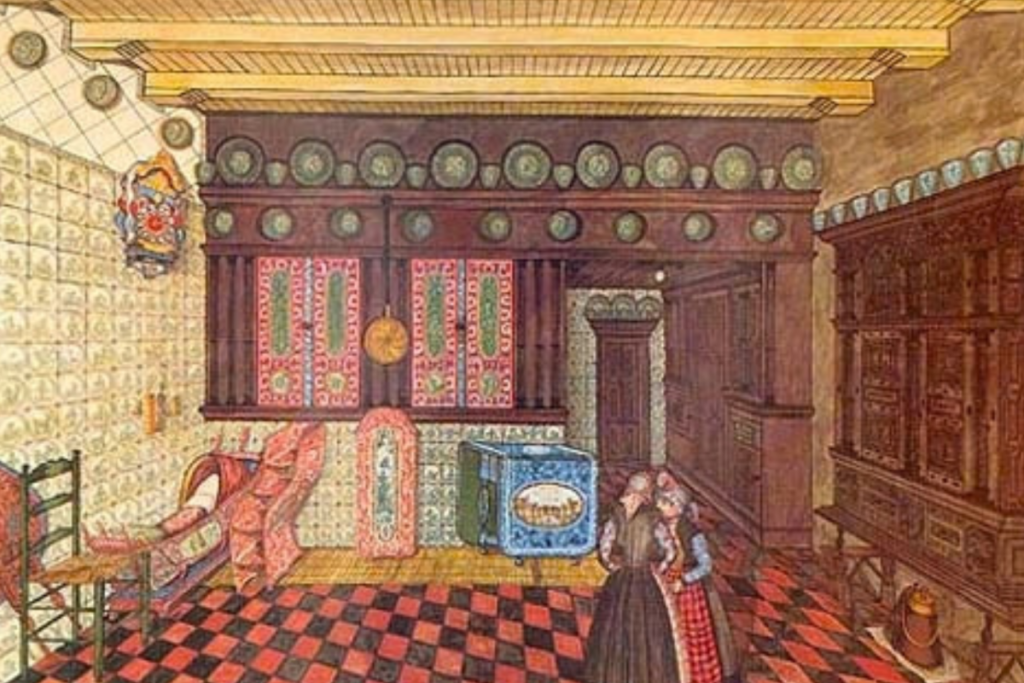
In addition to the clothing, the centuries-old isolation gave rise to two more cultural treasures. The population developed “Hylpers”: a rare dialect with preserved medieval sounds, which is barely understandable even to Frisians.
At the same time, the world-famous Hindelooper painting style emerged. With its characteristic curls, floral motifs, and warm colors, it was used to decorate not only furniture and box beds but also ship cabins. In the nineteenth century, this artisanal folk art even gained international recognition at the World’s Fair in Paris.
Captains’ houses, likhûzen, and historic canals
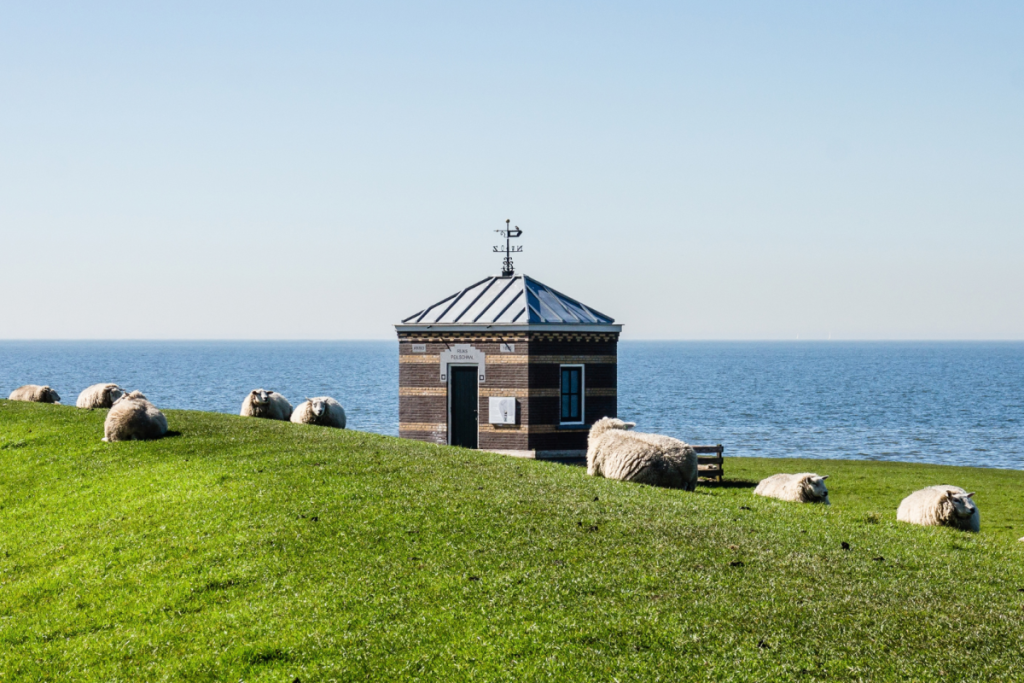
Anyone strolling through the protected townscape can feel the rich maritime history in every detail. Narrow cobblestone alleys, idyllic wooden bridges, and historic captains’ houses along the waterfront serve as reminders of the heyday of Baltic Sea trade.
Particularly noteworthy are the characteristic “likhûzen”: small summer cottages on the dike behind the houses. This is where the captain’s family stayed while he was at sea. Together with the manually operated lock and the historic Sylhús (the old lock house with its famous “lie bench”), the townscape forms a living open-air museum on the IJsselmeer.