
From the historic quays in Enkhuizen to the fairy-tale trail of old fishing villages: The Netherlands boasts countless iconic waterways, but there is only one place where a raging sea transformed into a mirror-smooth freshwater lake in barely two years.
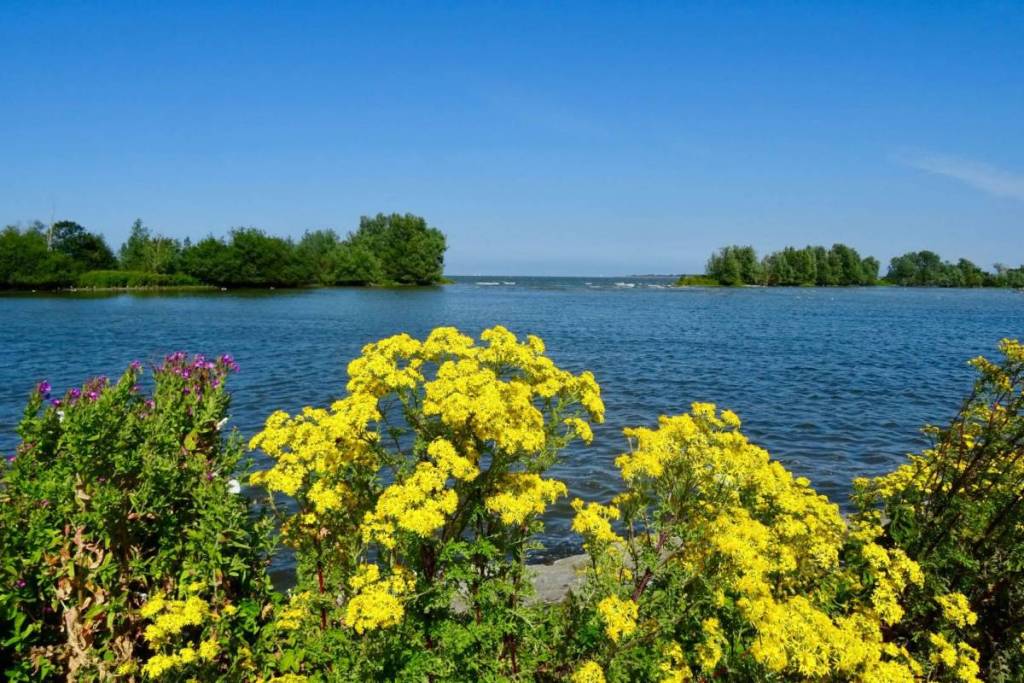
About an hour’s drive from Amsterdam lies the IJsselmeer, a 1,100 km² body of water that is considered the largest lake in the Netherlands. But the real surprise lies both beneath and on the surface.
From a raging saltwater sea to a freshwater giant in two years
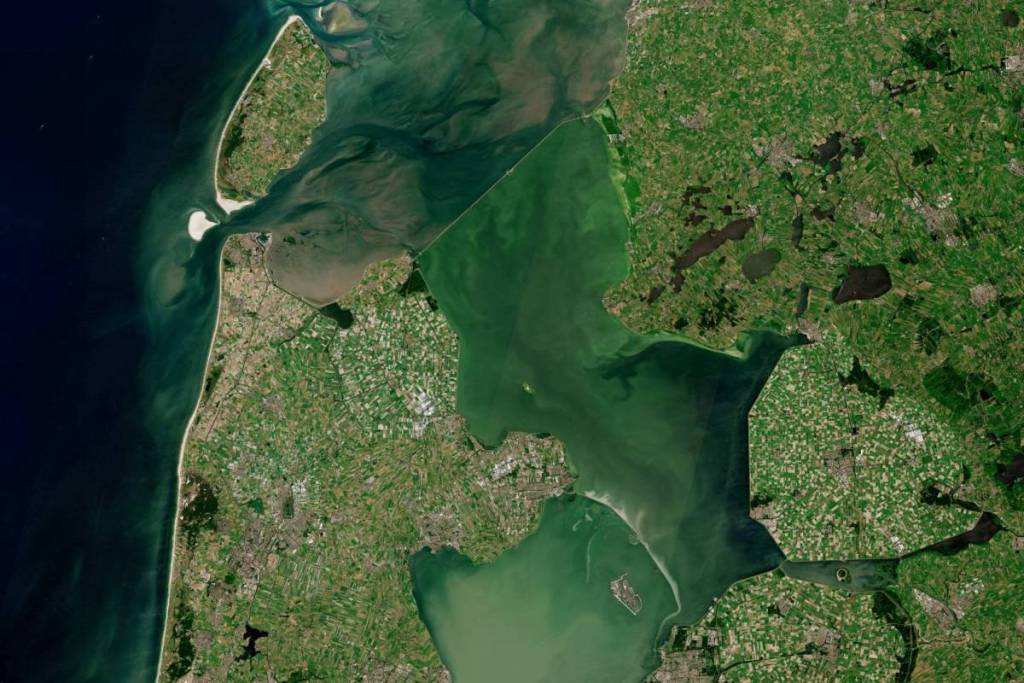
With the completion of the 32-kilometer-long Afsluitdijk in 1932, the wild Zuiderzee came to an abrupt end. What had been a salty, dangerous sea for centuries changed at a breakneck pace due to the constant inflow of the IJssel River. Within just two years, the saltwater transformed into a mirror-smooth freshwater lake.
This lightning-fast freshwater conversion completely upended the underwater world. Saltwater fish and porpoises gave way to freshwater species, creating the Netherlands’ largest drinking water reservoir in no time.
Sunken villages, shipwrecks, and islands that have become attached to the mainland
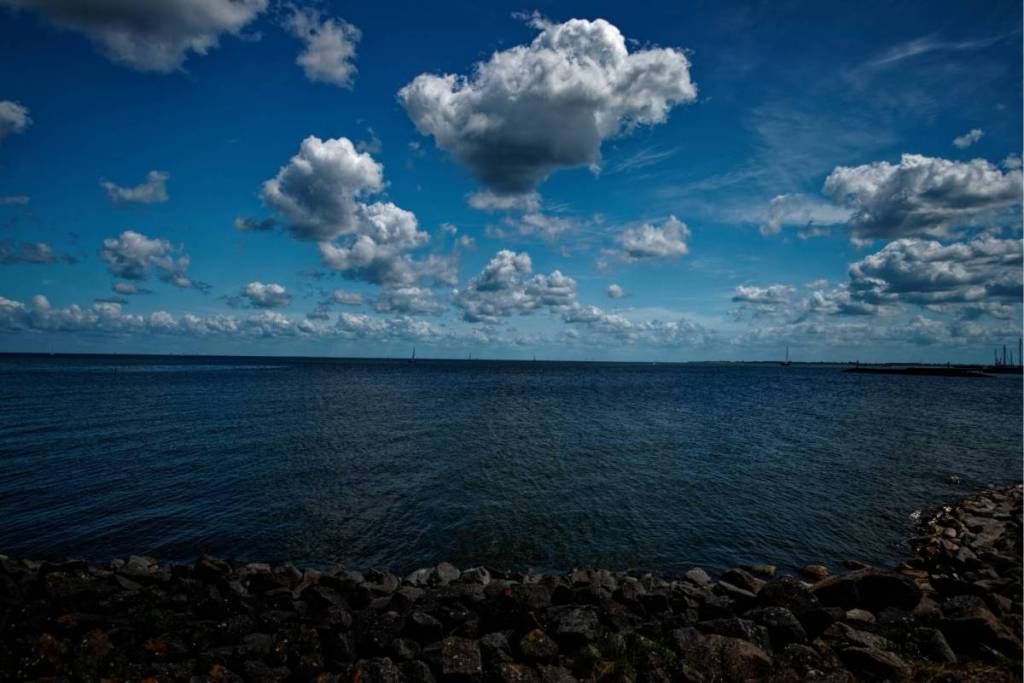
Beneath the mirror-smooth surface of the IJsselmeer lies a fascinating, sunken world. For centuries, the raging sea took its toll by swallowing up entire villages, polders, and farmlands. Because the old inland sea was extremely shallow and treacherous, the seabed also became one of the largest ship graveyards in the world.
The final completion of the dike turned the region upside down. Islands such as Urk and Schokland lost their centuries-old, isolated location in the open sea and, through subsequent land reclamation, became permanently connected to the mainland.
New wilderness on artificially reclaimed nature islands
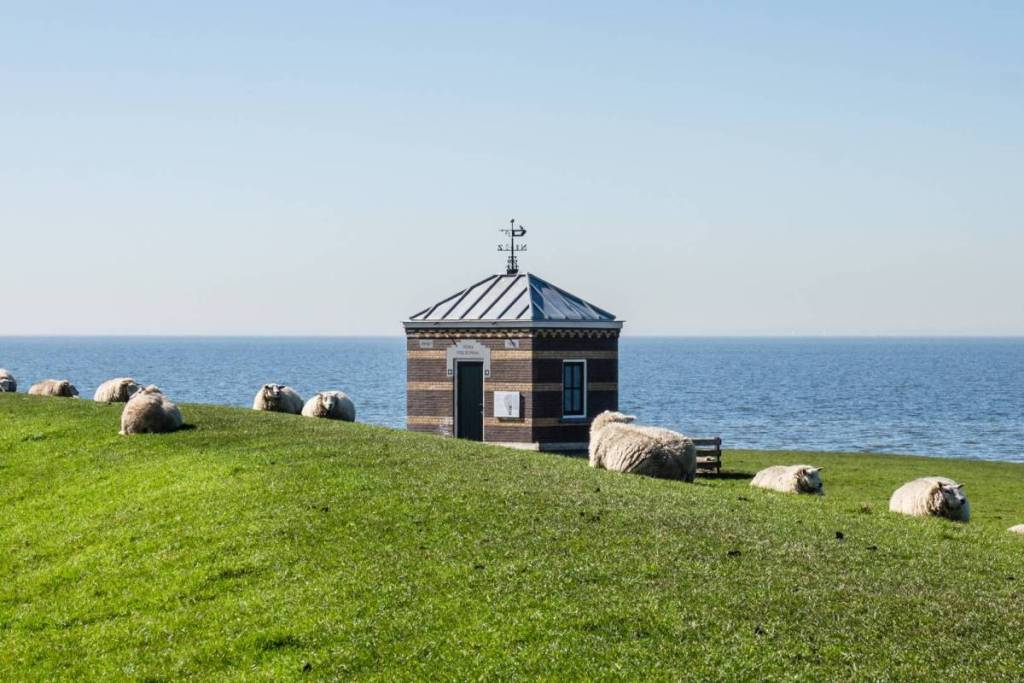
Although its sister lake, the Markermeer, is known for the Marker Wadden, the IJsselmeer itself also has its own unique archipelago. With the construction of the specially reclaimed bird island De Kreupel and the new nature island near Kornwerderzand , brand-new wilderness emerged from the seabed. These reclaimed oases serve as a crucial breeding ground for rare waterbirds and fish.
In addition, the brand-new fish migration channel near the Afsluitdijk ensures that migratory fish such as eel and salmon can finally travel safely between saltwater and freshwater again. The result is a modern, protected nature reserve right in the heart of our country.