
Today, the Duinrell Estate is known as the ultimate park for a day out with children. Yet the estate began in 1682 as the strictly secluded country retreat of the noble Van Zuylen van Nijevelt family. Behind the modern roller coasters and water slides lies a history of groundbreaking experiments, demolished heritage, and a multimillion-dollar loss on the rails.
The Lost Castle on an Aristocratic Estate
In 1682, an imposing country house was built on the estate for the noble Van Zuylen van Nijevelt family. For centuries, the grounds remained a strictly secluded private domain, where the residents lived in peace and kept the natural beauty to themselves.
That changed abruptly on April 19, 1935. Count Philip van Zuylen van Nijevelt, who at the time was also a chamberlain to Queen Wilhelmina, decided to open the gates of the historic country estate to the public.
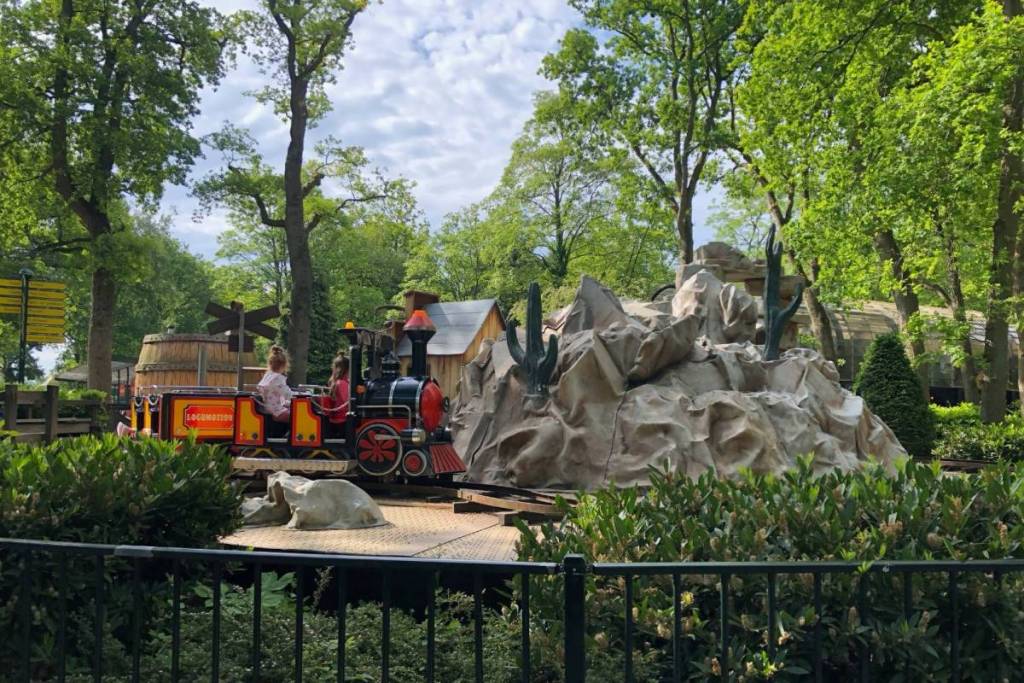
After Philip’s tragic death in May 1940, his son Hugo took the reins following World War II. Despite fierce opposition from the neighborhood, Hugo gradually transformed the aristocratic country estate into a popular amusement park.
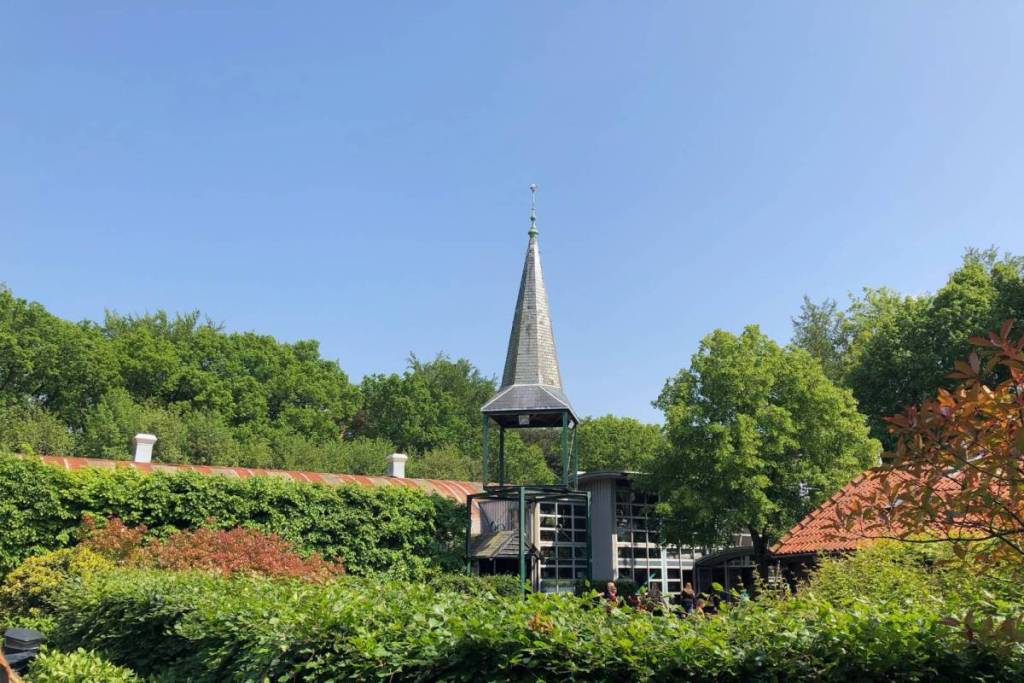
To make room for new attractions, a drastic decision was made in 1986: the seventeenth-century main building was demolished. Only the characteristic pointed turret was spared and moved as a relic to the Horse Stable on the grounds.
Skiing on pine needles and a two-million-ride roller coaster
During Duinrell’s early years, the management did not shy away from remarkable experiments. Starting in 1936, the very first motocross event in the Netherlands took place here. Shortly thereafter, a unique ski run was built where visitors whizzed down over pine needles and piassava brushes. This pioneering run ultimately remained in operation until 2005.
Not every idea was a success. The most notorious fiasco was the Batflyer from 1997, a suspended roller coaster with bat-shaped cars. The technology constantly malfunctioned, and the manufacturer went bankrupt. Because the attraction could never meet the strictest safety requirements, it never opened to visitors for a single day. The result was a financial loss of over two million guilders.
From a single indoor slide to the largest water park in the Benelux
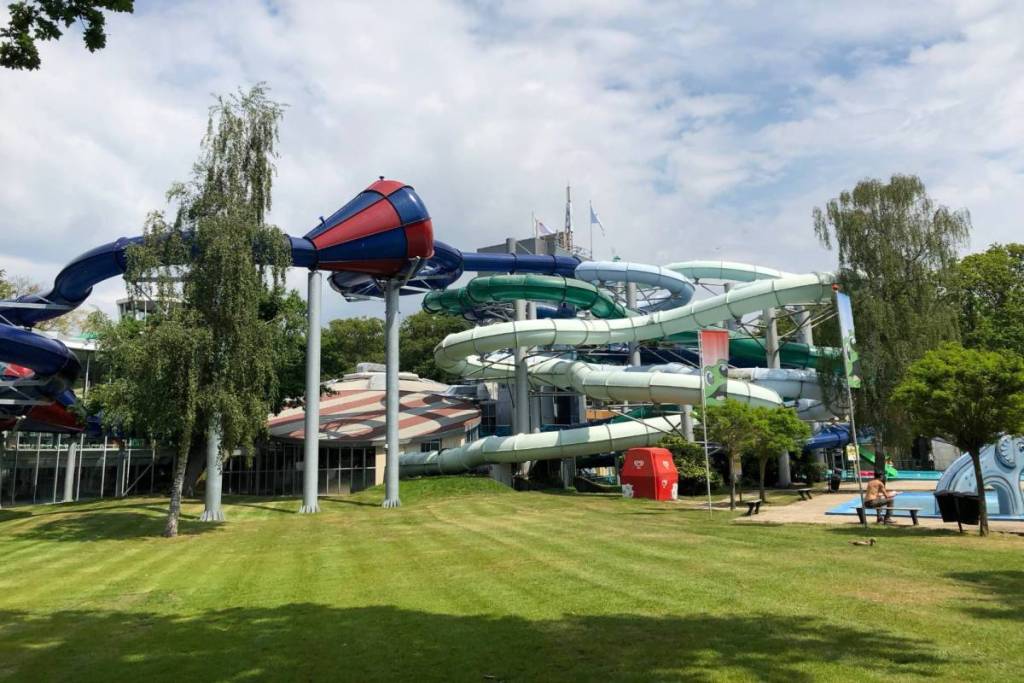
With the opening of the Tikibad in 1984, management made a strategic masterstroke. What began with a few indoor slides grew into the largest water park in the Benelux, now featuring 21 slides and over one and a half kilometers of sliding fun. This indoor expansion made the location less dependent on the Dutch weather.
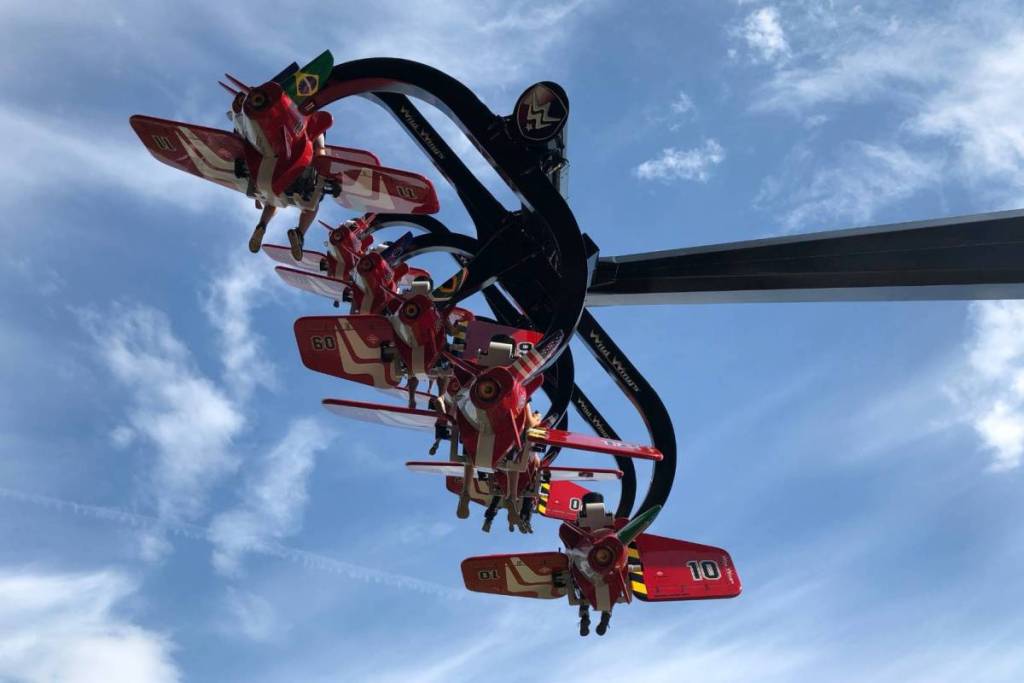
Parallel to the water park, the amusement park itself continued to expand at full speed. The addition of modern roller coasters, family attractions, and a larger vacation park permanently transformed the old estate into a full-fledged theme park. The water park and the amusement park reinforced each other, causing the historic location to grow into one of the country’s most visited leisure destinations.