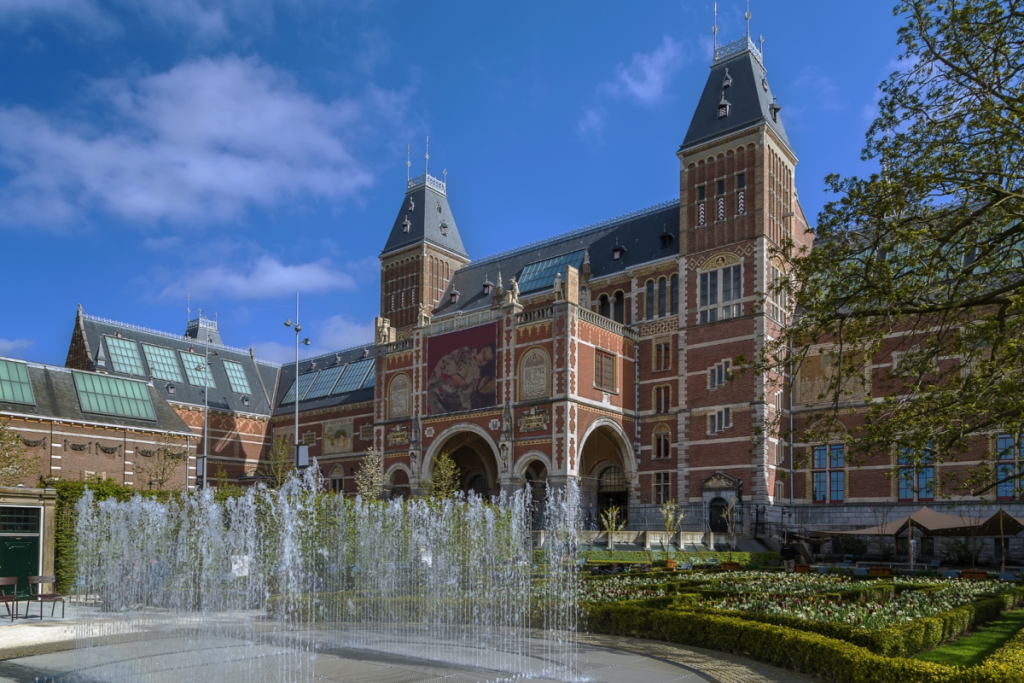

On May 31, 1800, the predecessor to the Rijksmuseum opened its doors. There was no *Night Watch* on display, not a single Amsterdam canal house in sight, and the entire collection consisted of just 200 paintings and curiosities. The birthplace of our national treasure trove was not in the capital, but at Huis ten Bosch Palace in The Hague.
It turned out to be the starting point for a remarkable journey. Via the Royal Palace on Dam Square and a cramped townhouse in the Red Light District, the country’s most famous art collection eventually ended up where 2.7 million visitors know it today.
A start in The Hague with 200 works
When the National Art Gallery opened in 1800 at Huis ten Bosch Palace, its primary goal was to inspire national pride. The first director, art dealer Cornelis Sebille Roos, had to make do with a modest selection from old stadtholder collections.
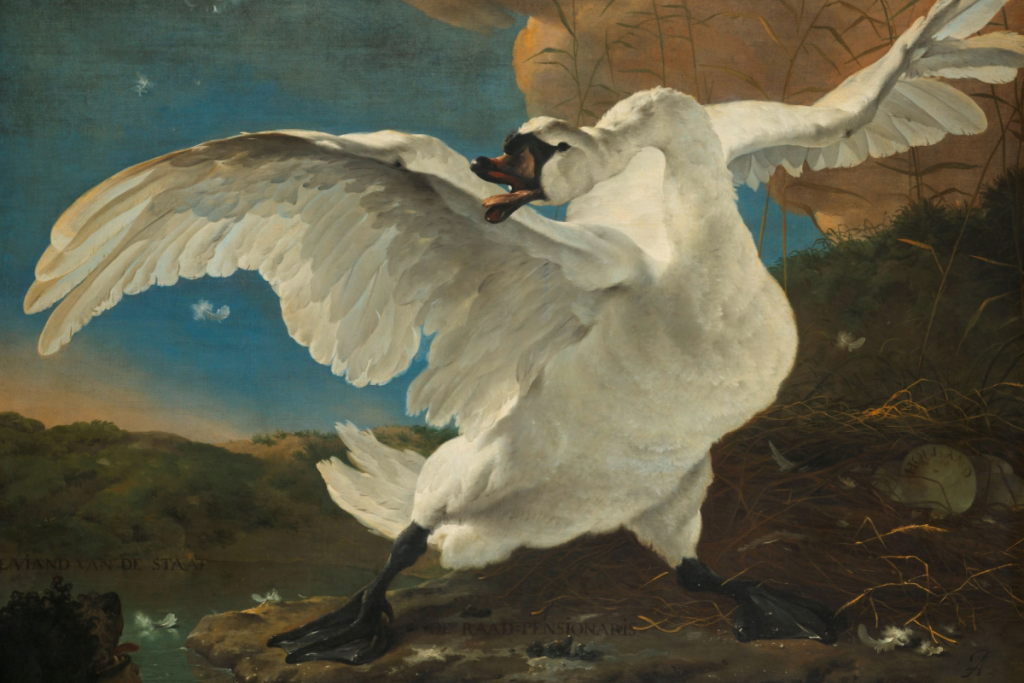
Yet he immediately made a historic acquisition. For exactly 100 guilders, he bought *The Endangered Swan* by Jan Asselijn. It became the very first masterpiece purchased by the state and is still considered one of the greatest crowd-drawers.
Louis Napoleon Brings the Art to Dam Square
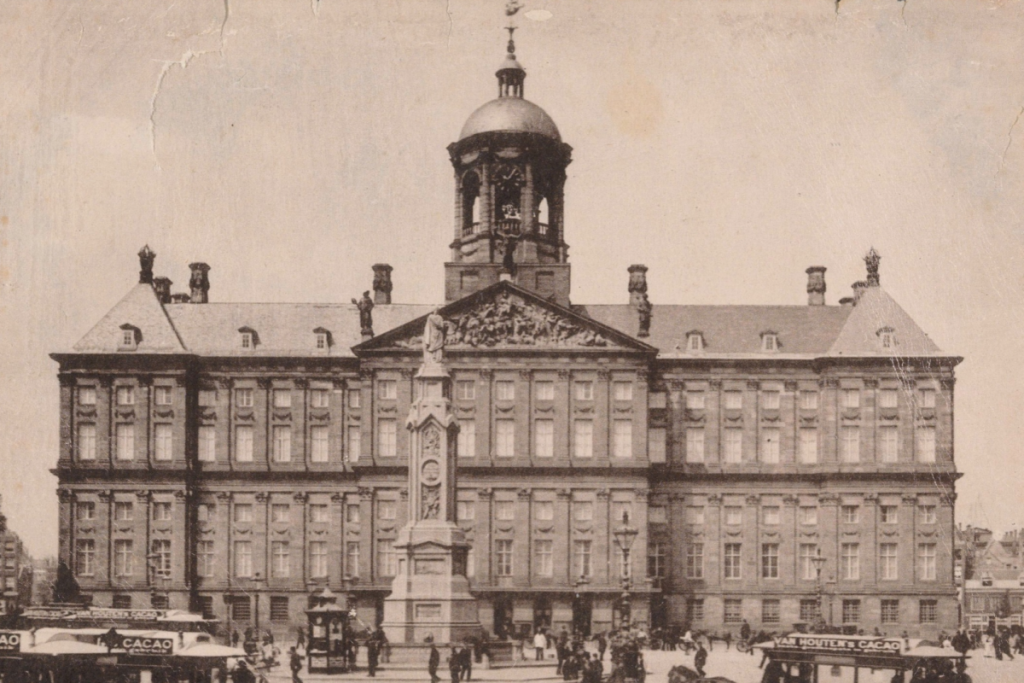
In 1808, the fate of the national art collection changed dramatically. King Louis Napoleon decided to move the capital to Amsterdam and demanded that the treasures be moved along with it. Under the name Royal Museum, the collection moved to the top floor of the Palace on Dam Square.
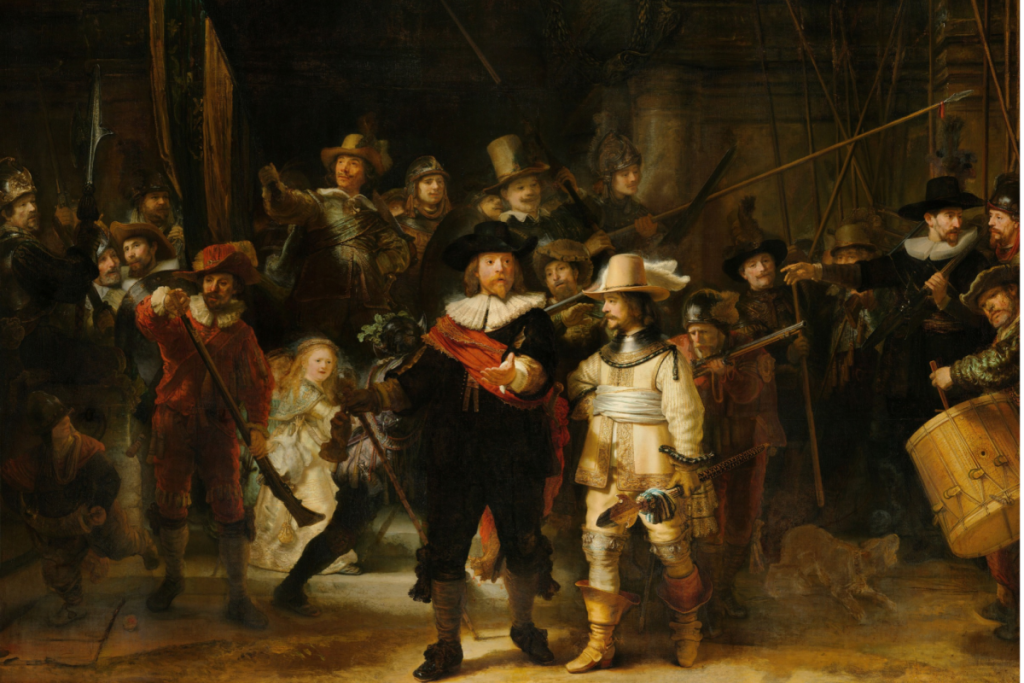
This move led to a crucial merger. The pieces from The Hague were combined on Dam Square with Amsterdam’s most important urban paintings. For the first time, the state gained access to world-famous masterpieces, including Rembrandt’s *The Night Watch*.
A crammed palace in the Red Light District
After Napoleon’s fall, the “Rijks Museum” moved to the Trippenhuis on Kloveniersburgwal in 1817. The 17th-century city palace soon became too small to accommodate the collection. Artworks were crammed from floor to ceiling. Due to a lack of space, historical artifacts were even moved to Leiden and The Hague.
Yet it was precisely here that the collection was enriched with priceless masterpieces. When banker Adriaan van der Hoop bequeathed his private collection of 224 paintings in 1854—including Rembrandt’s *The Jewish Bride*—the city of Amsterdam nearly refused to pay the tax. Only when wealthy citizens stepped in were the masterpieces preserved for the Netherlands.
A cathedral on the Museumplein
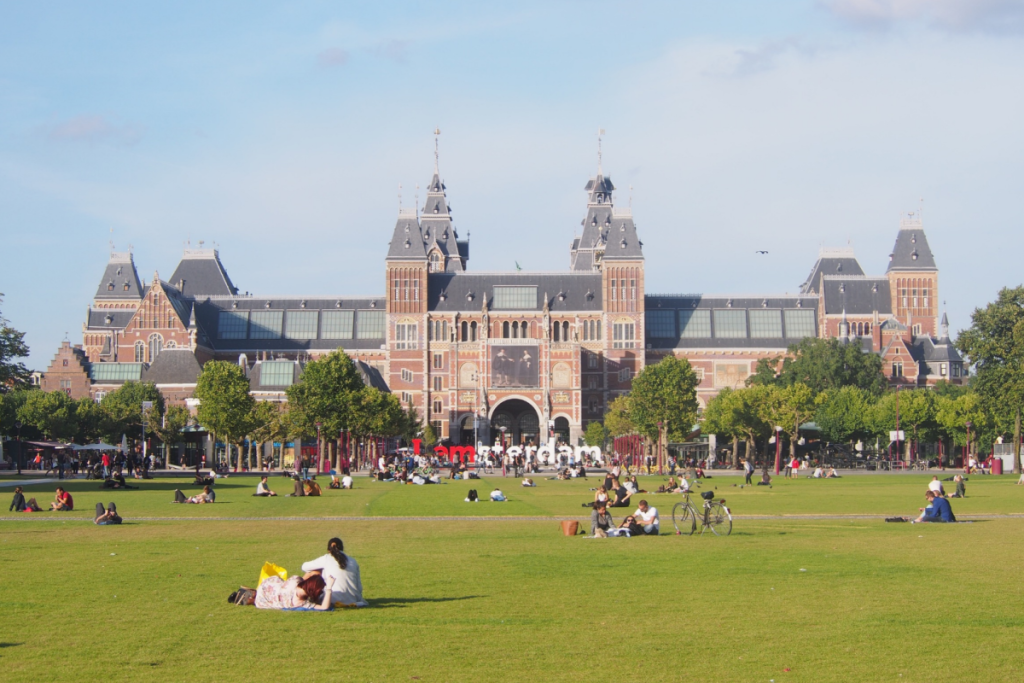
In 1885, the Netherlands finally got a true national museum building on the Museumplein. Architect Pierre Cuypers blended neo-Gothic elements with national symbolism to create a monumental “cathedral for art.”
The new building marked the beginning of a massive expansion. In addition to the paintings from the Trippenhuis, the Netherlands Museum of History and Art from The Hague and the modern masters from Haarlem also moved into the building. The national collection instantly transformed from an overcrowded painting gallery into a comprehensive overview of Dutch art and history.
From 200 pieces to 1 million treasures
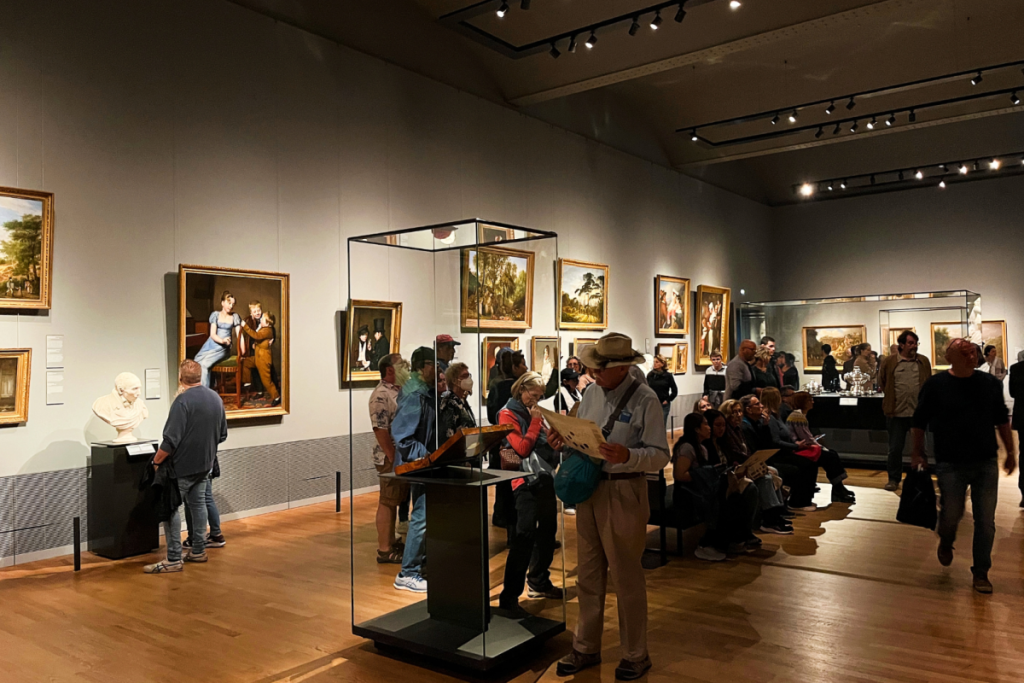
What began in 1800 as a modest collection of 200 pieces in The Hague has, more than two centuries later, grown into a collection of over 1 million objects. In the renovated building on Museumplein, some 8,000 works of art and historical treasures are on display daily, spread across 80 galleries.
From Rembrandt’s *The Night Watch* and Vermeer’s *The Little Street* to Vincent van Gogh’s famous *Self-Portrait*: these absolute masterpieces attract some 2.7 million visitors annually. Thus, a centuries-long journey came to an end at one of the world’s most popular museums.