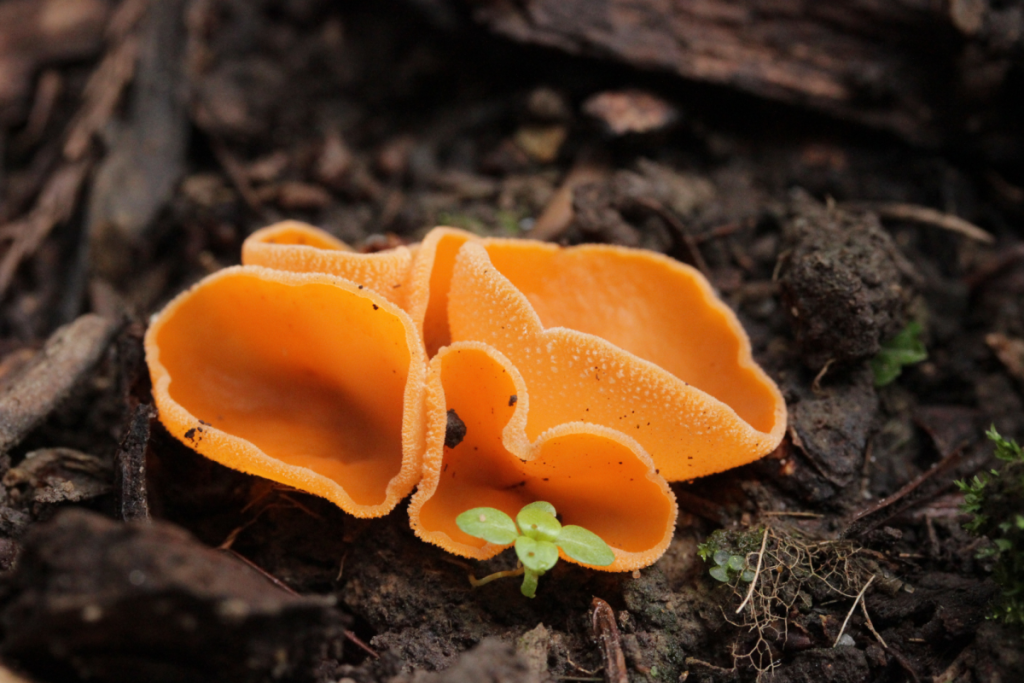

Travelers once feared the “Locus Paludosus”: the dangerous primeval marsh we now know as De Groote Peel National Park. Where a precious Roman treasure once vanished into the marshy peat, rare marsh birds and cranes now reign. Discover the enchanting tranquility on the border of Brabant and Limburg.
A buried treasure in the peat bog
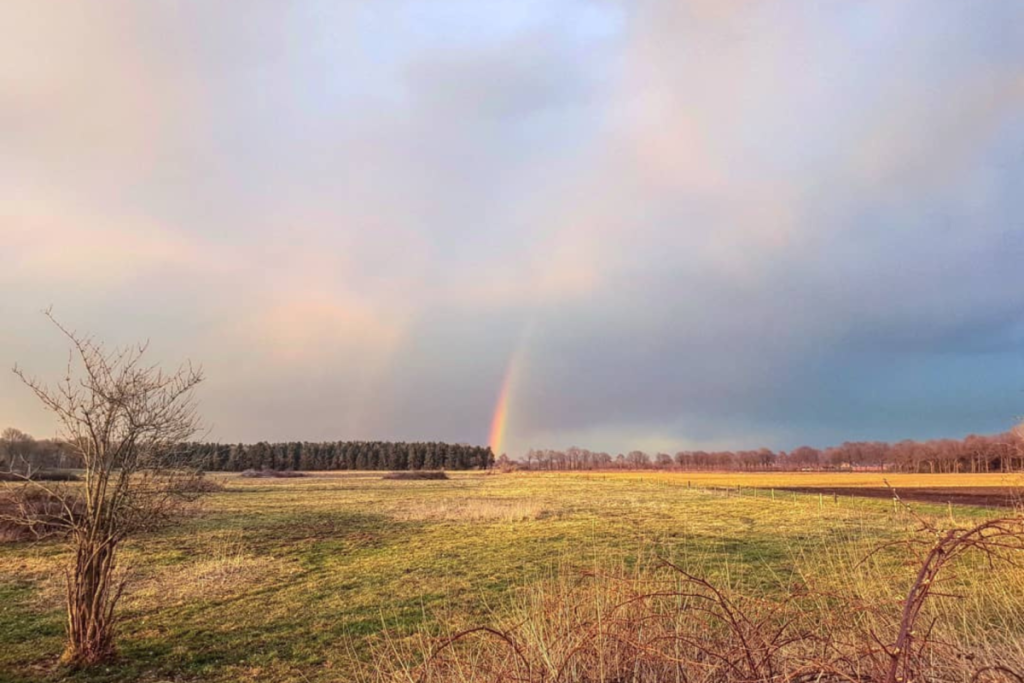
More than 10,000 years ago, a treacherous raised bog several meters thick formed here. It was not for nothing that the Romans called this rugged wilderness “Locus paludosus”: a dangerous, misty maze of marshy ponds where inattentive travelers could easily disappear.
Yet humans left their mark here. In 1910 , a local peat cutter made a spectacular discovery deep within the dark peat: a centuries-old, gilded silver Roman ceremonial helmet. For centuries, the excavated peat was the region’s “Black Gold, ” but you can still sense its layered history there today.
A sanctuary for rare marsh birds
Today, the marshy raised bogs and tranquil ponds form an internationally recognized wetland. The marsh is one of the most important breeding and resting areas in our country for shy marsh birds, including the bittern, the elusive little grebe, and the bluethroat.
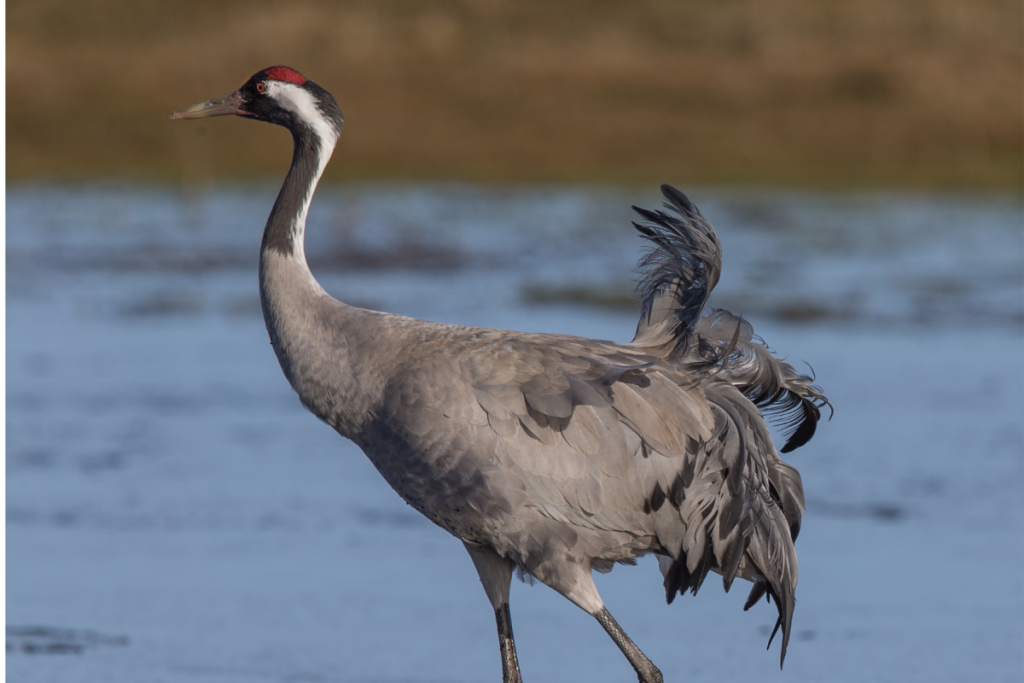
The real spectacle takes place during the fall migration. Thousands of cranes stop here to refuel during their long journey south. Together with rare carnivorous plants such as the round-leaved sundew, the area’s unique flora and fauna create a breathtaking wilderness.
A walk through the primeval marsh
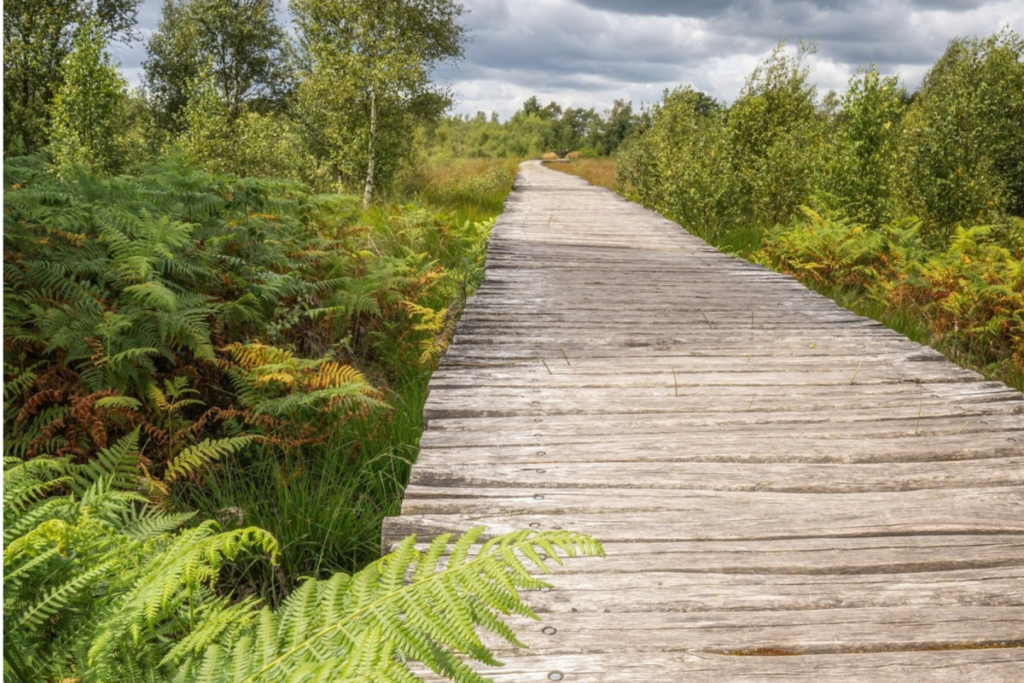
If you want to experience the silence of this ancient marsh for yourself, put on your hiking boots at Buitencentrum De Pelen. Winding trails lead you deep into the marshy area, where wooden planks andfloating boardwalks ensure you keep your feet dry on the sunken peat soil.
Because De Groote Peel is a vulnerable wildlife sanctuary, some areas are temporarily closed during the breeding season and the crane migration. This makes an autumn walk through the golden fields and misty bogs even more exclusive.