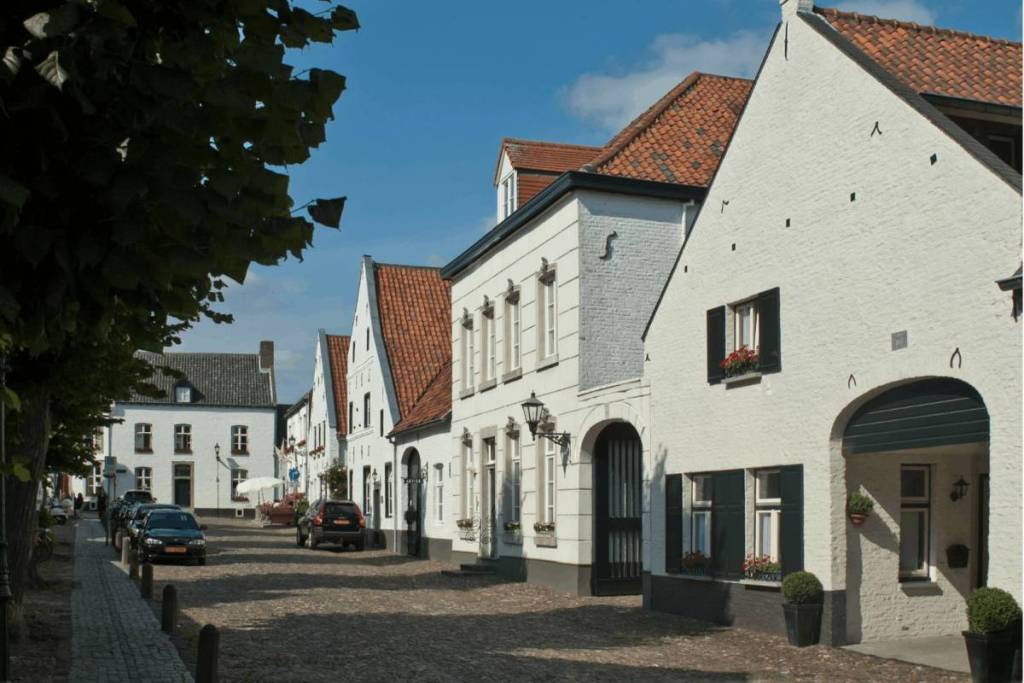

Limburg boasts countless historical gems, from the monumental city center of Maastricht to weathered castle ruins along the Meuse River. Yet there is one place in the province that bears no resemblance to the rest of the Netherlands.
A two-hour drive from Amsterdam lies Thorn, a former sovereign state that, with its cobblestone streets and snow-white facades, looks almost Mediterranean.
But appearances can be deceiving. For two centuries now, the fresh layer of lime has served to hide bricked-up windows: the direct result of a French invader and the sudden end of 800 years of noble matriarchy.
A sovereign matriarchy for 800 years
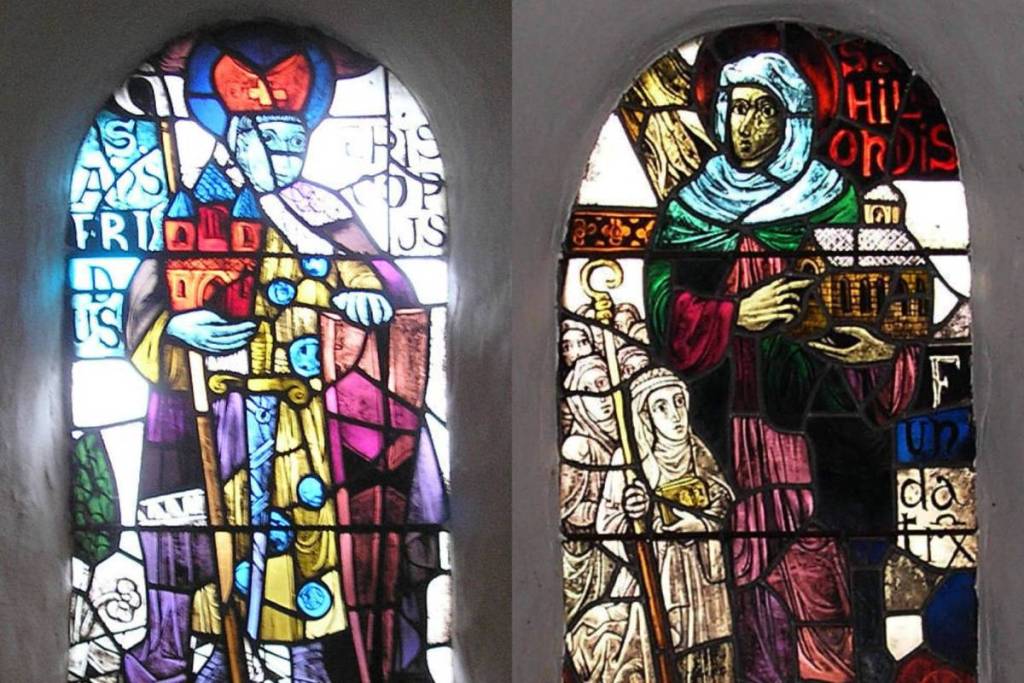
What looks today like an idyllic Limburg village began around the year 990 as a noble women’s convent. The religious center quickly grew into the smallest sovereign mini-principality within the Holy Roman Empire.
For centuries, 33 successive abbess-queens ruled here. The tiny kingdom was directly subordinate to the emperor, minted its own gold coins, and administered its own justice.
Only women from the very highest nobility were allowed to join the noble community. These ladies did not live in pious austerity but resided in stately mansions in the village center.
The French tax that turned the town white
When French revolutionary troops invaded in 1794, the noblewomen fled in haste. The end of the mini-principality immediately ushered in poverty.
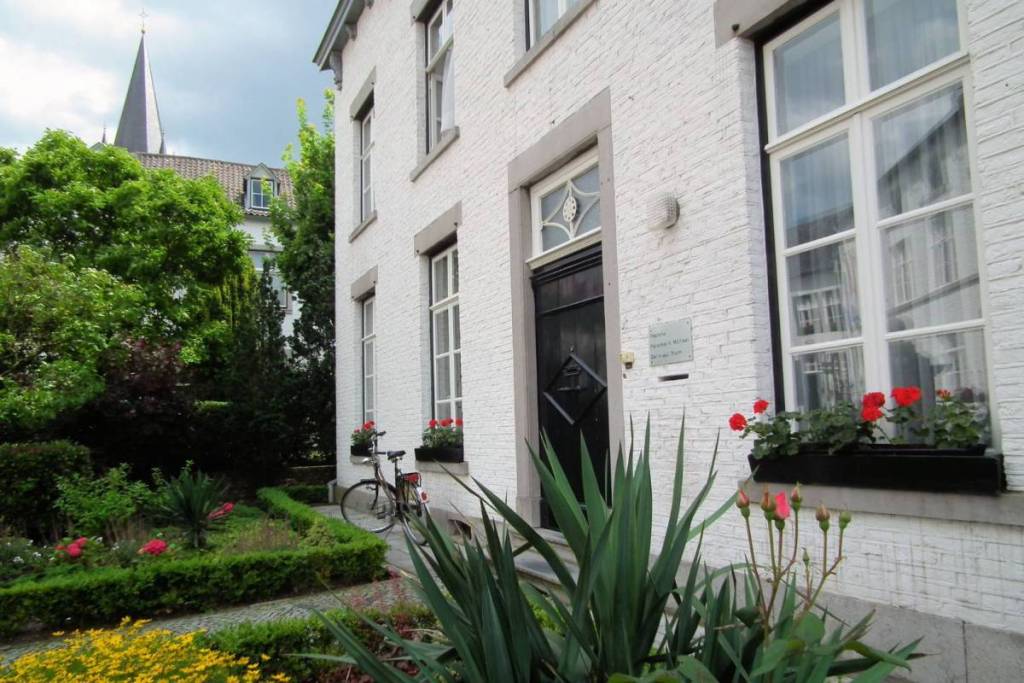
The new French rulers imposed a hated window tax: the larger the windows, the higher the tax. The villagers, who had moved into the spacious mansions, could not afford to pay it.
As a creative solution, they bricked up the windows and applied a thick layer of white lime to the facades to hide the traces.
An open-air historical museum
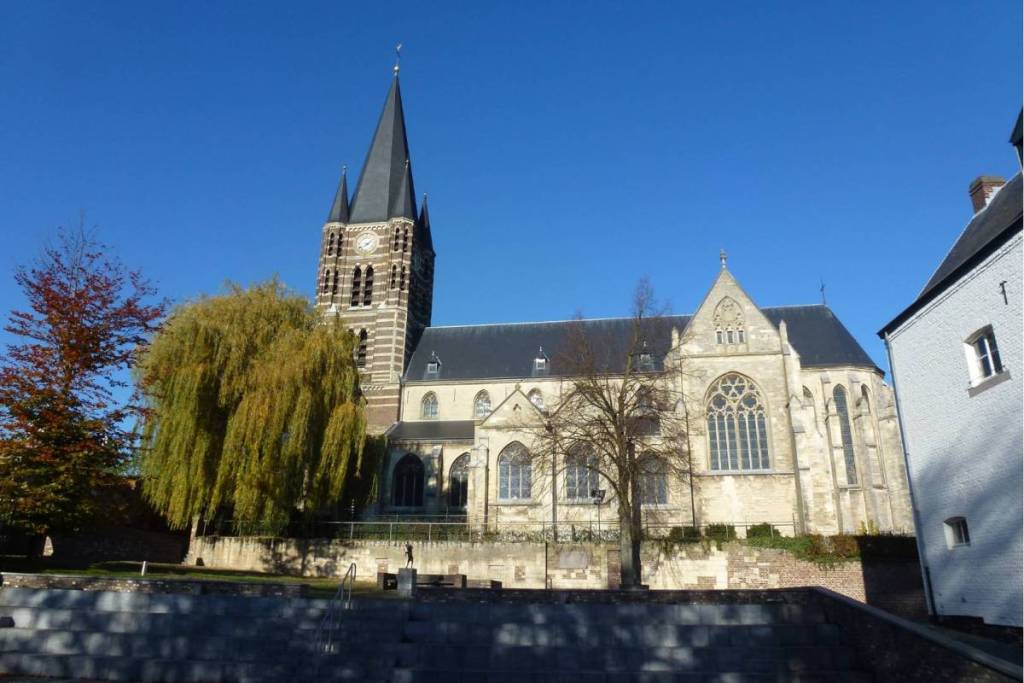
Anyone wandering through the cobblestone streets today steps into an open-air museum. Within the historic village center, the unique streetscape of cobblestones and whitewashed mansions has remained almost completely intact.
The absolute centerpiece of the historic village center is the imposing Abbey Church, a Gothic masterpiece that commemorates eight hundred years of noble power.
The former mini-principality is now a protected village landscape and one of the most photogenic national monuments in our country.