
The Netherlands is brimming with breathtaking religious heritage, from hidden attic churches to monumental cathedrals with towering spires. Although the terms are often used interchangeably, a cathedral is officially the main church of a diocese. In short: all cathedrals are churches, but not every church is a cathedral.
In this overview, you’ll find the country’s absolute gems. From the iconic monuments in the heart of Amsterdam to the most impressive churches and cathedrals scattered throughout the rest of the Netherlands.
St. Servatius Basilica (Maastricht)
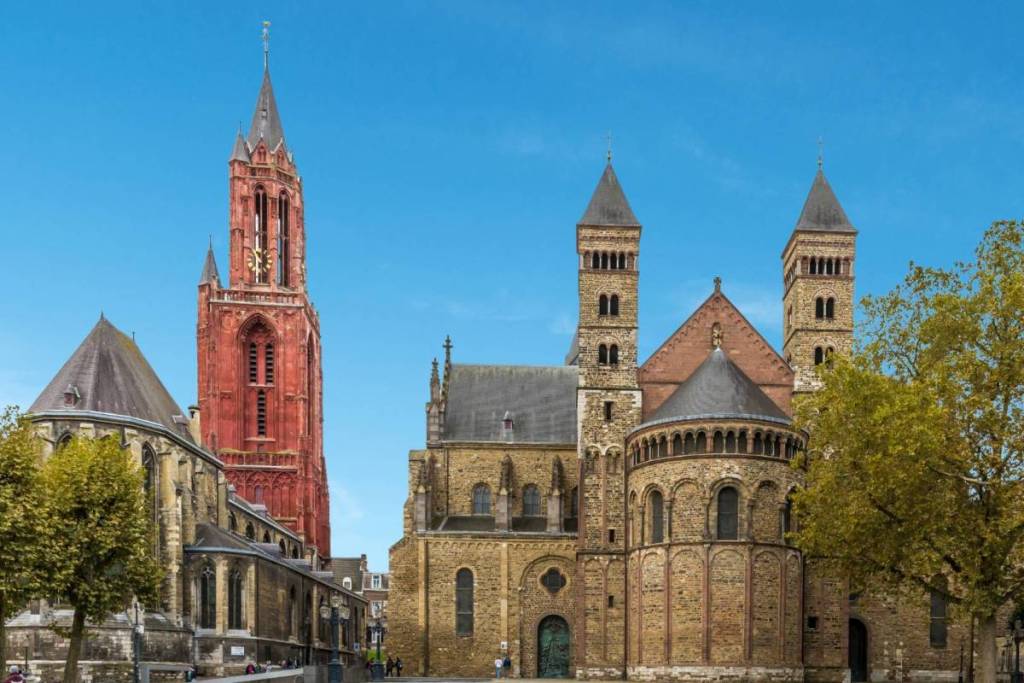
As the oldest surviving church in the Netherlands, the St. Servatius Basilica was built over the tomb of the country’s very first bishop. This monumental Romanesque cruciform basilica on the Vrijthof impresses with its rich history as a royal chapel. Inside, you’ll find the famous Shrine of Saint Servatius, a medieval masterpiece of goldsmithing that is one of the most valuable treasures in Dutch church history.
Oude Kerk (Amsterdam)
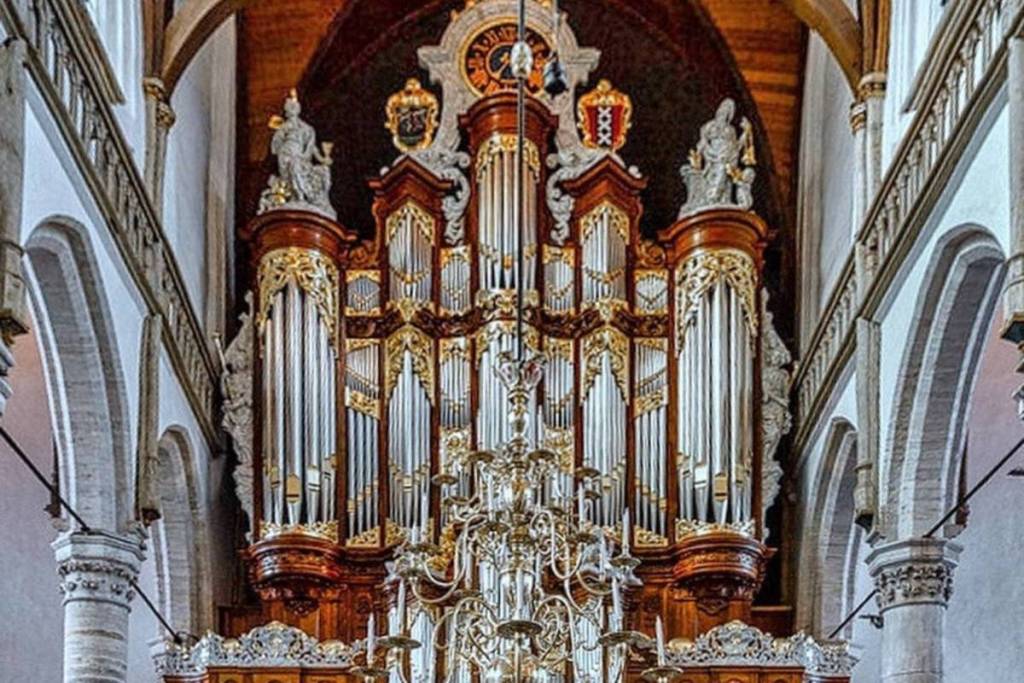
Amsterdam’s oldest building dates back to 1250 and is located in the heart of the iconic Red Light District. This medieval hall church survived several devastating city fires and is steeped in history; for example, Saskia van Uylenburgh, Rembrandt’s wife, is buried here. Today, this centuries-old national monument blends seamlessly into the neighborhood by serving as the backdrop for groundbreaking, contemporary art installations.
St. Bavo Church (Haarlem)
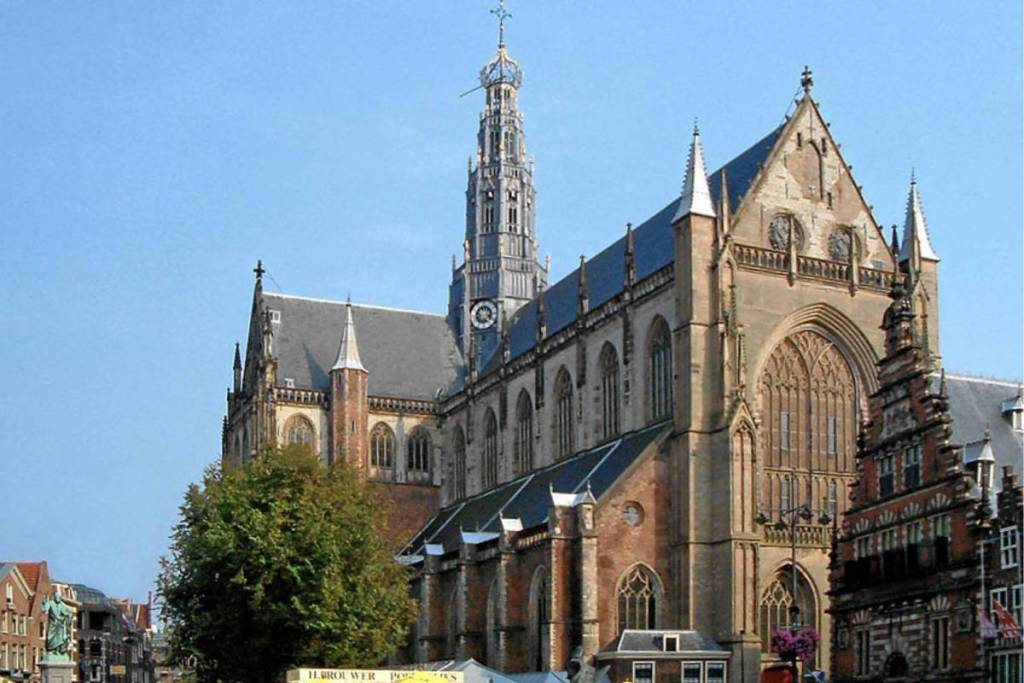
The iconic Grote of Sint-Bavokerk has dominated Haarlem’s skyline from the Grote Markt for centuries. This Gothic cruciform church is known worldwide for its monumental Christiaan Müller organ from 1738, one of the most important historical instruments in the world. Over the centuries, dozens of musical greats have traveled to this national monument to play the organ, including a ten-year-old Wolfgang Amadeus Mozart in 1766.
Zuiderkerk (Amsterdam)
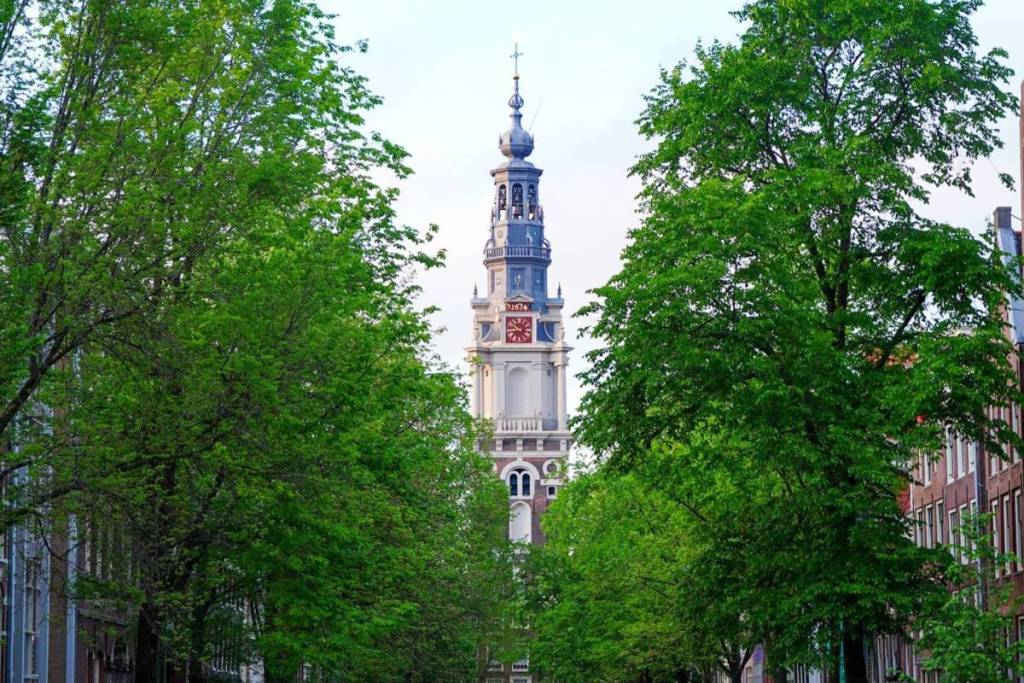
In the bustling Nieuwmarkt neighborhood stands the Zuiderkerk, the very first church in Amsterdam built specifically for Protestant worship. Designed by city architect Hendrick de Keyser in 1603, this monumental building has survived the centuries, transforming from a house of worship into a cultural gathering place. Did you know that master architect De Keyser is buried here himself, following his death in 1621?
Utrecht Cathedral (Utrecht)
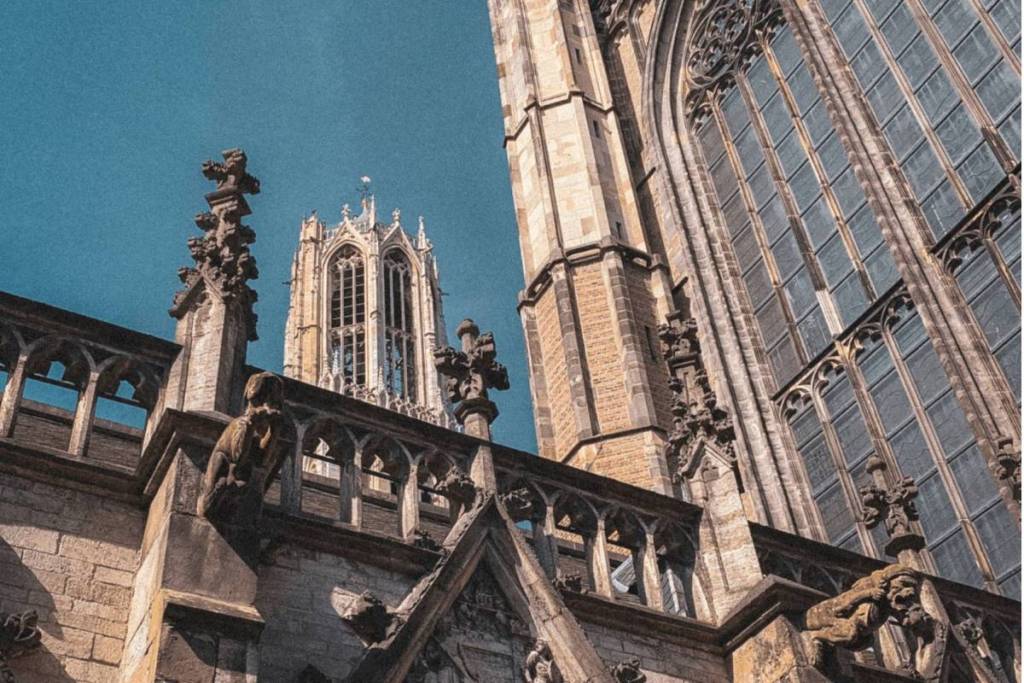
With a tower over 112 meters tall, Utrecht is home to the country’s tallest church tower. Construction of the Gothic Dom Church began in 1254, but it owes its unique appearance to a devastating storm in 1674. At that time, the unfinished nave collapsed, permanently separating the famous Dom Tower from the church building.
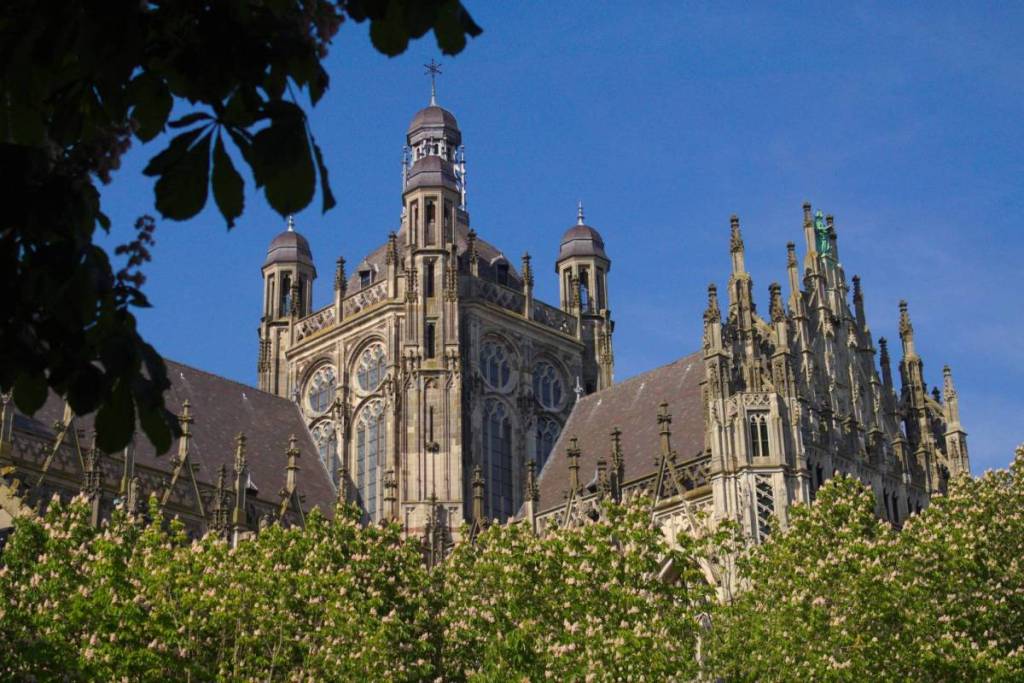
St. John’s Cathedral (‘s-Hertogenbosch)
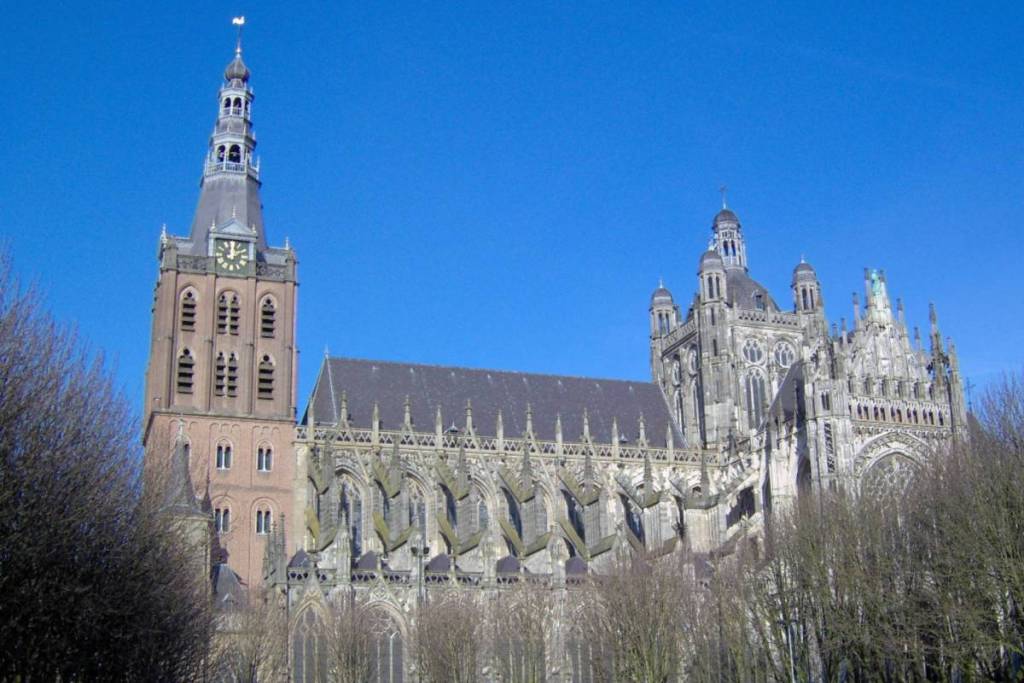
As the absolute highlight of Brabant Gothic architecture, St. John’s Cathedral impresses with its breathtaking wealth of detail. Outside, you’ll find a unique double row of flying buttresses featuring no fewer than 96 extraordinary flying buttress figures. Inside, a copper baptismal font from 1492 and one of the most beautiful Renaissance organ facades in the world shine brilliantly.
New Church (Delft)
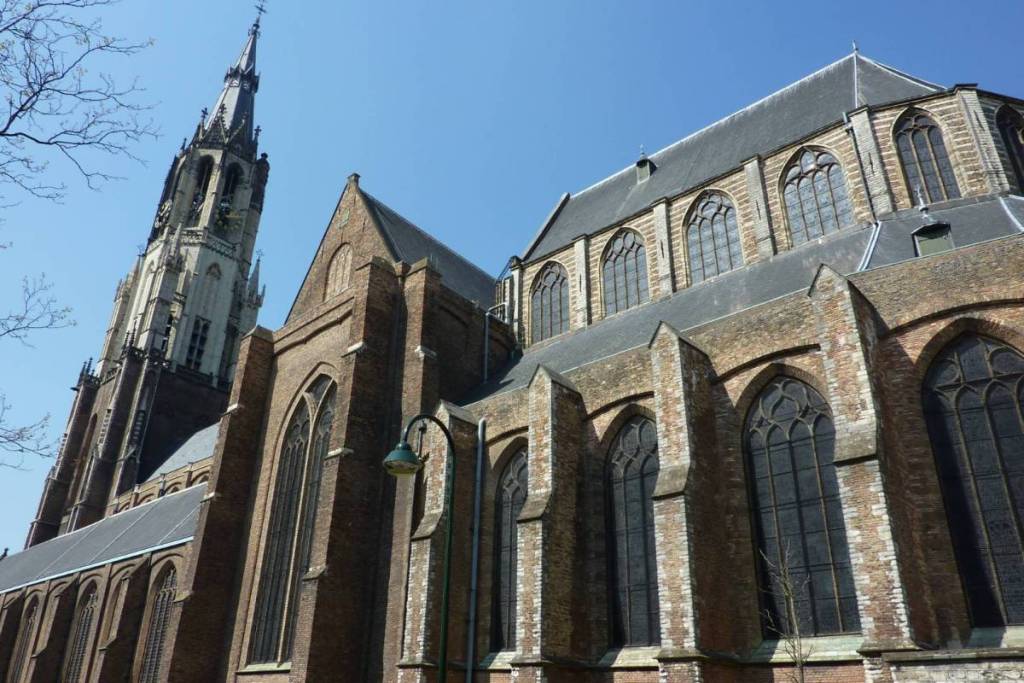
With its impressive tower standing over 108 meters tall, the Nieuwe Kerk in Delft boasts the second-tallest church tower in the Netherlands. The iconic structure is known worldwide for the mausoleum of William of Orange, beneath which lies the royal crypt of the House of Orange-Nassau. In addition, in the sixteenth century, the church tower served as the setting for scientist Simon Stevin’s famous drop test.
Grote Kerk (Breda)
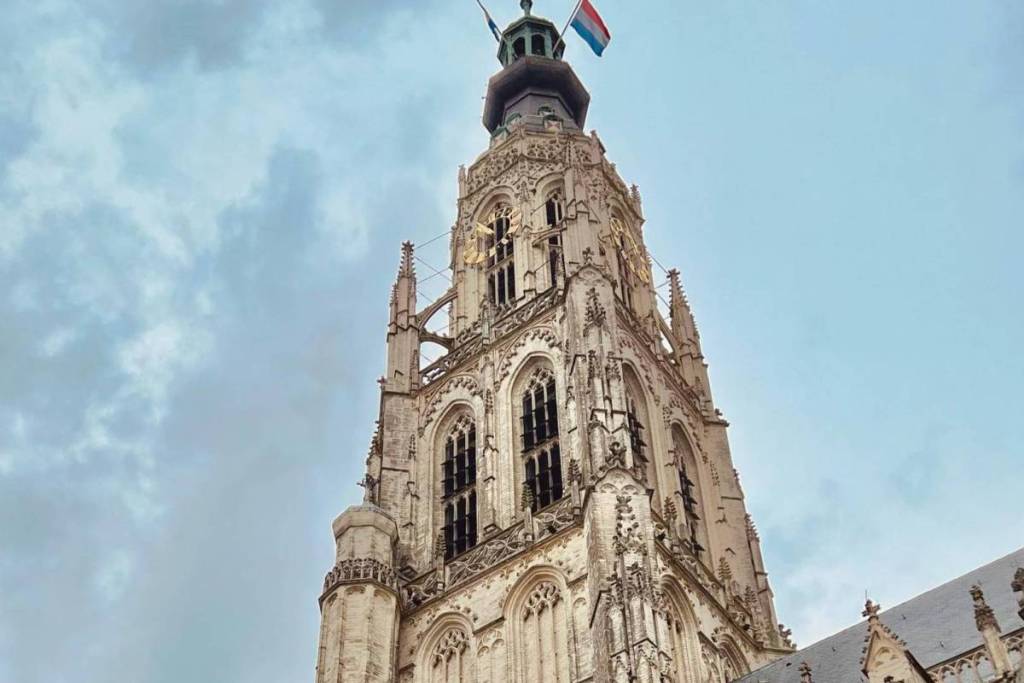
The Grote or Onze-Lieve-Vrouwekerk is considered one of the finest examples of Brabant Gothic architecture in the Netherlands. The 97-meter-tall tower dominates Breda’s skyline. A unique highlight is the Princes’ Chapel with its 16th-century vault paintings: this mausoleum houses the early ancestors of the House of Orange-Nassau, long before Delft became the royal resting place.
St. Nicholas Basilica (Amsterdam)
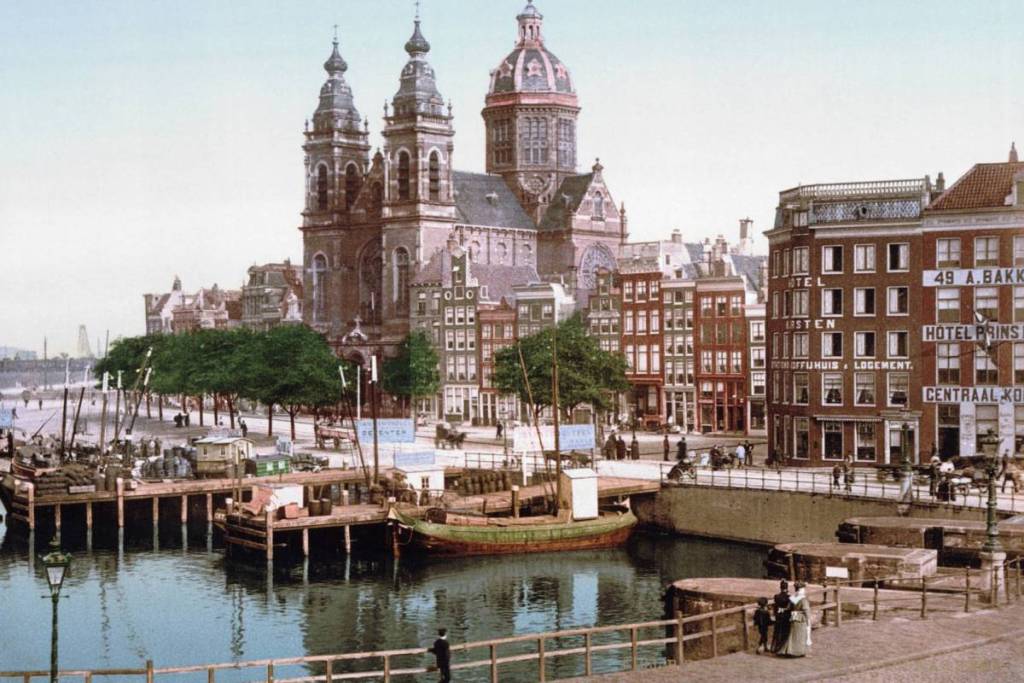
Since 2025, this Neo-Baroque landmark has officially been Amsterdam’s co-cathedral, a gift from Pope Francis to mark the city’s 750th anniversary. Located across from Central Station, this impressive monument from 1887 houses not only a historic Sauer organ but also a genuine relic of Saint Nicholas that was preserved for centuries in Egmond.
Our Lord in the Attic (Amsterdam)
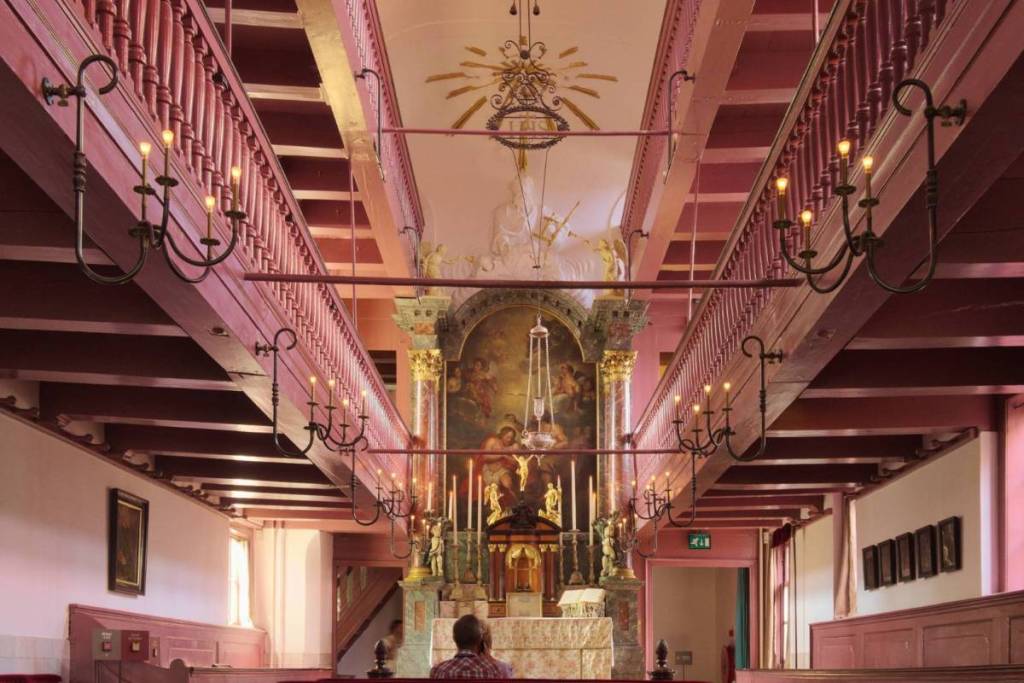
On the Oudezijds Voorburgwal lies one of the best-kept secrets from the seventeenth century. Behind the facade of a seemingly ordinary canal-side house lies a complete Catholic clandestine church in the attic. Built in 1663 when Catholicism was banned, this iconic national monument—with its original pink pews and Baroque altar—symbolizes Amsterdam’s centuries-old culture of tolerance.