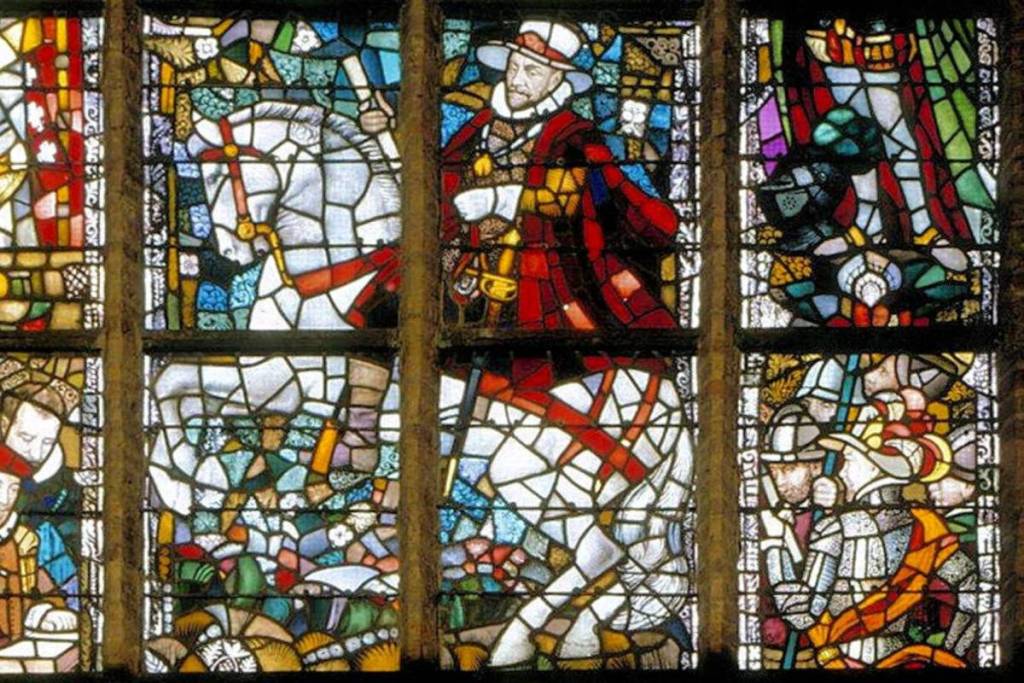

Hidden behind picturesque canals and centuries-old cobblestones, Delft’s city center feels like a step back in time. Less than 50 minutes from Amsterdam stands the Prinsenhof, a former monastery that, at first glance, exudes nothing but tranquility.
But behind these idyllic facades, a bloody showdown took place in the summer of 1584 that shocked the nation. A royal drama that not only reshaped the country’s destiny but also gave rise to a 440-year-old royal tradition.
The Murder That Made History

In the summer of 1584, a quiet monastery became the most notorious crime scene in Holland. William of Orange had made the St. Agatha Monastery—now known as the Prinsenhof—his headquarters. On July 10, 1584, tragedy struck when Balthasar Gerards shot the prince at close range.
The motive was a massive Spanish bounty on the prince’s head. As a result, this act is regarded worldwide as the very first political assassination of a head of state using a firearm. The fatal shots shocked the young republic, but inadvertently laid the foundation for a centuries-old royal tradition.
Why the royal family was forced to settle in Delft
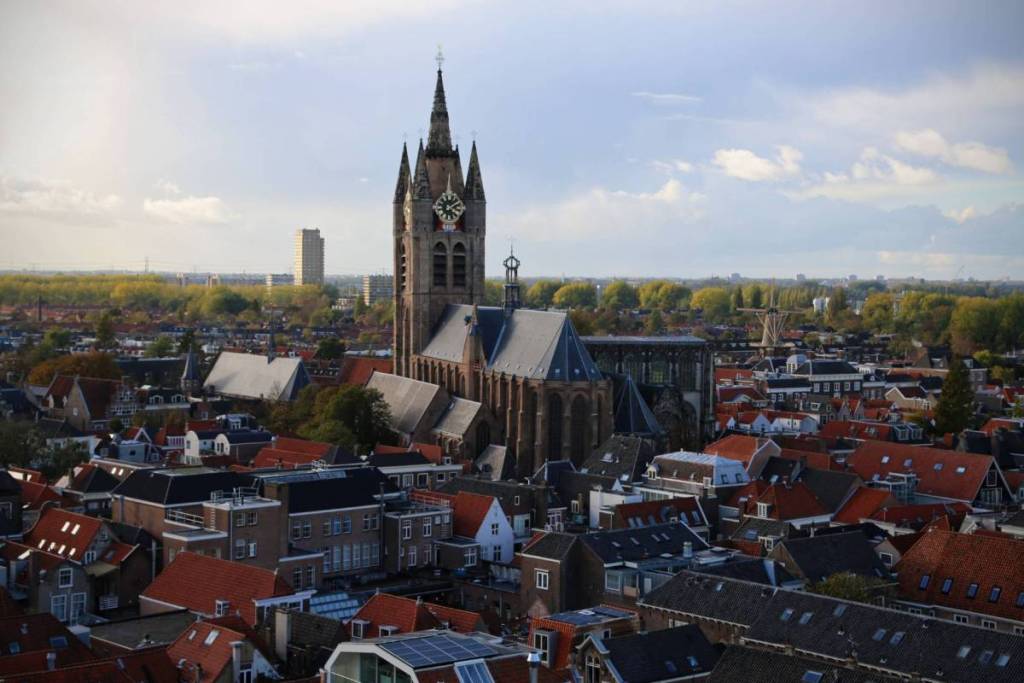
After the fatal shots fired at William of Orange, the country faced a major problem. According to family tradition, the prince was supposed to be laid to rest in Breda, the historic ancestral seat of the House of Nassau. In 1584, however, Breda was occupied by Spanish troops.
At that time, Delft was a secure, walled city that was already providing shelter to the prince. Out of necessity, he was laid to rest in the choir of the Nieuwe Kerk on the Markt. What began as a temporary refuge due to the war turned into a dynastic tradition that has linked the royal family to Delft for over 440 years.
The unique exception to the Dutch law of 1829
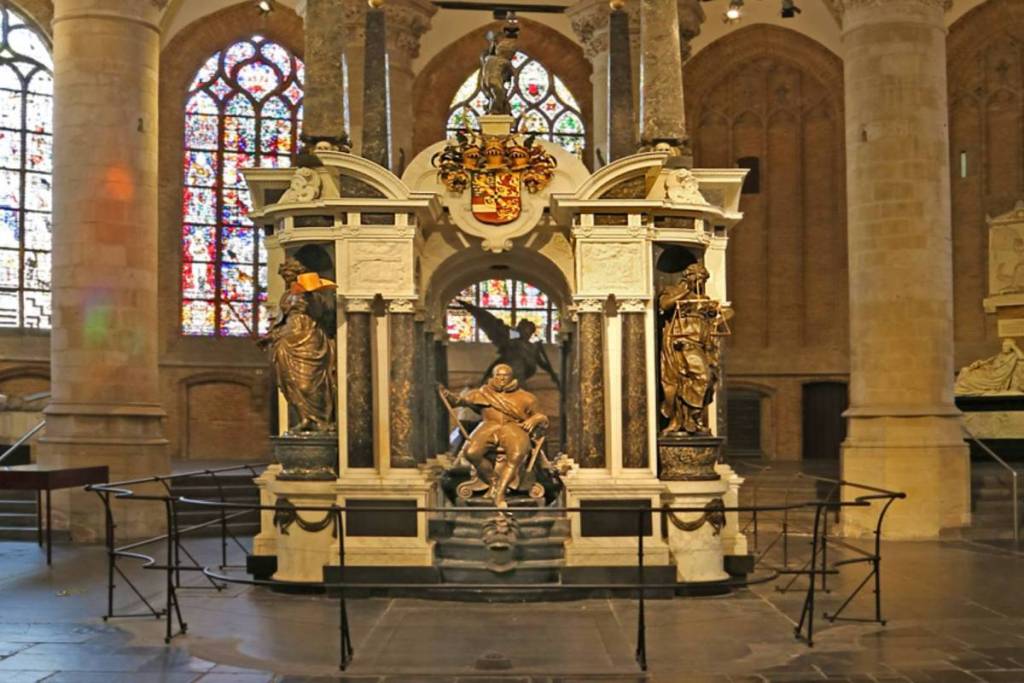
Since 1829 , a strict ban on burials in churches has been in effect in the Netherlands. For reasons of public health and hygiene, the interment of bodies in church buildings was prohibited nationwide. Yet this legislation has one unique exception: the royal crypts beneath the Nieuwe Kerk in Delft.
A legal exception was established specifically for the House of Orange. While ordinary citizens had to be buried outside the city walls, the royal family retained the right to their historic resting place. As a result, the crypt beneath Delft’s Markt is the only place in the Netherlands where this centuries-old custom is still permitted to this day.