
From the dune-sand ruins of Brederode to the underground escape tunnels of Valkenburg Castle and the iconic Leiden Castle: the Netherlands is full of impressive fortifications, but there is only one with such an eventful rebirth on the Rhine.
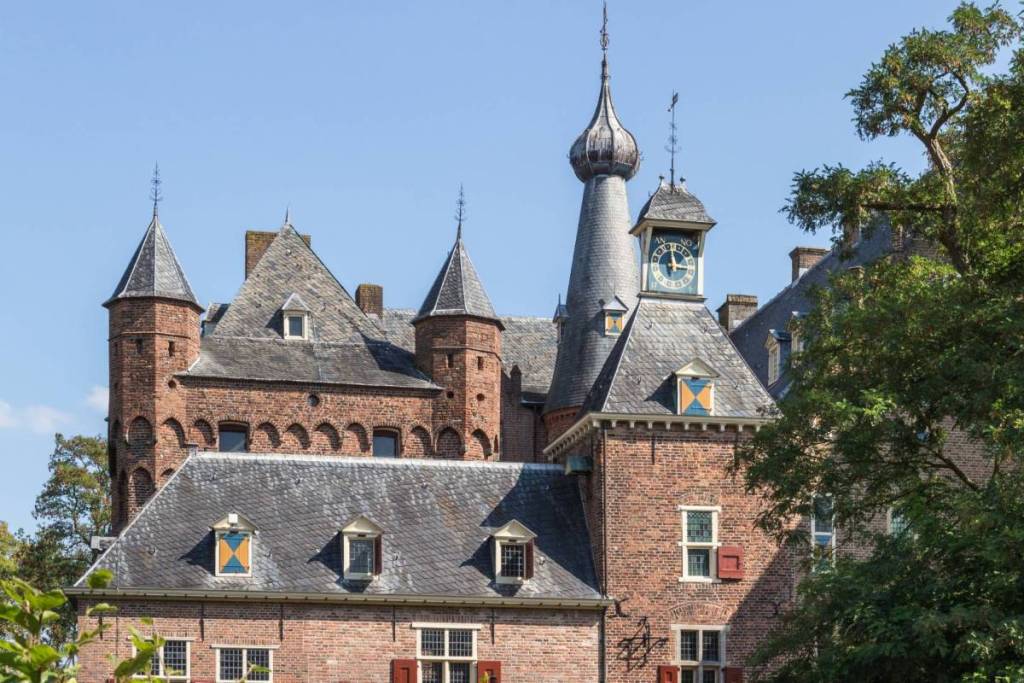
Hidden in the rugged floodplains of Gelderland lies Doorwerth Castle, a fairytale-like medieval moated castle that began in the 13th century as the burned-down hideout of a notorious robber baron.
Recommended Articles
 The Weekend Guide for Amsterdam: What to Do from November 27–29?
 Prison Island Amsterdam: a next-level adventure full of action and challenging puzzles—perfect for all ages
During World War II, the centuries-old fortress was completely destroyed by artillery fire. Today, behind the rebuilt walls stands a 400-year-old tree and the birthplace of our most famous resistance story.
From a 13th-century robber baron’s castle to the ruins of 1944
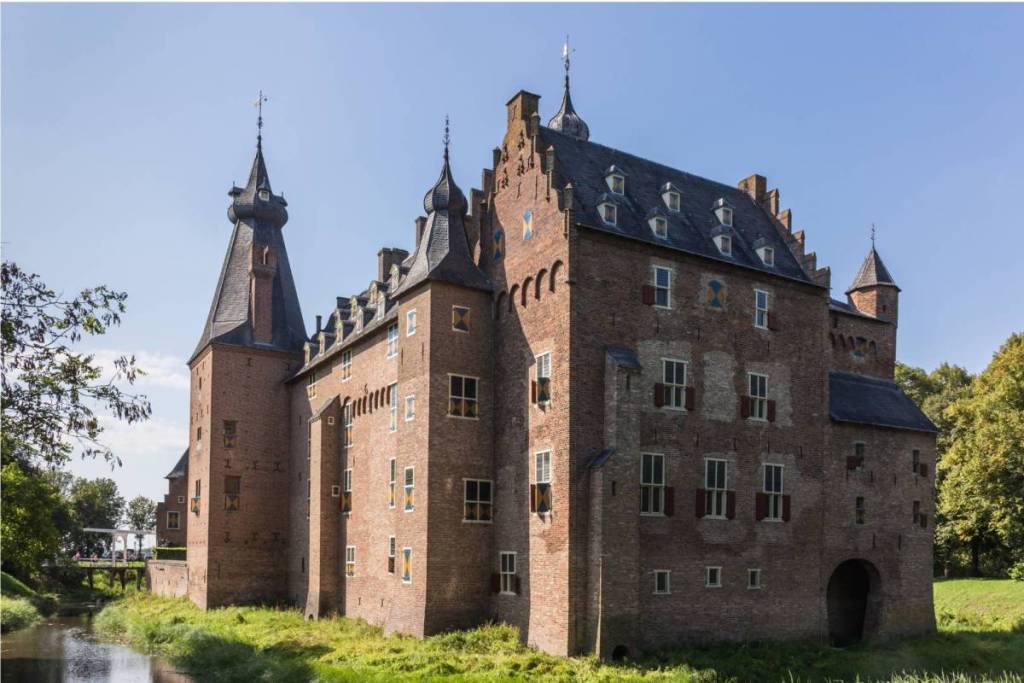
Doorwerth Castle has a turbulent past. In 1260 , the Count of Gelre ruthlessly set the wooden castle ablaze to put an end to the predatory practices of the castle lord, Berend van Dorenweerd. His son rebuilt the fortress using heavy monastery bricks made from local river clay, after which it grew into an impregnable moated castle.
For centuries, the castle withstood sieges and floods, until the Battle of Arnhem in September 1944 proved fateful . Allied and German artillery fire turned this medieval pride and joy into a smoking ruin. It was only after a massive postwar restoration that the castle rose again in all its glory.
The literary secret of Doorwerth Castle: “Soldier of Orange”

A surprising cultural legacy lies hidden within the centuries-old walls. In the late 1960s, Resistance hero Erik Hazelhoff Roelfzema settled into what was then the Beaulieu castle restaurant. Inspired by the tranquility and historic atmosphere of the moated castle, he penned his life story here in 1969 and 1970 .
The result? *Soldier of Orange*, the most famous autobiographical book about the Resistance in our history, which later became an iconic film and a record-breaking musical. Without the tranquility of this castle in Gelderland, our best-known war story would have looked very different.
A 400-year-old tree and a living garden dating back to 1643
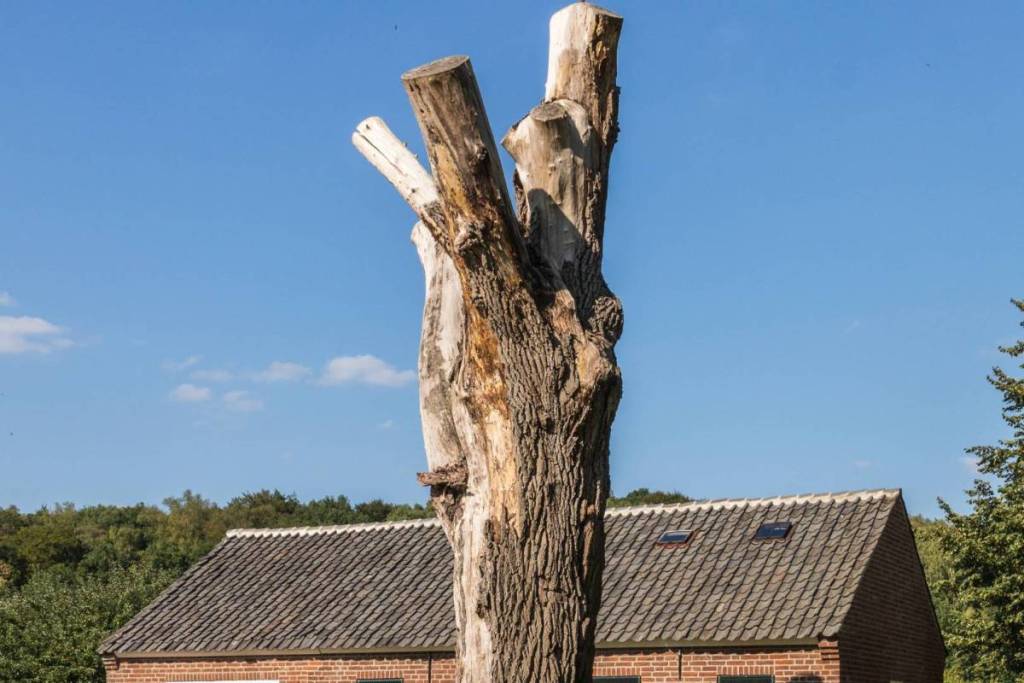
In the courtyard of Doorwerth Castle stands one of the most remarkable natural monuments in our country: an impressive acacia tree with a trunk circumference of seven meters, planted around the end of the 16th century.
Just behind the dike, you’ll also find a rare historic vegetable garden dating back to 1643. Here, volunteers still grow forgotten vegetables and herbs such as cardoon and Brave Hendrik, exactly as the castle chefs did centuries ago. Together with the surrounding floodplains of the Rhine, this makes the castle a unique blend of history and natural beauty.