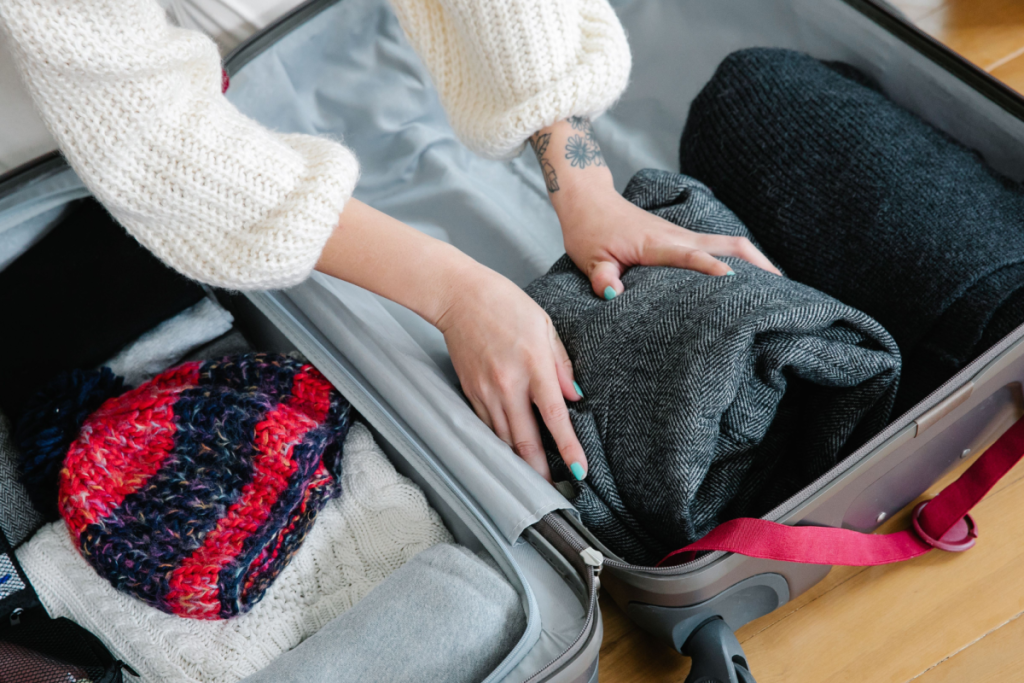

Anyone who has booked a flight in recent years knows the frustration: a cheap flight quickly turned into a hefty bill at checkout as soon as you wanted to bring a bag. After more than two decades of increasingly stripped-down base fares, Brussels is now putting an end to that.
With the adoption of Regulation (EU) 2026/2202, European passenger rights are undergoing a major overhaul for the first time in twenty years. The regulation ensures that airlines can no longer simply charge extra fees for your carry-on bag and mandates transparent pricing from the very first search. The law doesn’t take effect until October 23, 2027, and there’s an important caveat to that “free” promise that many travelers are going to overlook.
What the new EU rules really mean

The good news is that the infamous “surprise fees” at the boarding gate are a thing of the past. Once the law takes effect, every passenger within the EU will have a legal right to bring one small personal item on board for free. Think of a backpack, laptop bag, or handbag (with maximum dimensions of 40 x 30 x 15 cm) that fits under the seat in front of you. Airlines aren’t allowed to charge a single cent extra for this.
In addition, Brussels is putting an end to so-called “bait pricing.” Comparison sites and airlines are required to display the full final price—including your base fare—right from the very first search result. No more sneaky price hikes during the final step of checkout.
In addition, travelers will receive a few nice perks: for example, seat reservations for parents who want to sit next to their children (under 14 years of age) will be free, and you can have spelling errors in your name corrected at no cost up to 48 hours before departure.
Nuances and implications of the decision
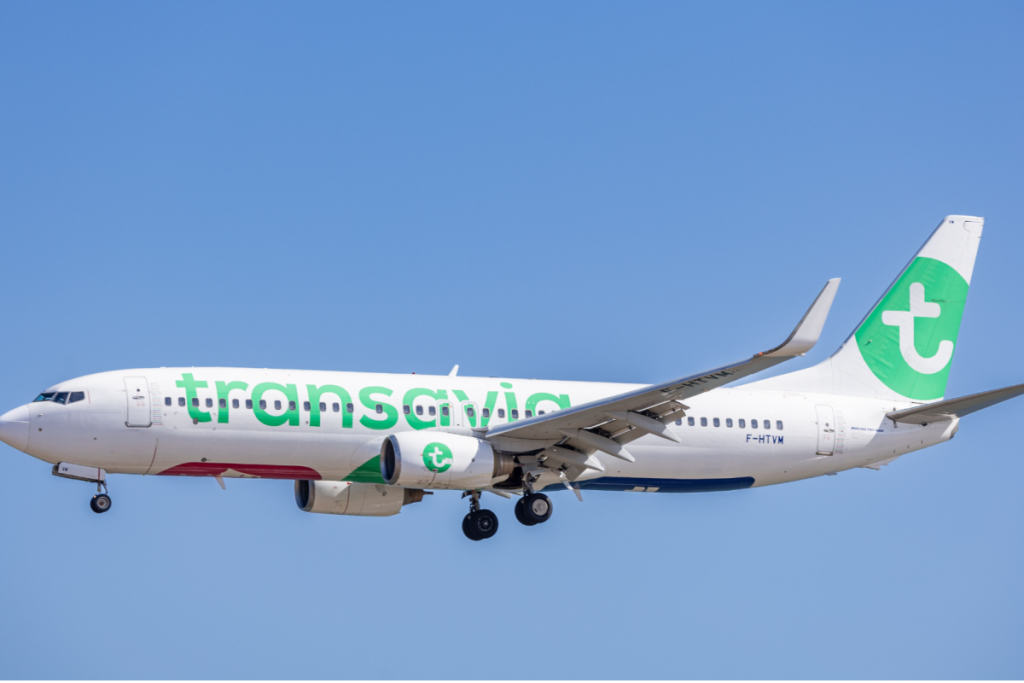
However, there is an important caveat to the regulation. The requirement applies exclusively to that small carry-on bag that fits under your seat. The standard wheeled suitcase for the overhead compartments will still be subject to a fee with airlines such as Transavia, EasyJet, and Ryanair.
In addition, experts are warning of a logical side effect: more expensive airline tickets. Because airlines will lose the revenue from those small fees, they will soon factor those costs directly into the base fare. Those extremely cheap ten-euro tickets thus seem to be a thing of the past for good.
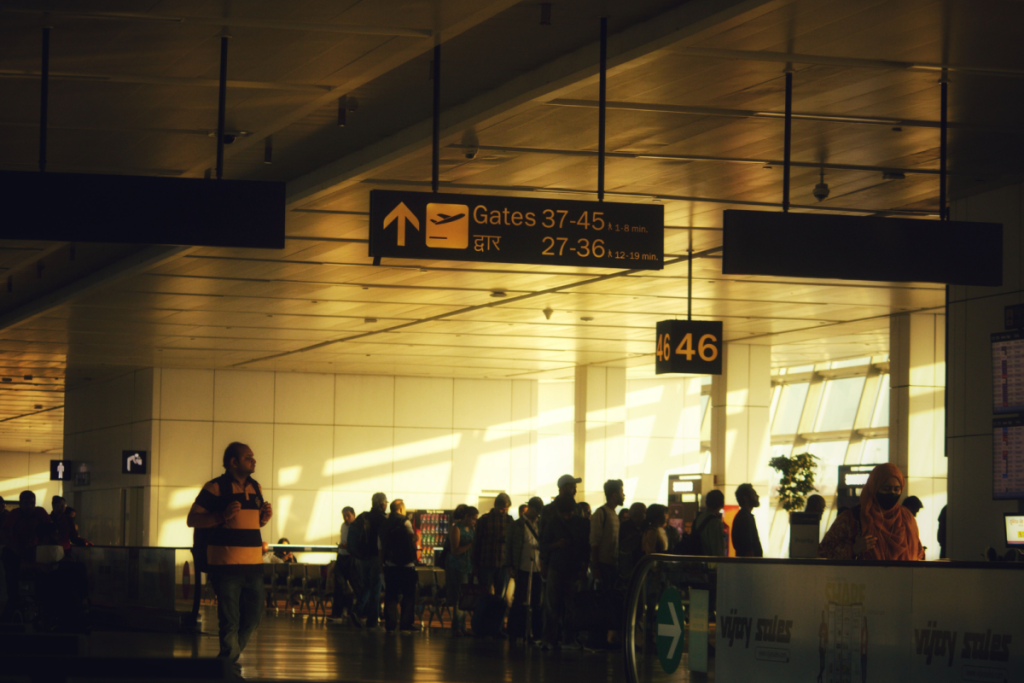
Furthermore, since virtually every traveler will soon be making full use of their right to a free carry-on bag, airports expect increased congestion during boarding. The overhead bins above the seats will fill up more quickly with coats and bags, which at busy airports like Schiphol or Eindhoven could lead to more delays at the gate.
Until then, nothing has changed. Anyone booking a flight before October 23, 2027, is subject to the airline’s current rules and fees. So when booking, pay close attention to the exact size limits your airline enforces to avoid unnecessary fines.