
What began in 1975 as a small-scale soccer tournament among the high-rises of the Bijlmer has since grown into one of the largest and most vibrant multicultural eventsin the Netherlands: the Kwaku Summer Festival. Launched back then with zero budget but with a healthy dose of community spirit, a handful of local residents laid the foundation for a phenomenon. Today, the festival in Amsterdam Zuidoost still revolves around that same, indestructible Kwakoe atmosphere that brings people from all over together.
The Roots of Kwaku: From Soccer Tournament to Mega-Spectacle
In the summer of 1975, the Bijlmer-based organizers Chas Warning, Roy Groenberg (alias Kaikusi), Guno Bakboord, and Emile Esajas joined forces. Their goal was simple: to give the local youth who couldn’t go on vacation a great summer anyway. They organized a small-scale soccer tournament among the high-rises of the Bijlmermeer, on a grass field known as the Vogeltjeswei.
Without a marketing budget, news of the tournament spread like wildfire beyond the city limits via the “mofokorantie” —Surinamese word-of-mouth. Teams from all over the Netherlands traveled to the Bijlmer. Since there were no official food stalls yet, a lively trade sprang up from the trunks of parked cars. Visitors gathered on the field to enjoy homemade bami, blood sausage, and fladder (tripe).
In the 1990s, Winston Kout took the reins and transformed Kwaku from a local sports tournament into the mega-event it is today. Despite its enormous growth, changing times, and the unpredictable Dutch weather, the core has always remained the same. It is that famous, indestructible Kwakoe atmosphere that has kept the festival going for decades.
The three cultural pillars of the Kwaku Festival
Although the event has since grown into a massive spectacle, its foundation remains rooted in three essential elements: sports, food, and culture.
The sporting heart of Kwaku
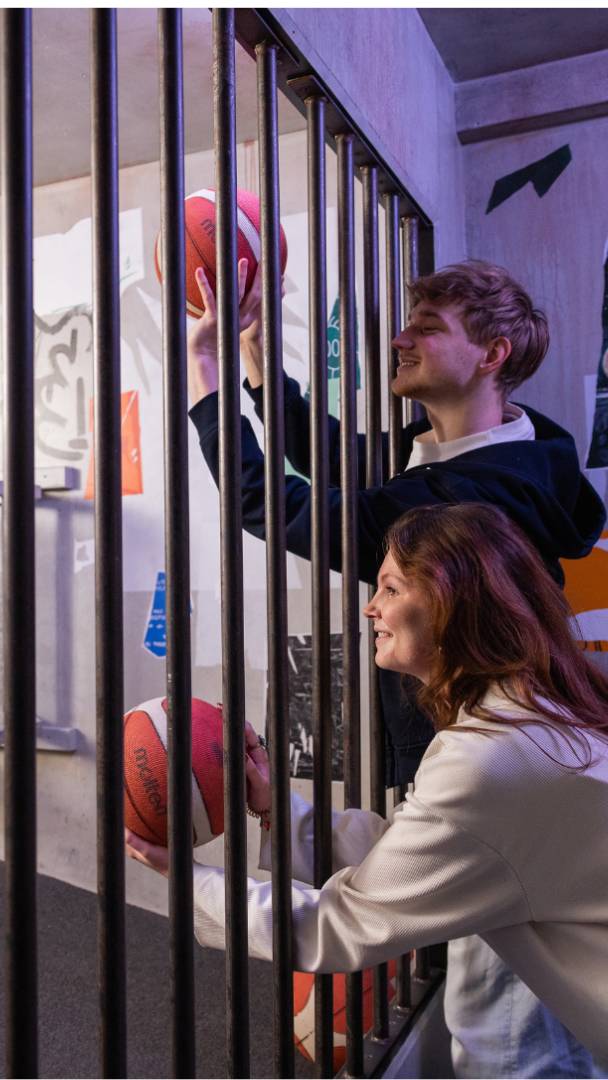
Soccer is and remains the absolute heart of the festival. In short, intense matches, teams compete against each other in all kinds of different categories: from juniors and seniors to veterans, walking soccer, and even a special league for the homeless. In addition to traditional soccer, 3×3 basketball has now also secured a permanent and popular spot on the sports program.
A global culinary journey
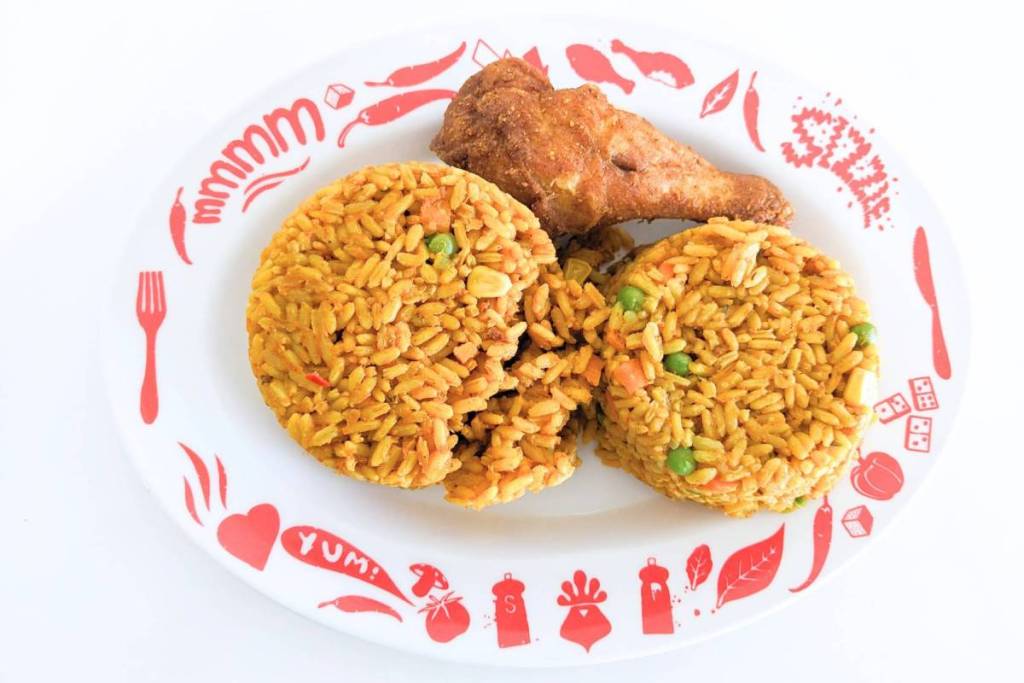
What once began with selling bami and blood sausage out of car trunks has now grown into one of the most acclaimed food courts of the Dutch festival summer. Kwaku is known for its vast array of food stands offering authentic flavors from Surinamese, African, and Caribbean cuisines. In addition to hearty meals and tropical cocktails, visitors can also stroll through the market to find fresh vegetables, exotic fruits, and unique cultural products to take home.
Culture, entertainment, and the theme days
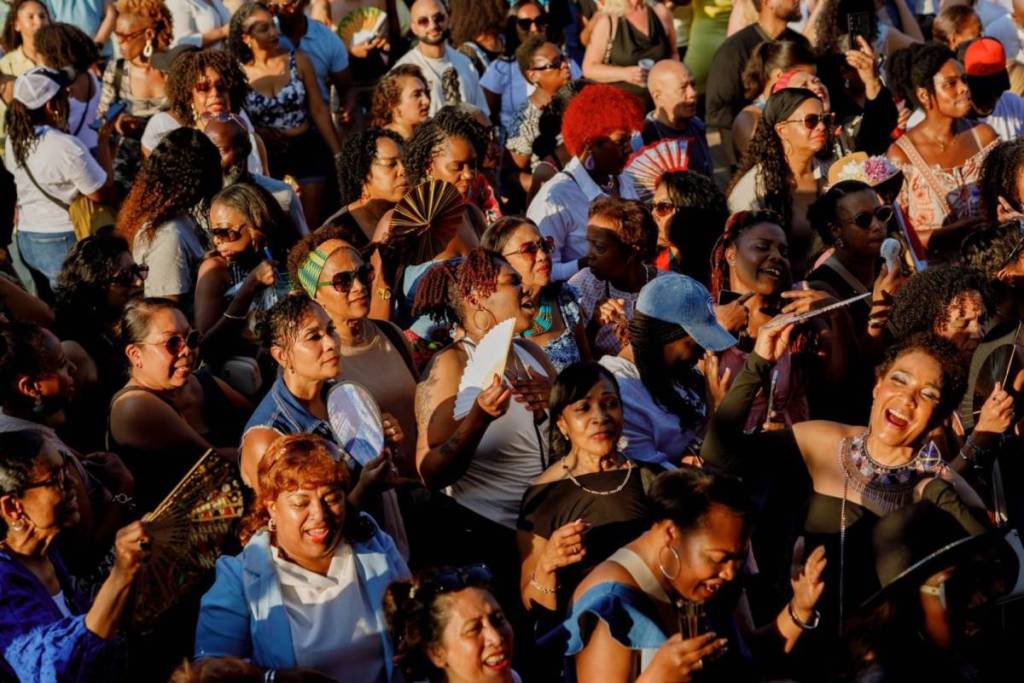
Kwaku is much more than just sports and food; it’s a platform for broad social participation. The festival offers a varied program featuring live music, debates, lectures, beauty pageants, and even the presentation of a literary award. The absolute highlights are the special theme days, where different communities celebrate their cultures:
- Hindustani Day: A colorful day filled with Baitak Gana, classical Indian dance, and popular chutney soca.
- Antillean Day: A lively celebration packed with Caribbean music such as soca, compa, and salsa.
- Kente Fugu Festival: A spectacular celebration of the African diaspora in the Pompeia tent, featuring fashion, dance, and the impressive Kings & Queens Parade across the entire grounds.
- Moluccan Day: A special day dedicated to Moluccan culture, with extra attention this year given to the 75th anniversary of the Moluccan community in the Netherlands.
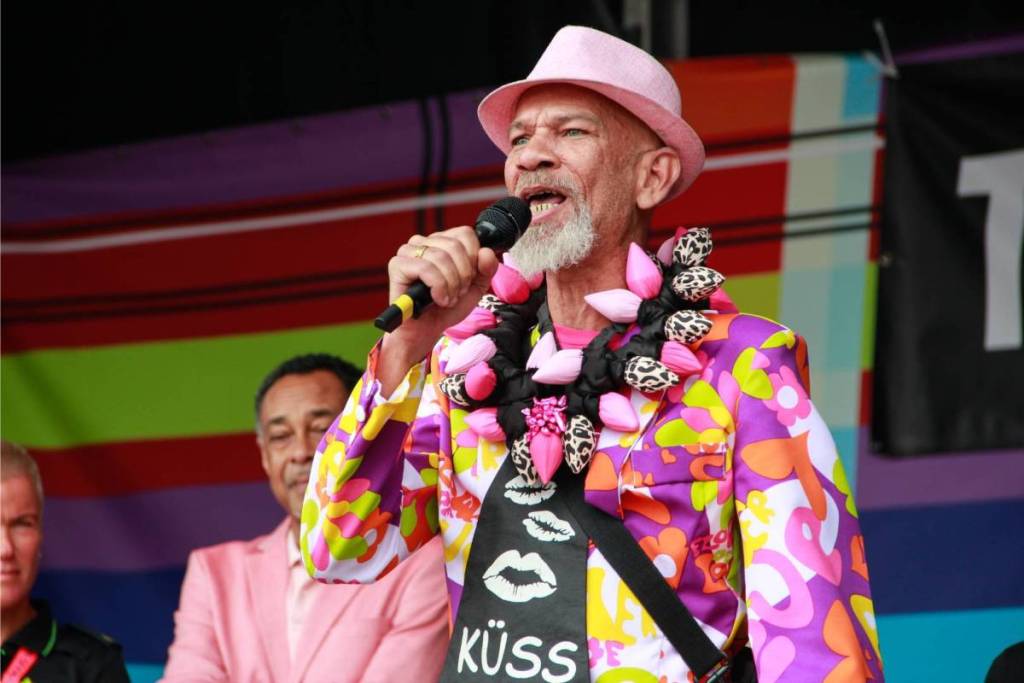
- Pink Kwaku (Pink Sunday): A regular Sunday tradition since 2008. This flamboyant event celebrates LGBTQIA+ culture and has become an important and well-attended part of the Amsterdam Pride calendar.
Live music and the famous Friday Night Concerts
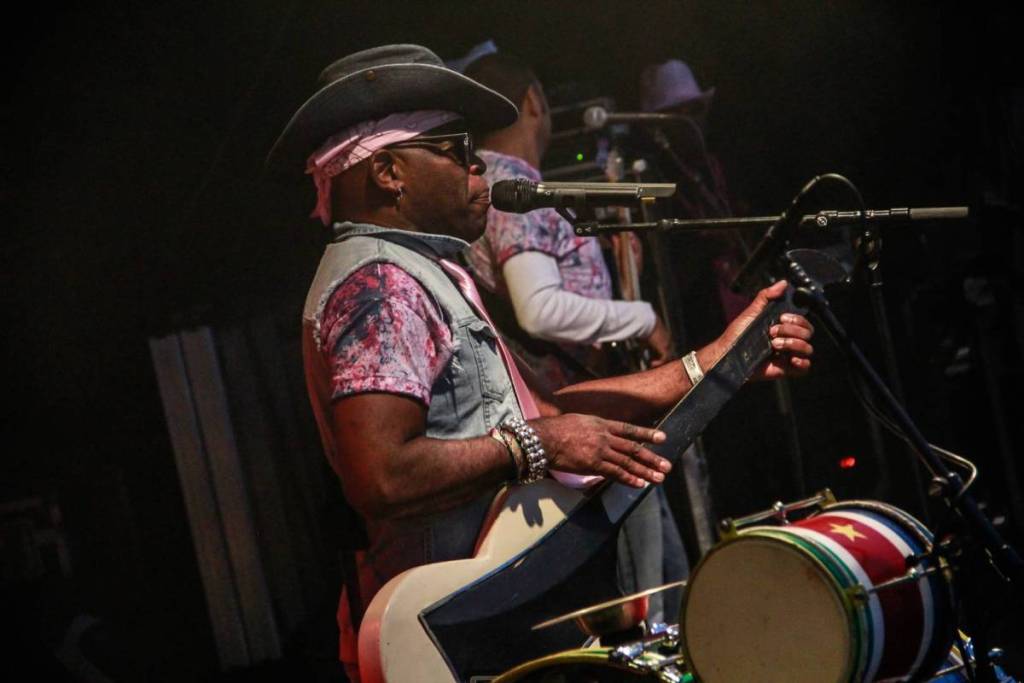
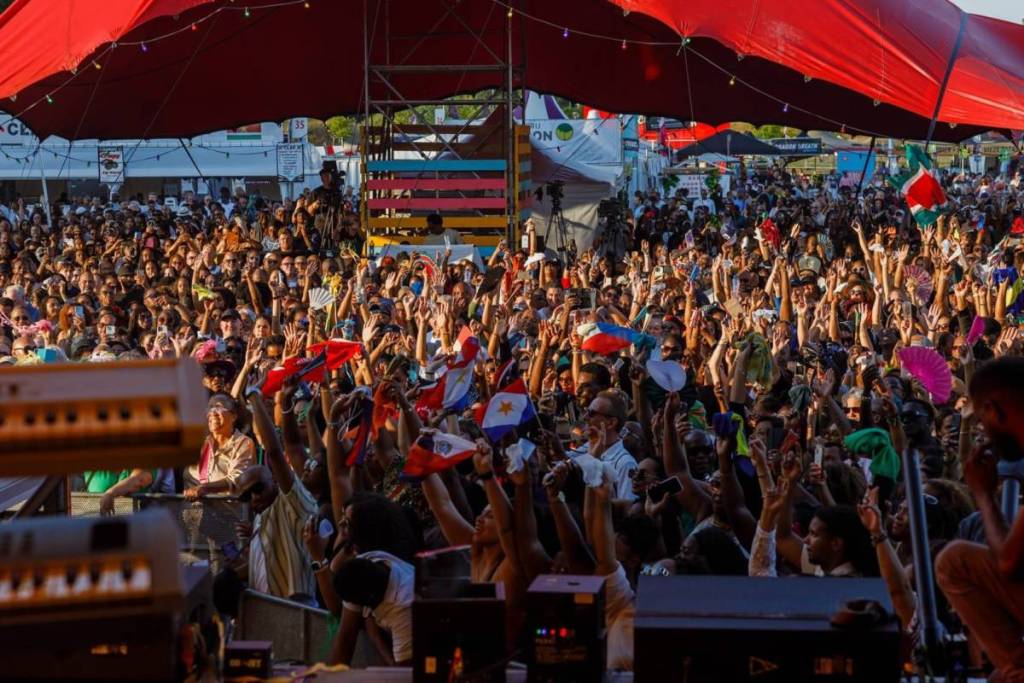
Music is in Kwaku’s DNA. Anyone walking through the festival grounds is constantly surrounded by an eclectic mix of sounds: from traditional Surinamese kaseko and Caribbean soca to pumping afrobeats, hip-hop, and sultry salsa. In addition to the free performances at the various stages on the weekends, the festival also features an exclusive musical highlight: the Kwaku Friday Night Concerts.
While Saturdays and Sundays are primarily dedicated to the wider family community, Friday evenings transform the grounds into a large-scale open-air concert venue. Major national and international artists from the diaspora perform here for an ecstatic audience. Good to know for visitors: these concert evenings are not included in the regular weekend tickets and require separate ticket purchases
Practical tips for your visit to Kwaku
Want to experience the festival for yourself? With these handy tips and guidelines, you’ll get the most out of your weekend in Amsterdam Zuidoost.
- Buy your tickets online in advance: It simply saves you money. An online day pass costs €13.00 ( excluding service fees and surcharges), while you’ll pay €15.90 at the box office. Want to go every weekend? Then opt for a weekend pass.
- Once you’re in, you’re in: Kwaku enforces a strict “once you’re in, you’re in” policy. No re-entry wristbands are issued. Once you leave the grounds, your ticket is no longer valid for re-entry.
- Bring the kids for free: Children 12 and under get free admission on weekends. Please note: Children under 13 will not be admitted without an adult.
- Get a discount with the Amsterdam City Pass: Do you have a City Pass? Then you’ll get a huge discount. You can buy a day pass at the box office for €7.50, or get a special 4-week pass online for €20.00 (available through July 19, 2026, while supplies last). Please note: these discounts do not apply to the Kwaku Friday Night Concerts.