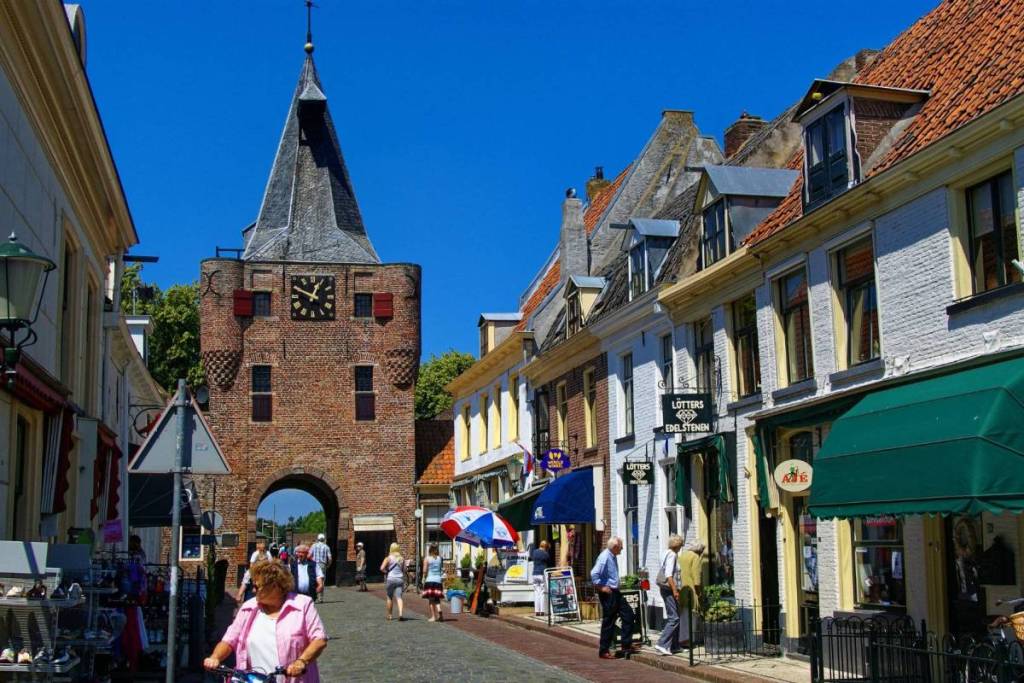

From the dense forests and heathlands of the nearby Veluwe to the ancient Zuiderzee coast: Gelderland boasts countless landmarks, but only one fortress with a perfectly straight checkerboard pattern.
A 1.5-hour drive from Amsterdam lies the Hanseatic city of Elburg, one of the most unique urban masterpieces of the Middle Ages.
Behind the double defensive moat and the Vischpoort lies a centuries-old grid of cobblestone sidewalks, houses built against the city wall, and historic fishing boats.
An entire Hanseatic city built in four years
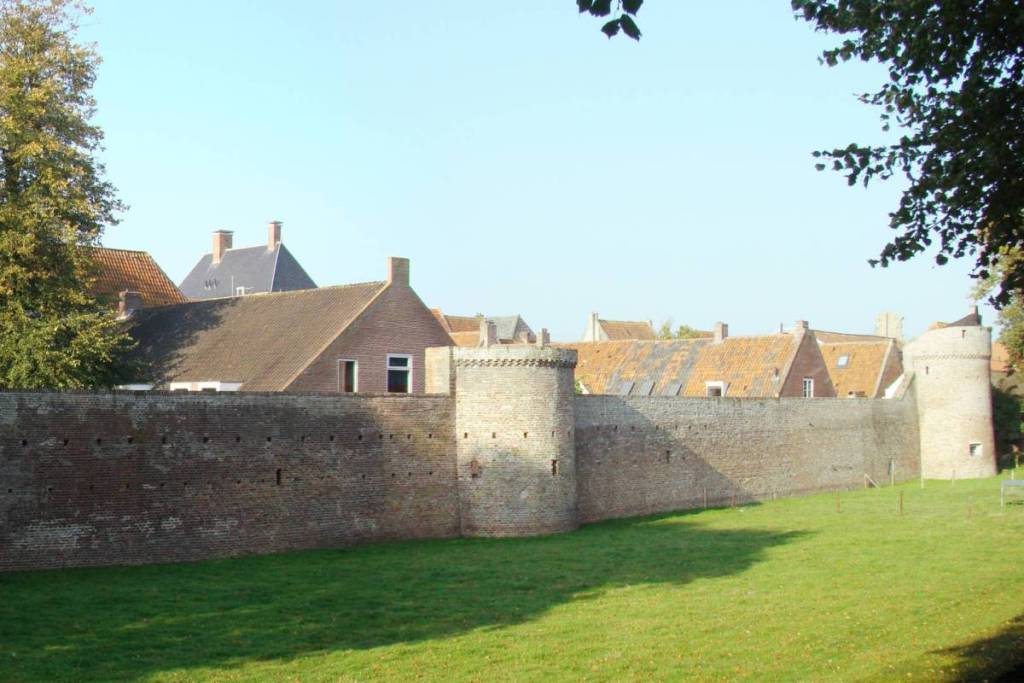
On October 2, 1392 , the Duke of Gelre gave his steward, Arent Thoe Boecop, a bizarre assignment: relocate the entire Hanseatic city of Elburg. At an unprecedentedly rapid pace—in barely four years (1392–1396)—a brand-new fortress rose up on a mathematically precise checkerboard pattern.
Contrary to popular belief, the move was not triggered by a devastating storm surge, but purely by profit motives and efficient urban planning. Thoe Boecop designed a neat, rectangular street grid that to this day forms the basis of the historic city center.
The 14th-century defensive rampart that protected Elburg
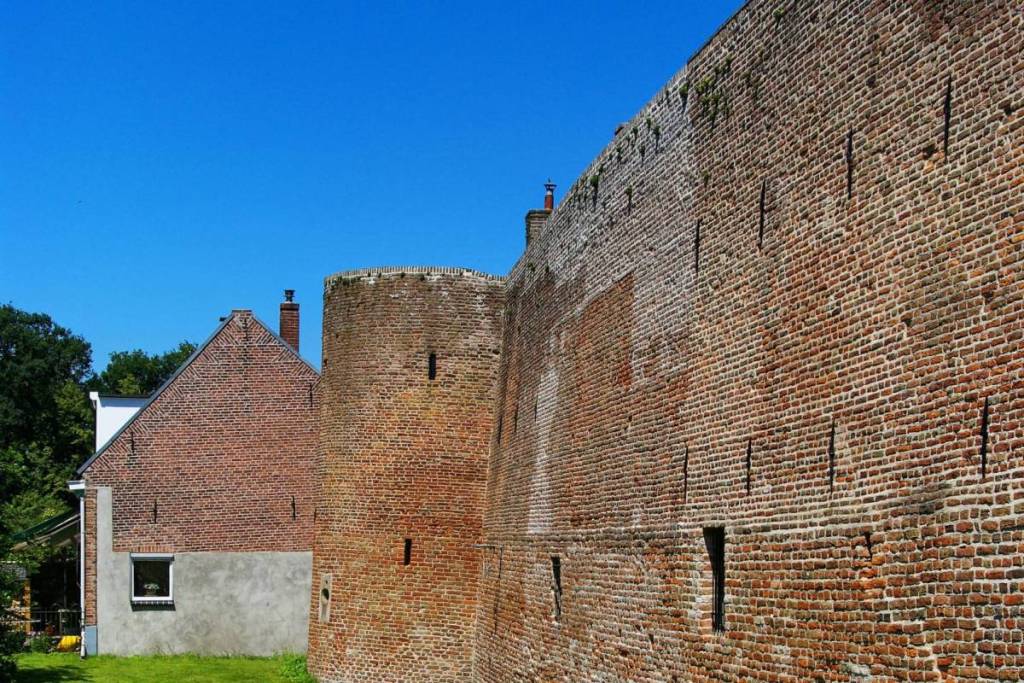
To defend the brand-new checkerboard-patterned city, Elburg was surrounded by a rare double canal system. Between the inner and outer canals lay a high defensive rampart, making the fortress virtually impregnable to enemy troops and protecting it from the surging waters of the Zuiderzee.
At that time, the famous Vischpoort was not yet an open passageway, but a closed defensive tower in the middle of the city wall. Only when the military threat subsided did city builders break through the tower to create a direct passage to the fishing harbor. The impressive double-moat structure remained completely intact in the process.
The Grote Kerk that ended up in the wrong place
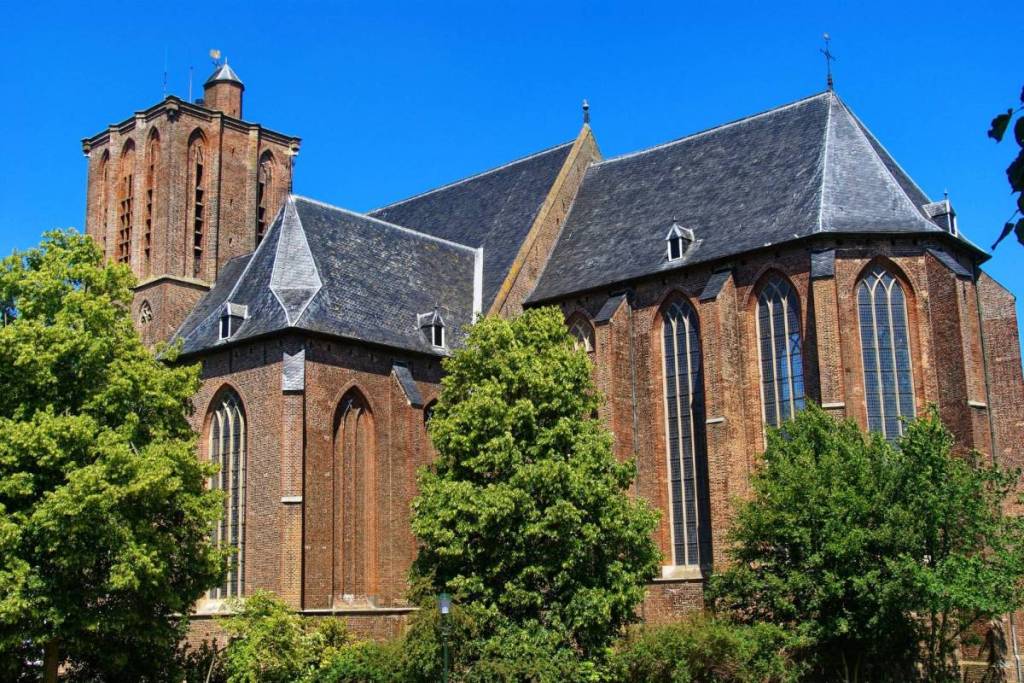
In virtually every medieval city, the church forms the absolute center. In Elburg, however, the monumental St. Nicholas Church is tucked away in the farthest corner against the city wall. Due to the lightning-fast construction—completed in barely four years—a lack of funds and the strict checkerboard grid forced the medieval builders to place the church on the outskirts.
In 1693, the building suffered another setback when the tall spire burned down after being struck by lightning. Because repairs proved too costly, the tower retained its distinctive, truncated silhouette.