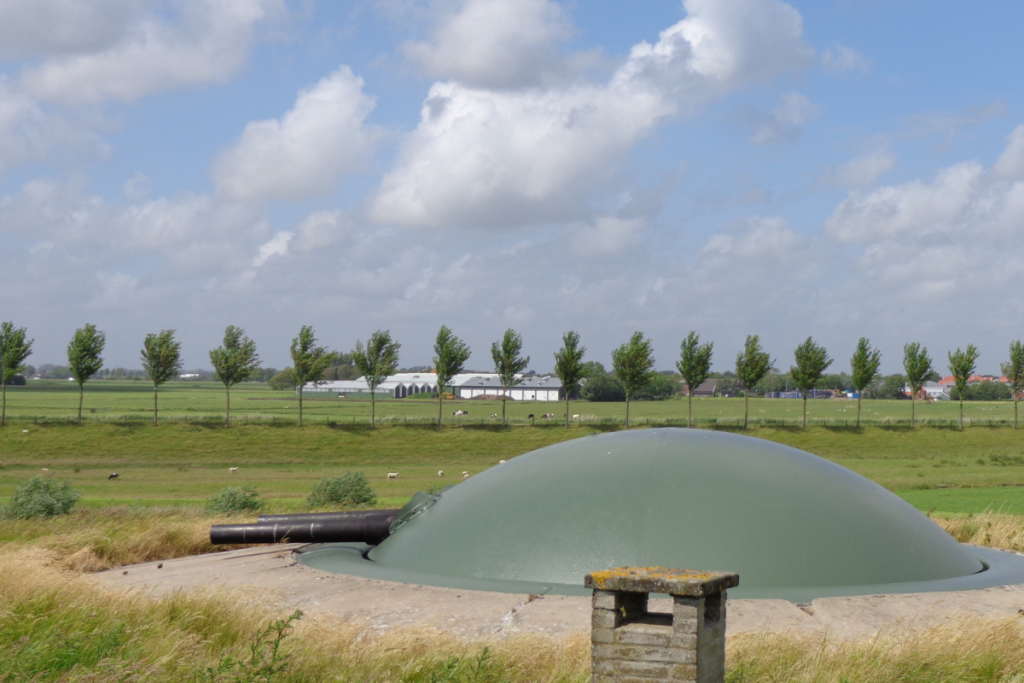

From the UNESCO World Heritage Site De Beemster to the impressive defensive network of the Defense Line of Amsterdam: our history is rich with countless fascinating monuments. This region effortlessly combines its unique polder landscape with centuries-old military structures.
Yet one specific place takes the crown. At Fort bij Spijkerboor, hidden behind the wide moat, lies a historical masterpiece where heavy artillery and human tragedies converge.
The most powerful fortress of the Defense Line of Amsterdam
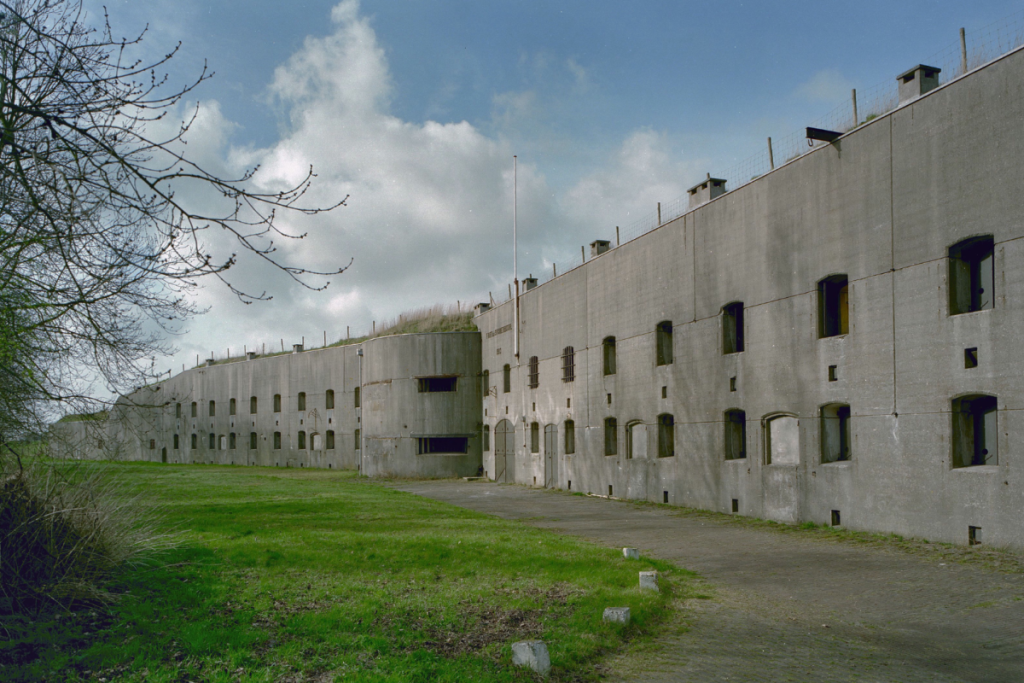
Located on the Westdijk of the Beemster lies the undisputed giant of the historic defense line. Built between 1889 and 1913 at the strategic point where three major waterways converge, this colossus served to seal off the northern access to the capital.
To maintain an unobstructed view from the high polder dike, the fort was given a rare two-story design. This unique structure accommodated more than 300 soldiers, who were completely safe from bombs while stationed here.
The secret on the roof: the only rotating dome in the Netherlands
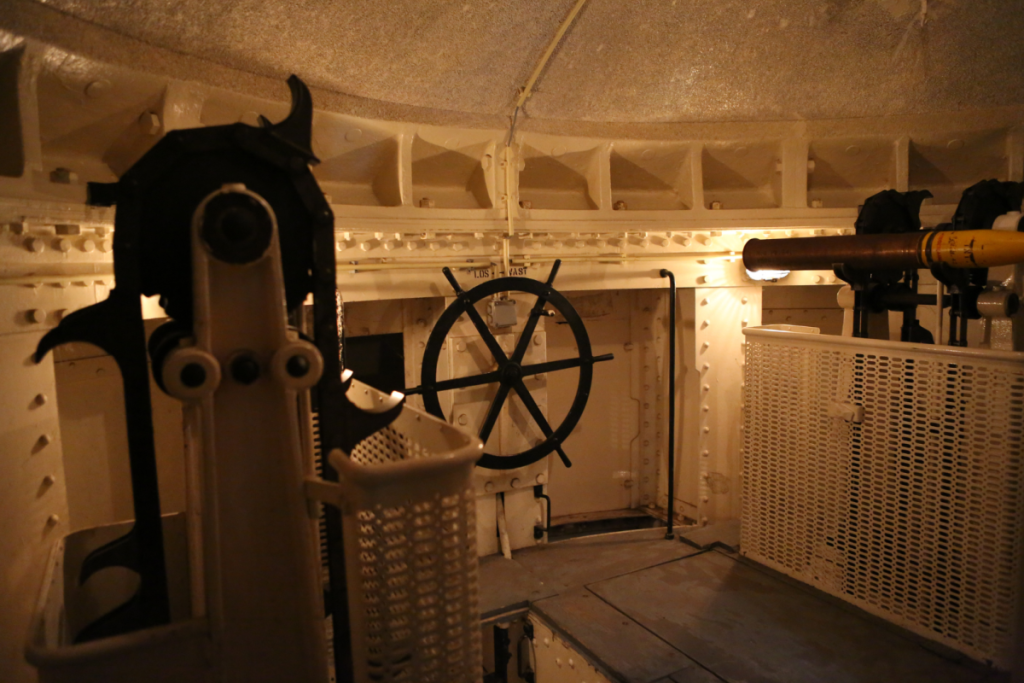
The fortress’s absolute masterpiece is located on the roof: a gigantic cast-iron armored cupola. This is the only remaining rotating cupola in our country, equipped with a heavy double-barreled cannon and a range of over ten kilometers.
Despite this immense firepower, only five test shots have ever been fired from the main turret in its entire history. During World War II, the German occupiers deliberately left the massive artillery intact, because its demolition would have irreparably damaged the surrounding polder dikes.
A historic stronghold full of unforgettable prison stories
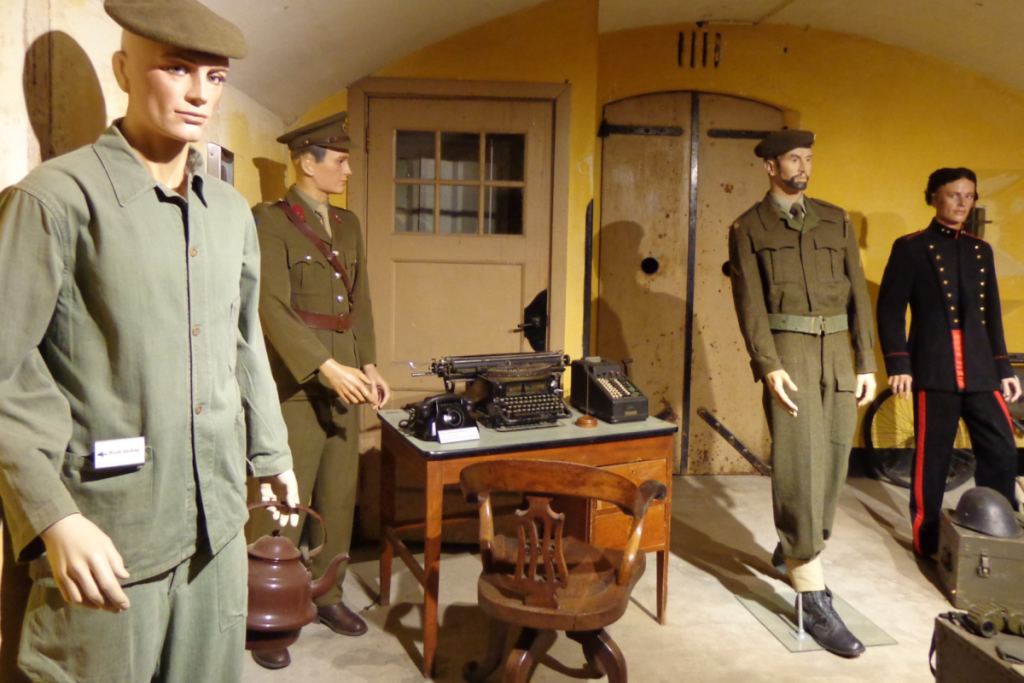
The bombproof fortress soon turned into an oppressive penal institution. The fort housed a bizarre mix of inmates: from Dutch conscientious objectors and British and German pilots imprisoned together in 1939, to prominent members of the NSB and black-market traders.
After liberation, the complex provided shelter to those who refused to serve in the Dutch East Indies. Those turbulent decades left deep scars; to this day, the original, fragile murals in the underground corridors serve as a reminder of the oppressive life behind the thick concrete walls.