
On Liberation Day 1959, an eight-year-old boy climbed onto a wooden crate among the market vendors at the Albert Cuyp Market. With a crystal-clear voice, he sang his heart out—simply to buy a birthday present for his mother. No one suspected that there, among the fruit stands and cobblestones, stood the future king of Dutch folk music.
From the fruit crate straight to the TV studio
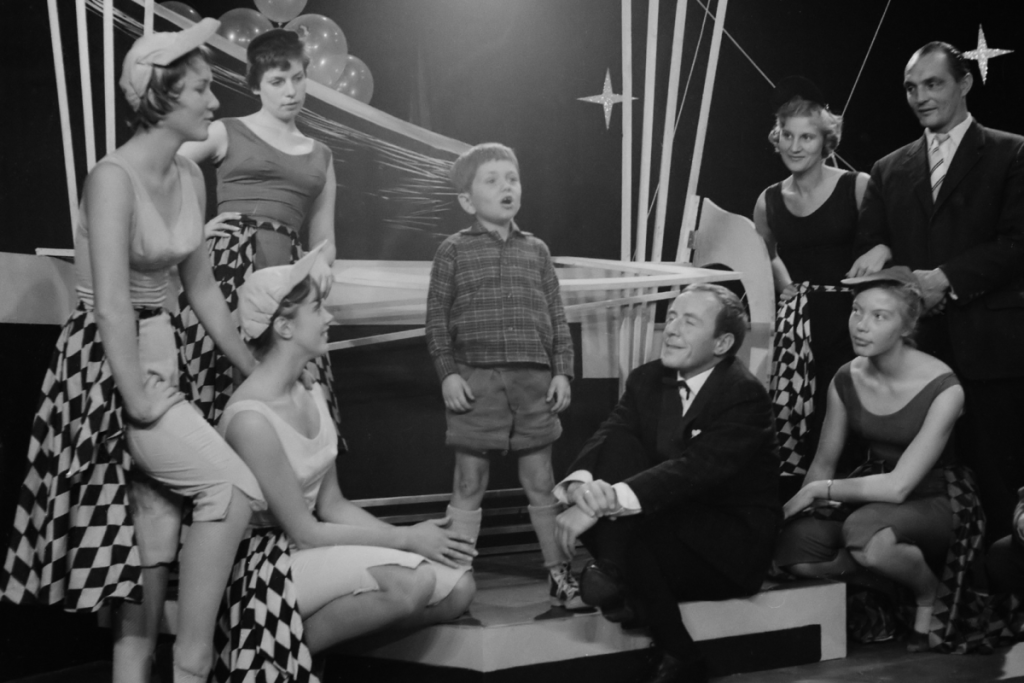
In 1959, television star Johnny Kraaijkamp Sr. was strolling through the market when he was struck by a crystal-clear boy’s voice. Eight-year-old André was singing improvised Italian and American hits to earn a few cents. Kraaijkamp didn’t hesitate for a second and took the boy from De Pijp to the TV studio, where he shone in his Sunday best on AVRO’s Weekend Show.
The singing bartender who conquered the charts
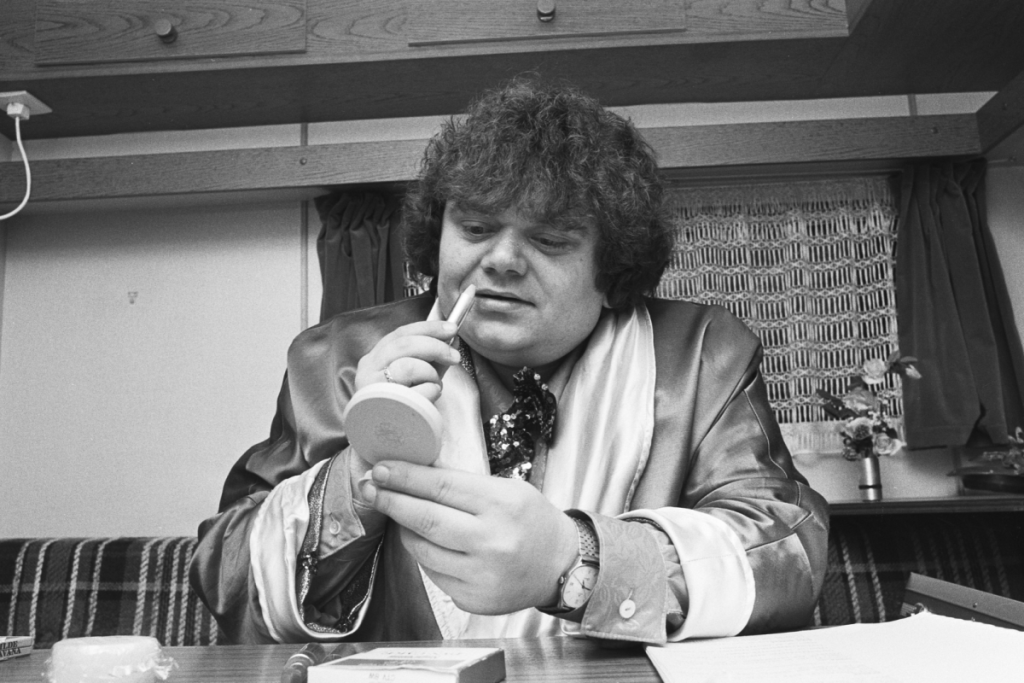
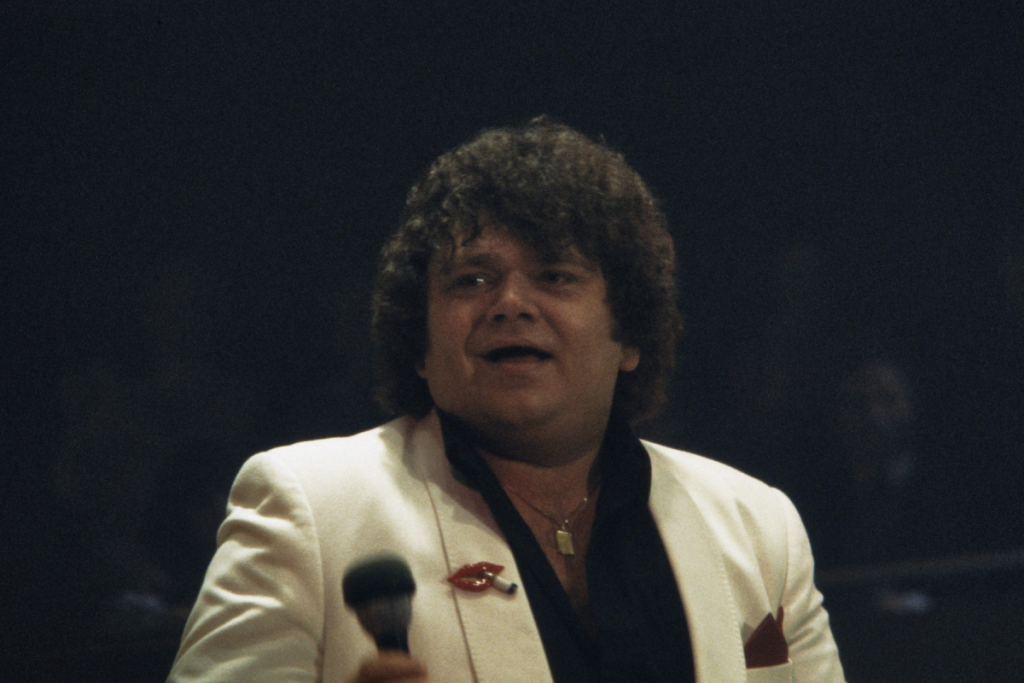
After countless jobs as a sailor and market vendor, Hazes ended up behind the bar at Café De Krommerdt. As a singing bartender, he filled glasses with his songs, but it wasn’t until 1976 that everything changed. He wrote the emotional song “Eenzame Kerst” and wanted to give it to his idol, Willy Alberti. Alberti refused and insisted that André step into the studio himself.
It became a massive No. 1 hit. Together with producer Tim Griek, he transformed the classic tearjerker into compelling “life pop,” resulting in timeless hits like “n Beetje verliefd” and “De Vlieger.” From that moment on, the whole of the Netherlands sang along at the top of their lungs with the former market vendor.
Forever the king of the pub
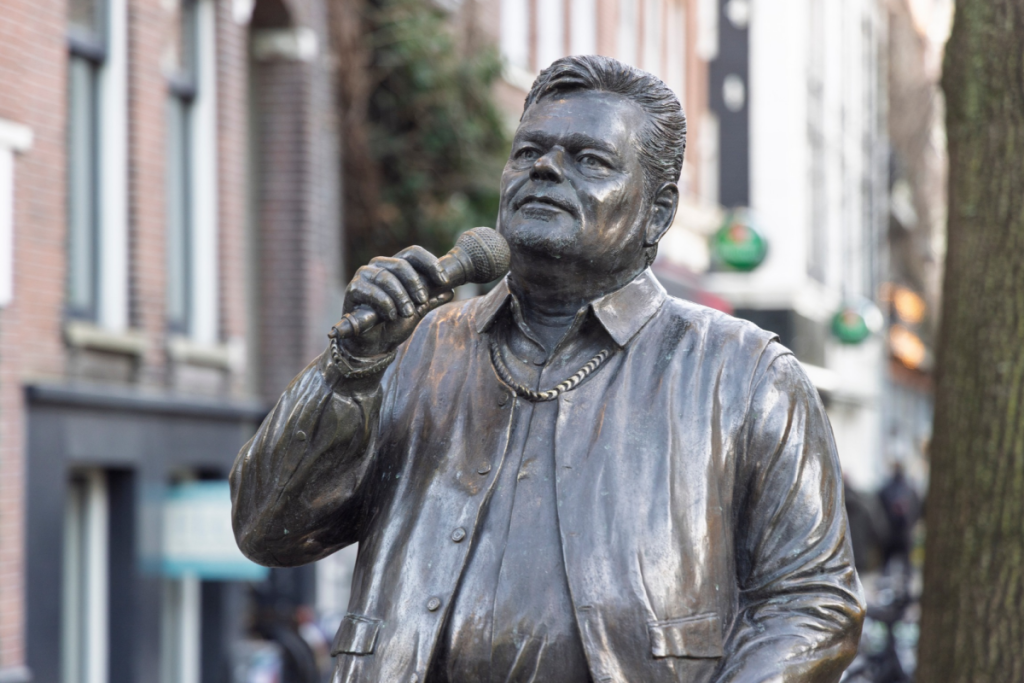
When Hazes passed away in 2004, the entire Netherlands mourned the singer who gave voice to their deepest sorrows and joys. Until his very last day, he remained the down-to-earth folk hero who sang as if he were standing right there at the bar.
Today, the circle is complete in De Pijp. At the bustling Albert Cuyp Market, his statue stands exactly where he once sang as a little boy. His voice still rings out daily through the bars, indestructible and forever belonging to the people.