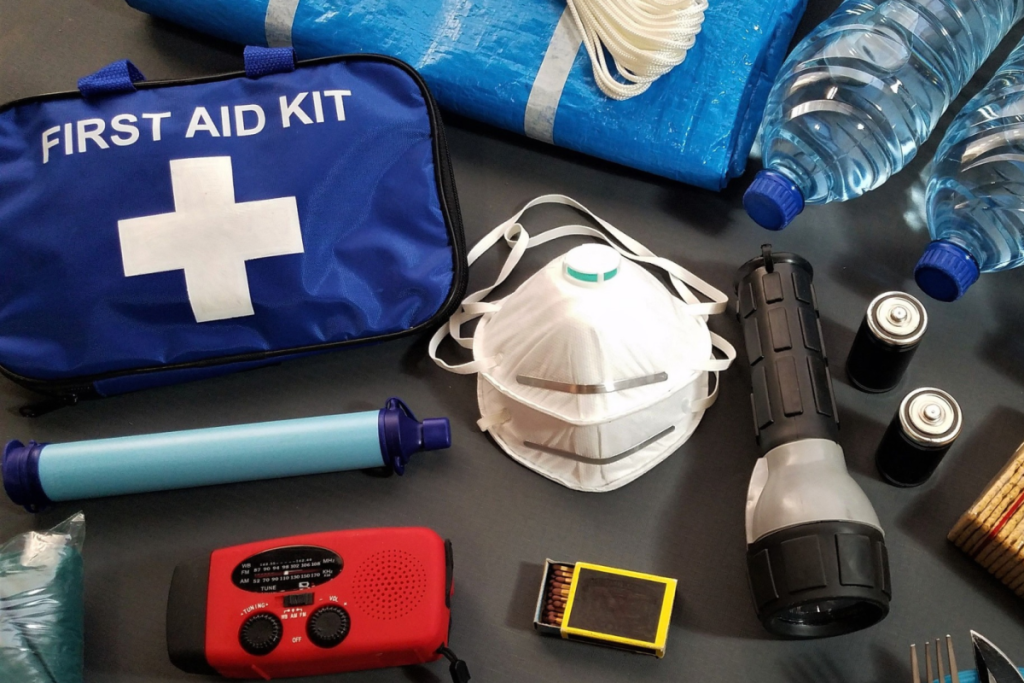

What do you do if the power is out for days or extreme weather paralyzes the city? The national government emphasizes 72 hours of self-sufficiency, but purchasing a complete emergency kit costs money. Because the safety of all residents matters, the City of Amsterdam is stepping in
In close collaboration with the Food Bank and the Red Cross, 2,000 free emergency food packages will be distributed starting October 22 to Amsterdam residents on a tight budget. And there’s more: the city will also soon be testing physical emergency assistance centers in the neighborhoods.
Who is eligible for a free emergency package, and what’s inside?
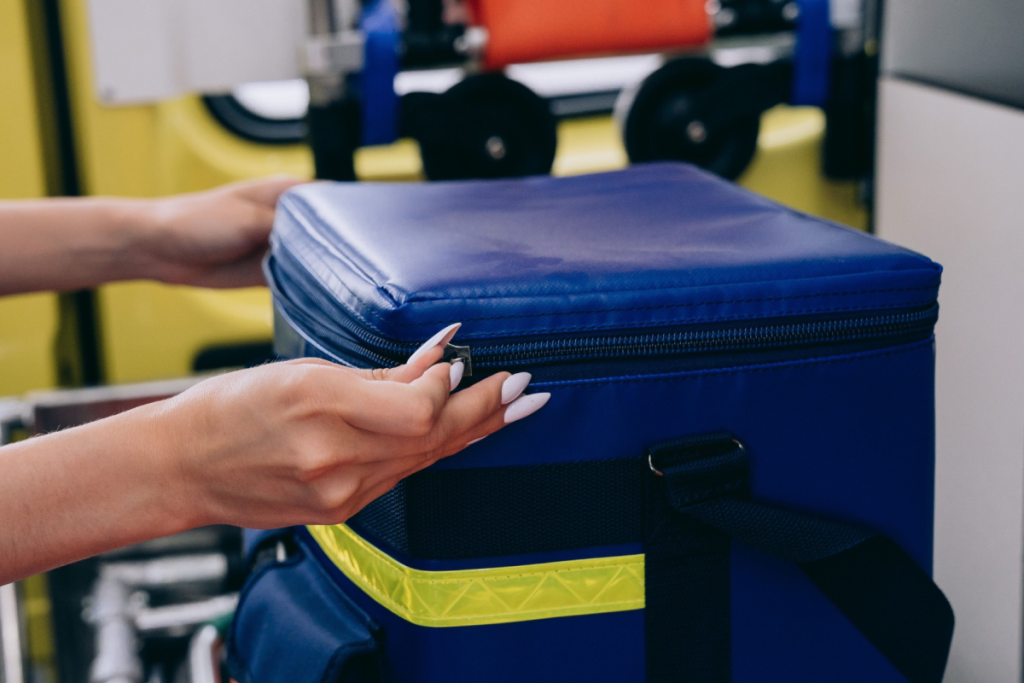
The initiative is specifically intended for households and families who, due to financial hardship, are unable to purchase emergency supplies on their own. Distribution will begin on October 22 through trusted organizations such as the Food Bank and the Red Cross. This is a follow-up to an earlier campaign in May, during which the demand for assistance proved to be very high.
The kit contains essential items to help people get through the first 72 hours of an emergency on their own. These include a battery-powered radio for emergency broadcasts, a powerful flashlight, non-perishable food, and sufficient drinking water. The city is currently exploring whether the program can be expanded to include even more households in the future.
Emergency Assistance Centers: Large-Scale Drill on October 6
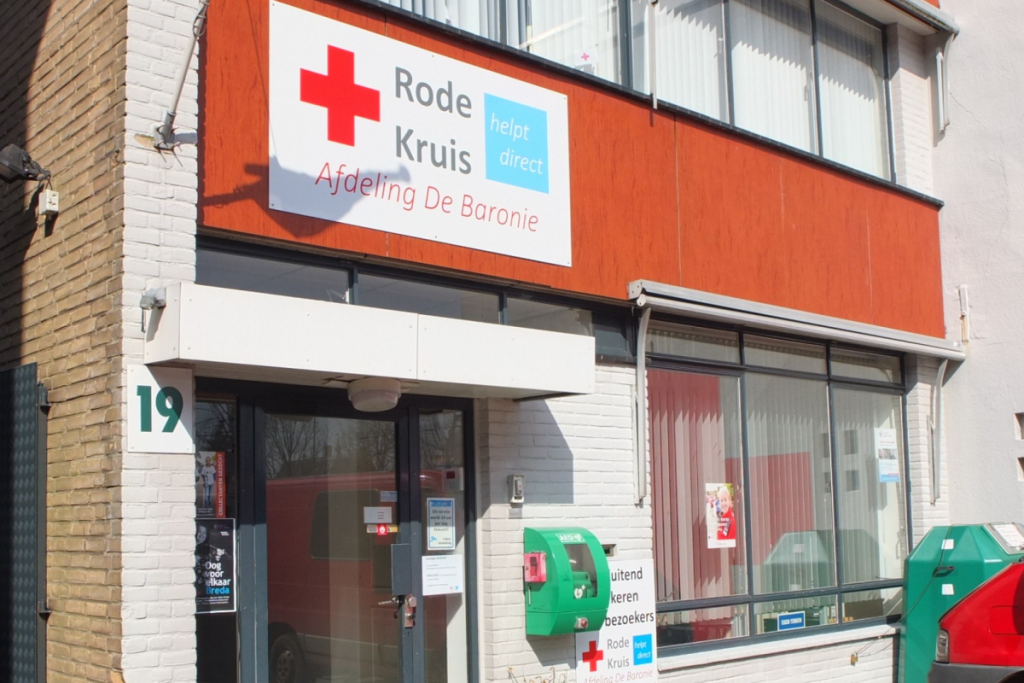
In addition to the packages, the capital is focusing on physical support centers in local neighborhoods. During a prolonged power outage or extreme weather, mobile networks and the internet quickly go down. To ensure that residents can still access information or report an emergency, special “emergency support centers” are being set up in the neighborhoods.
On October 6, the municipality, together with the Safety Region and the Red Cross, will hold a large-scale drill to test these locations. The ultimate goal is to establish approximately 100 of these support centers, which amounts to one center per 10,000 residents. In the event of an emergency, emergency services can be called in immediately from these locations.