

Want to grab a quick to-go coffee or a snack on the street? Chances are this will change in Amsterdam in the future. As much as 30 percent of the litter in the city consists of disposable cups and meal containers. Because simply cleaning up isn’t working anymore, the city is currently exploring whether a local ban on this single-use plastic is possible. What exactly does this exploration entail, and what could it mean for your daily takeout in the future?
Why is Amsterdam exploring a ban?
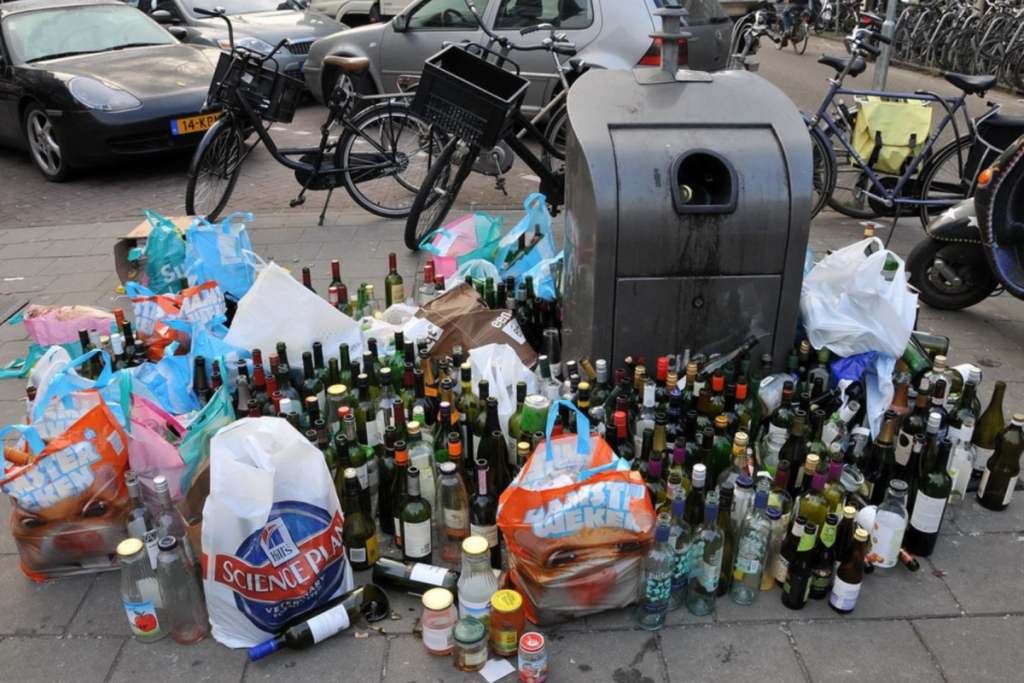
Anyone walking through the city sees it every day: overflowing trash cans and piles of trash on the streets. Most of it consists of packaging that ends up in the trash or on the sidewalk immediately after a quick lunch or coffee break. Because extra street sweeping and cleanup efforts no longer solve the problem, the city now wants to tackle this nuisance at its root.
Behind the scenes, an investigation has therefore been conducted to determine whether Amsterdam has the right to implement a local ban on single-use plastic. Legal research shows that the city can indeed get the green light for this. The most important condition, however, is that the city must demonstrate that previous measures were not effective enough and that a viable alternative will be available to consumers in the future.
What will change for your to-go orders?
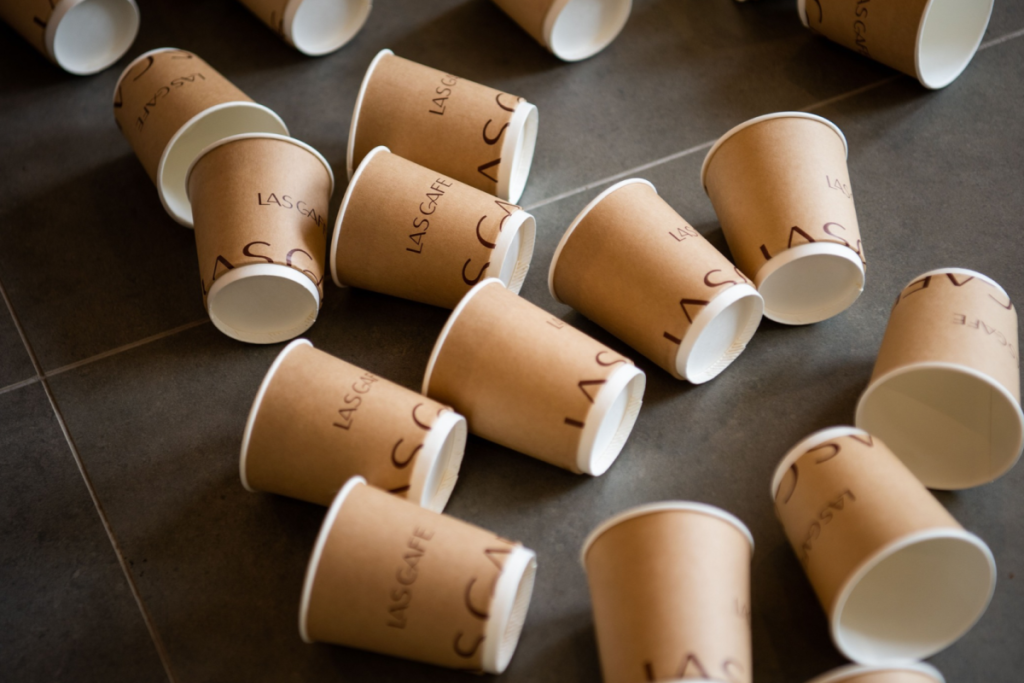
Although the ban is still in the exploratory phase, Amsterdam is already keeping an eye on cities that have already implemented such measures. For example, consumers in Lisbon pay a 50-cent deposit per cup, which is immediately refunded to their debit card or phone upon return. A similar deposit-refund system or a return system using reusable packaging is also being considered in Amsterdam.
The city government does emphasize, however, that it’s not just about money, but primarily about a shift in our behavior. We simply need to start seeing the reuse of containers as the norm. In the coming months, the city council will investigate which measures work best, while also asking business owners and Amsterdam residents for their input.