
It all began on a May day in 1887, exactly on the wedding day of 21-year-old Albert Heijn. He took over his father’s tiny grocery store in Oostzaan—a shop measuring a mere twelve square meters. Anyone who was handed a bag of coffee or a pound of sugar across the counter back then could never have imagined that this was where the seeds were sown for the most powerful supermarket chain in the Netherlands.
From a laundry room in Oostzaan to its own factory
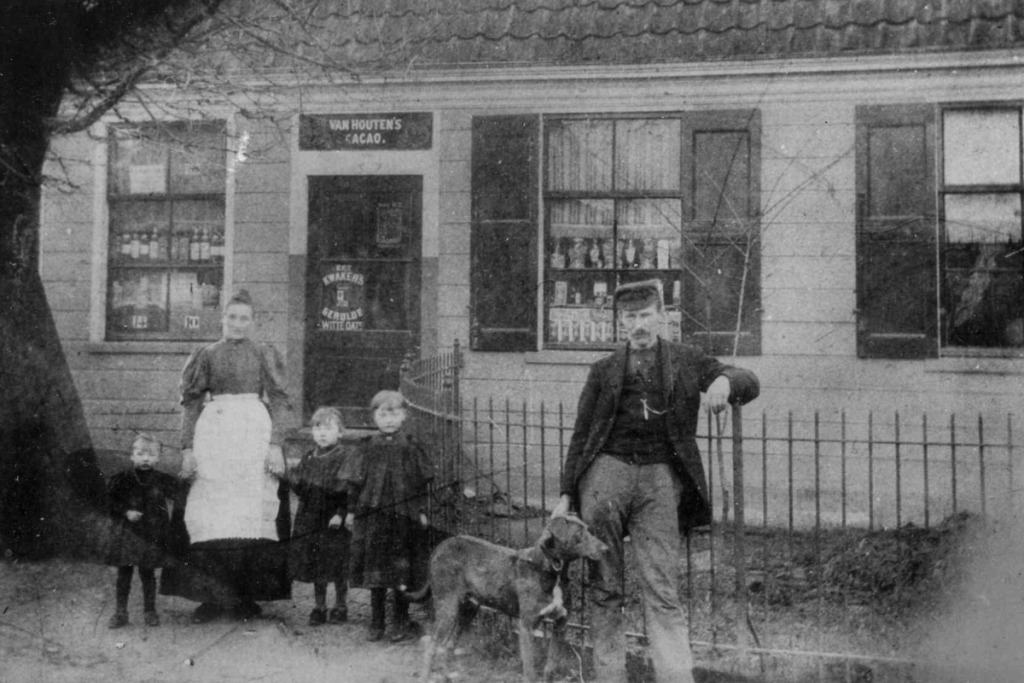
In the early years, Albert Heijn did virtually everything himself. To set himself apart from other grocers, he began roasting his own coffee in 1895 in a remarkable place: the laundry room of his small shop. It turned out to be a huge success. Soon after, he began making his own cookies, candies, and pastries.
As demand continued to grow, production moved to Zaandam, where a full-scale factory opened its doors in 1913. With a range of more than 300 items—enormous for that time—Heijn laid the foundation for the “private label” concept.
The day the shopping basket made its debut
For decades, Dutch customers stood in line at the wooden counter, where the shopkeeper weighed and handed over all products by hand. In 1952, Albert Heijn abruptly changed that with the opening of the very first self-service store in Schiedam. For the first time, customers grabbed a shopping basket themselves to pick out their groceries from the shelves.
The concept was an instant hit. Just three years later, in 1955, the very first true supermarket—spanning 340 square meters and featuring a fresh produce section for vegetables and meat—opened in Rotterdam. The company continued to innovate and, in 1977, even introduced the barcode and self-checkout to Europe. This permanently changed the way we do our daily grocery shopping.
The tiny store that became a digital empire
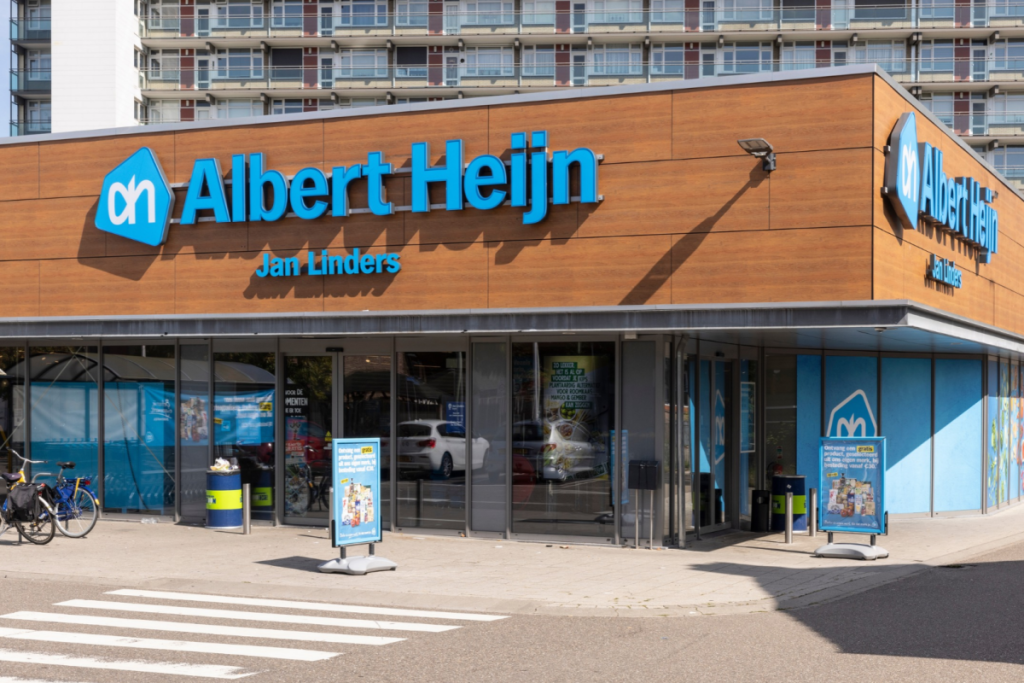
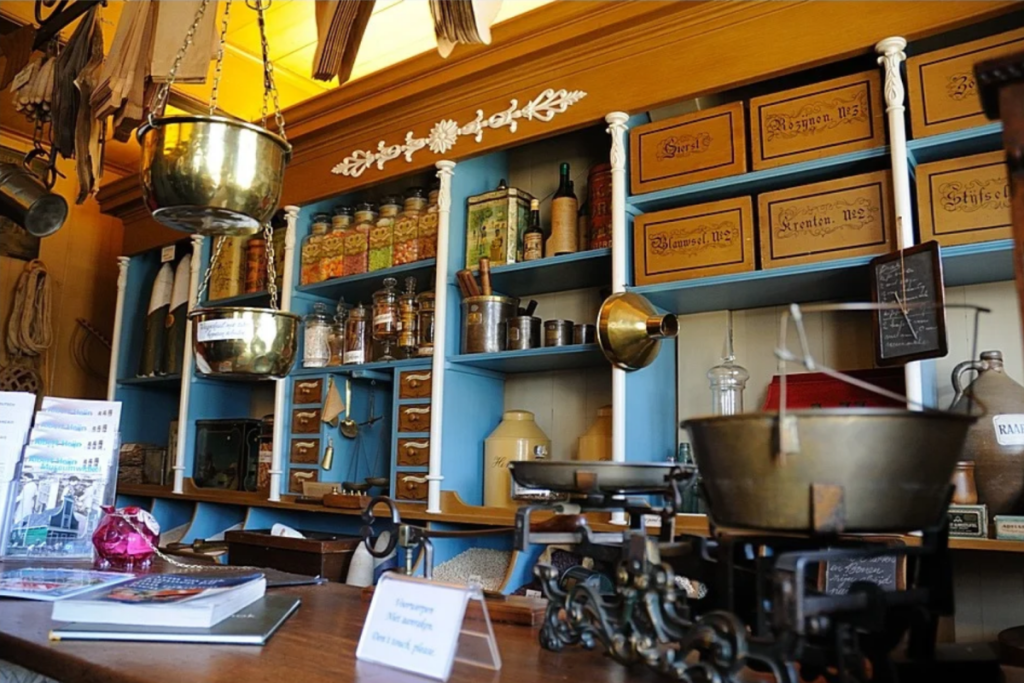
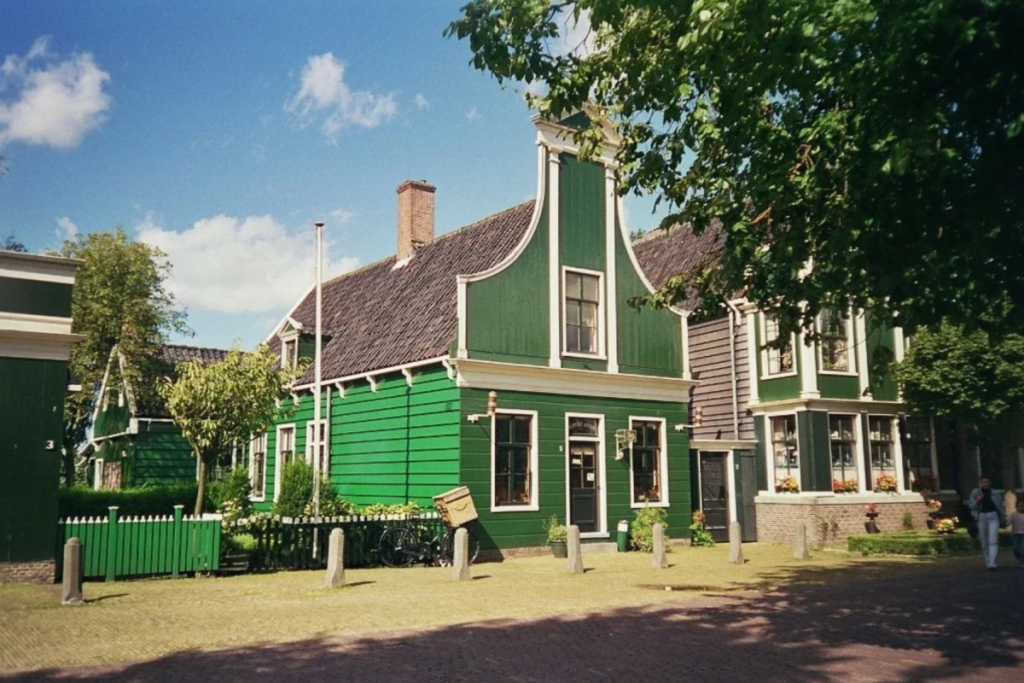
Anyone who wants to see just how small it all began can step inside an exact replica of the original 1887 store at the Zaanse Schans. The contrast with today’s empire could hardly be greater. What once began in a space of twelve square meters has since grown into a network of more than 1,250 stores.
Today, the physical store floor is intertwined with digital technology. With the launch of the “Appie” app in 2009, the introduction of online home delivery, and the widespread adoption of self-checkout lanes, the chain has captured a market share of nearly 38 percent. In this way, the village grocer from Oostzaan has become an indispensable part of our daily lives.