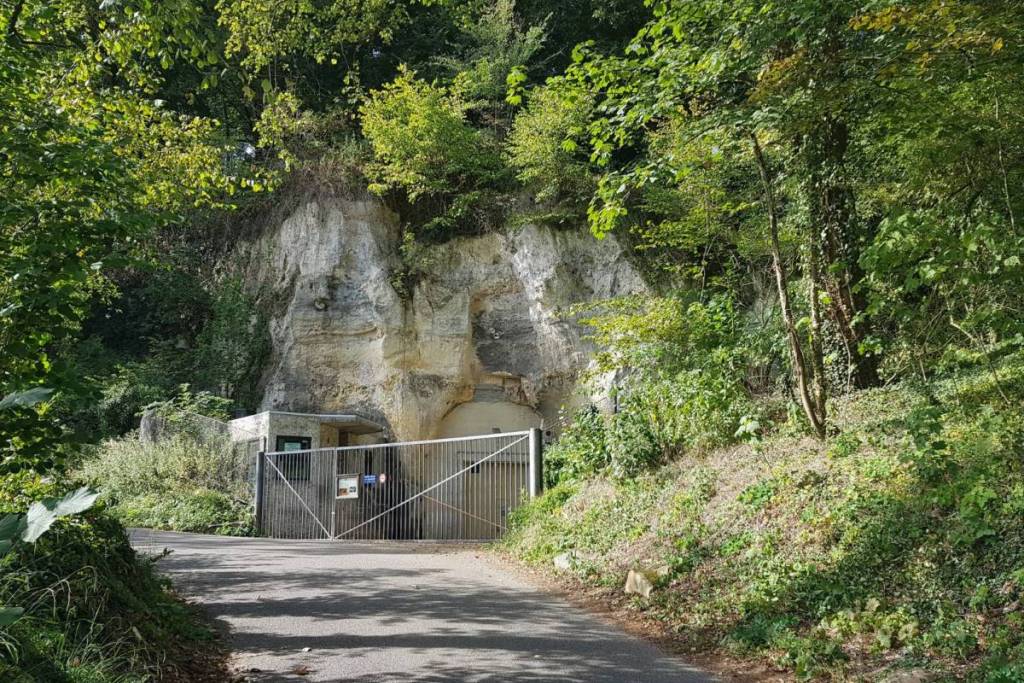

From castle ruins and the historic Vrijthof to one of the world’s most beautiful bookstores housed in a 13th-century church: the Maastricht region is known as one of the most refined cultural capitals in our country. But anyone visiting the capital of Limburg will miss its greatest secret if they only look above ground.
Just a 2.5-hour drive from Amsterdam, the city’s southern outskirts harbor a fascinating dual world. Above ground, you stroll through a green, hilly landscape surrounding a historic fort and a gigantic crater, while beneath the earth lies a labyrinth stretching for kilometers. A dark underworld full of prehistoric traces, hidden art treasures, and closely guarded state secrets.
The 18th-century fortification complex of Fort Sint Pieter
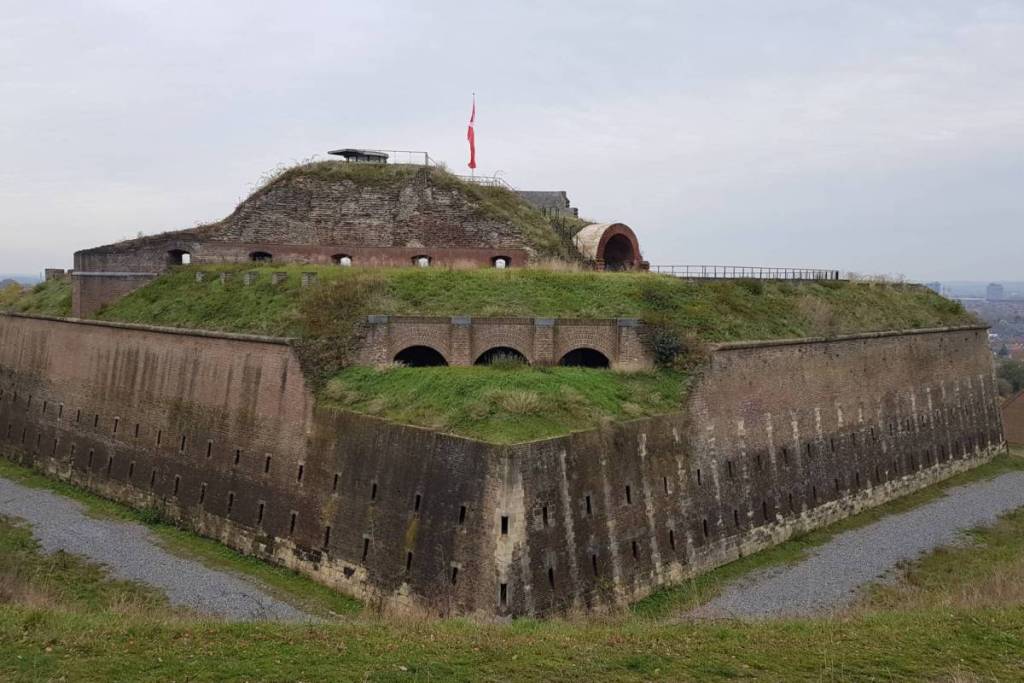
In the winter of 1701, Governor Daniël Wolff, Baron van Dopff, commissioned the construction of Fort Sint Pieter. After several devastating French sieges, this pentagonal stone fortress was intended to protect Maastricht’s vulnerable southern flank.
This strategic structure was impressive enough to even welcome Tsar Peter the Great in 1717 for a festive tour. Although the French eventually attacked the fort from behind in 1794, the restored national monument still stands there as the city’s imposing guardian.
The underground art bunker at Grotten Noord
Directly beneath the fort lies Grotten Noord, a marl labyrinth carved out by stone cutters. The dark passages preserve centuries-old traces, from charcoal drawings to cart tracks. But the system’s most crucial role did not emerge until World War II.
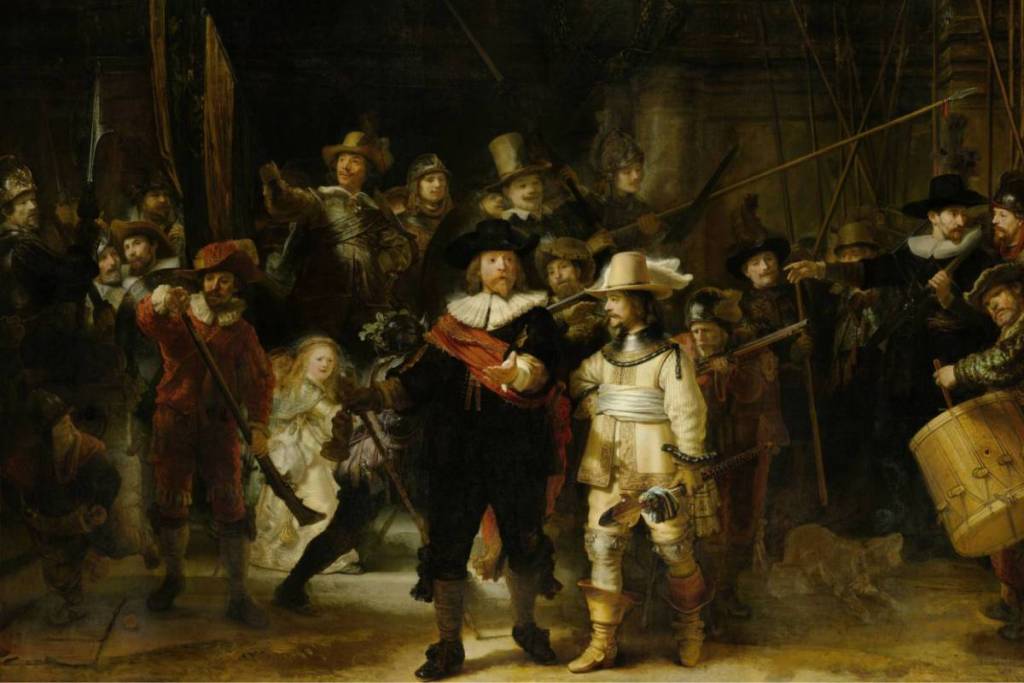
In April 1942, a special government vault was built deep inside the mountain. Here, Rembrandt’s *The Night Watch* was kept safely stored for over three years. Rolled up on a wooden cylinder, the masterpiece remained protected from the ravages of war.
The Secret NATO Headquarters
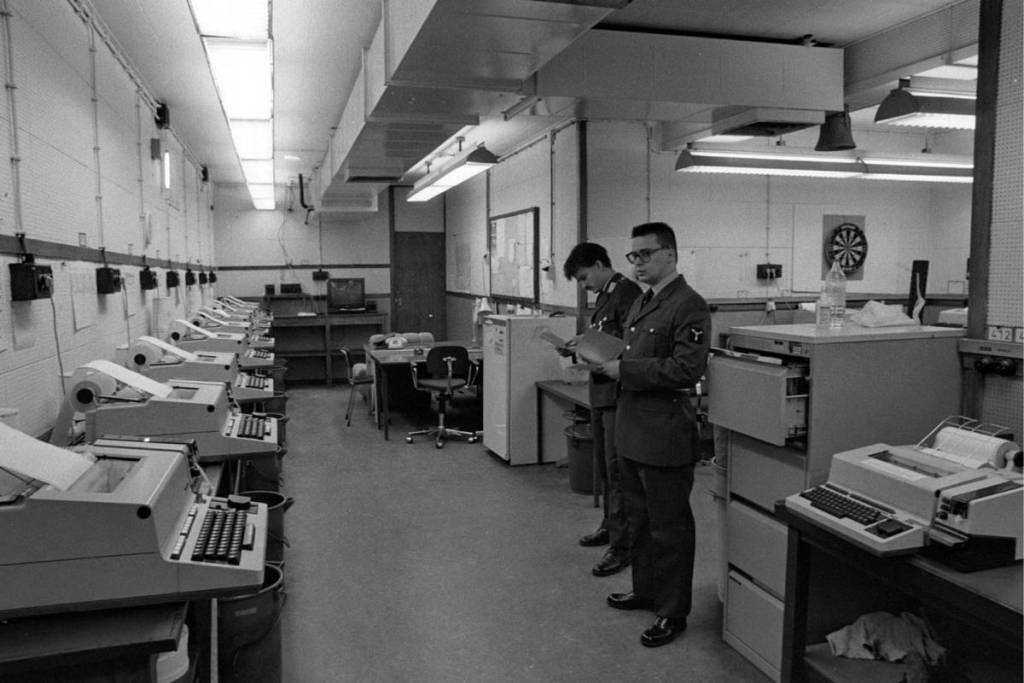
On the western side of the area, hidden within the marl of the Cannerberg, lies one of the most mysterious sites from the Cold War. Starting in 1956 , a carved-out quarry served as a permanently operational NATO headquarters. The complex was subject to the State Secrets Act and directed West Germany’s air defense day and night.
When NATO left the site in 1992, a system of underground ruins remained after a major asbestos cleanup. Today, you can explore these stripped-down corridors with a guide, who brings the unique story of this underground communications center to life.