
From the iconic cube houses to the world-famous art treasures of Museum Boijmans Van Beuningen: Rotterdam is full of architectural and cultural masterpieces, but there is only one place in the “City on the Maas” that has been designated worldwide as a universal heritage site of humanity.
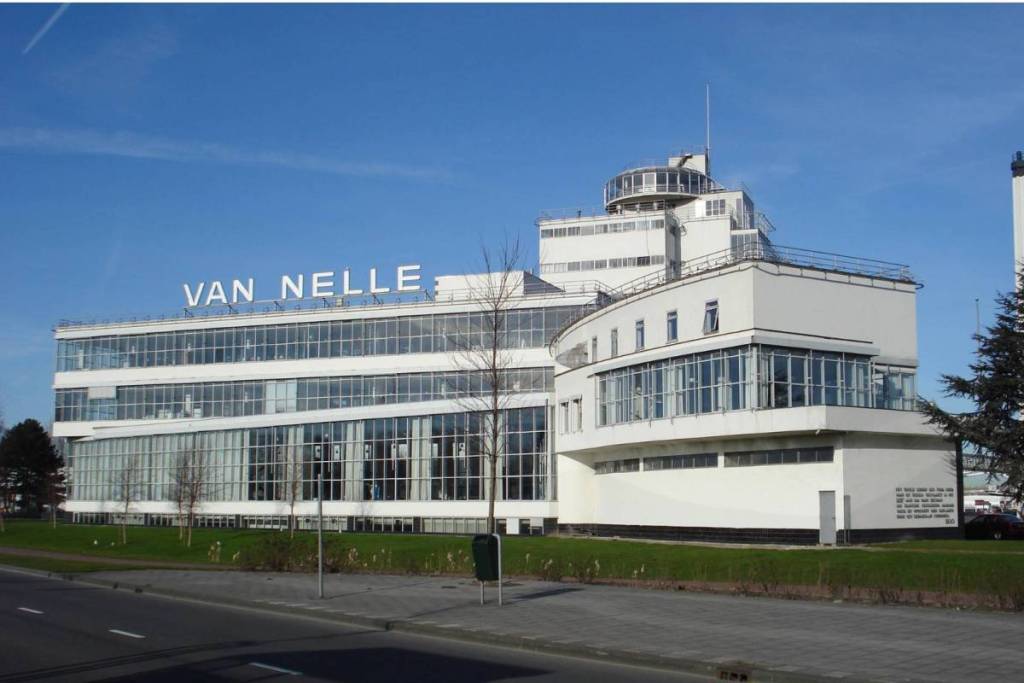
On the outskirts of the city lies the Van Nelle Factory, a breathtaking complex of steel and glass from the 1920s that is considered one of the Netherlands’ industrial landmarks and an official UNESCO World Heritage Site.
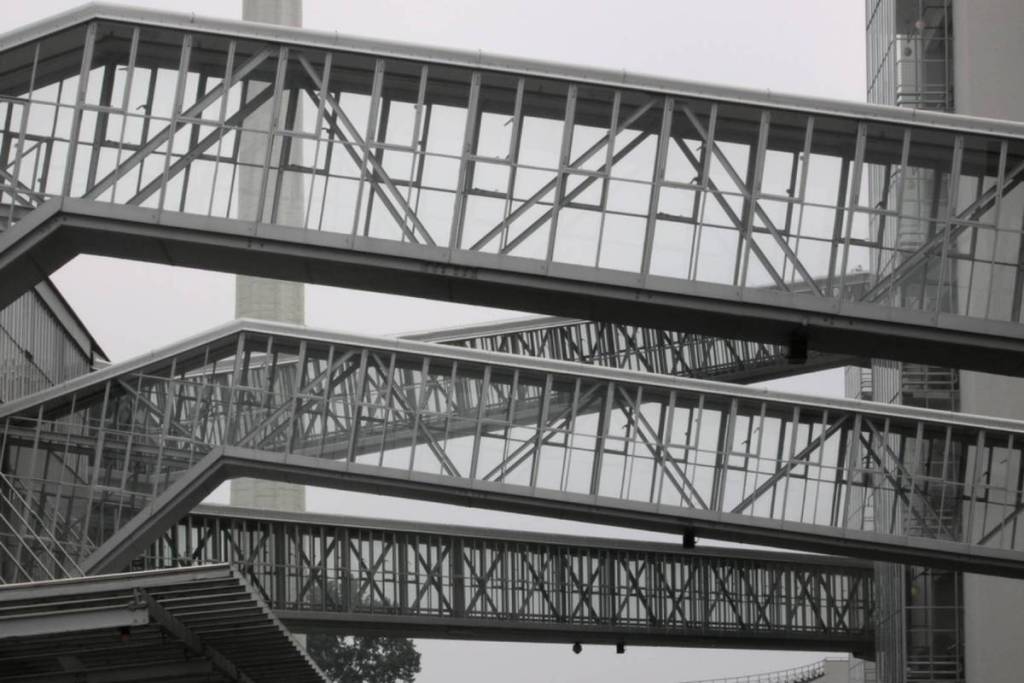
But the real magic lies behind the glass walls. Here, factory work was transformed into a bright, modern experience filled with floating conveyor tubes, sports fields, and a few remarkable secrets from management.
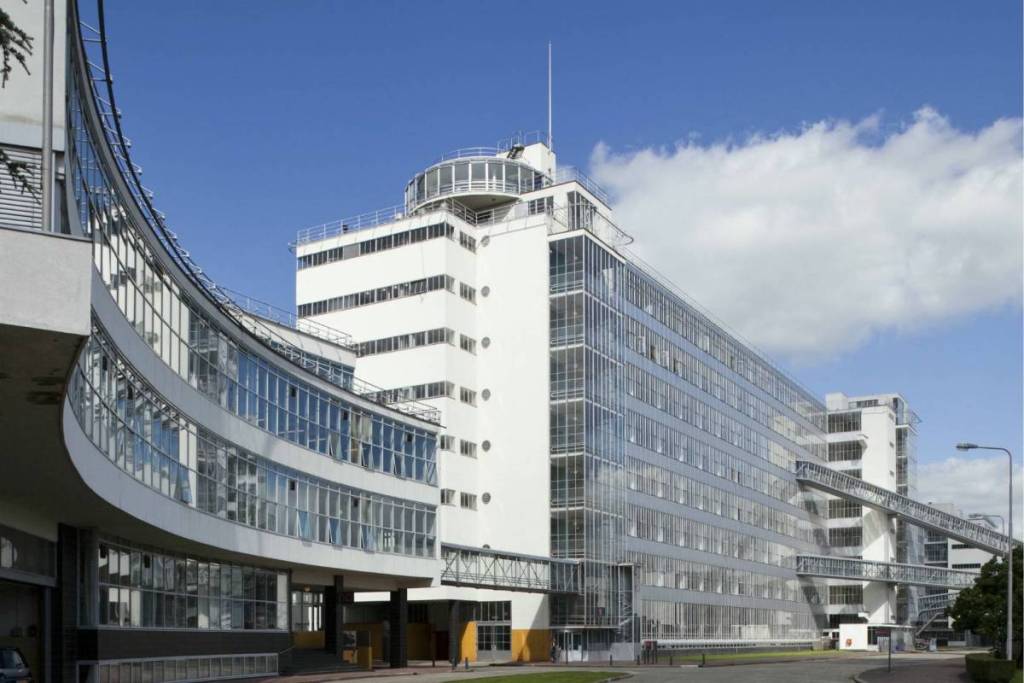
In 1927 , right in the industrial heart of Rotterdam, a complex was built that defied all traditional building codes. While factories at the time were dark, enclosed spaces, a marshy sandy plain was transformed into a pioneering structure of glass, steel, and reinforced concrete.
Architect Leendert van der Vlugt created a transparent cathedral that made extensive use of glass curtain-wall facades. The result was an architectural sensation. In 2014, UNESCO granted the building World Heritage status as one of the world’s most defining industrial monuments.
A glass palace filled with natural light and luxury
The Van Nelle Factory put the human work environment first and foremost. In the 1930s, most Dutch people worked in dark, stuffy halls, but here, sunlight streamed in abundantly through thousands of square meters of glass.
Workers enjoyed an unprecedentedly modern workplace full of comforts. With free showers, sports fields on the premises, and even its own soccer clubhouse, this Rotterdam location transformed into a sunny, progressive complex.
War drama and the director’s luxury
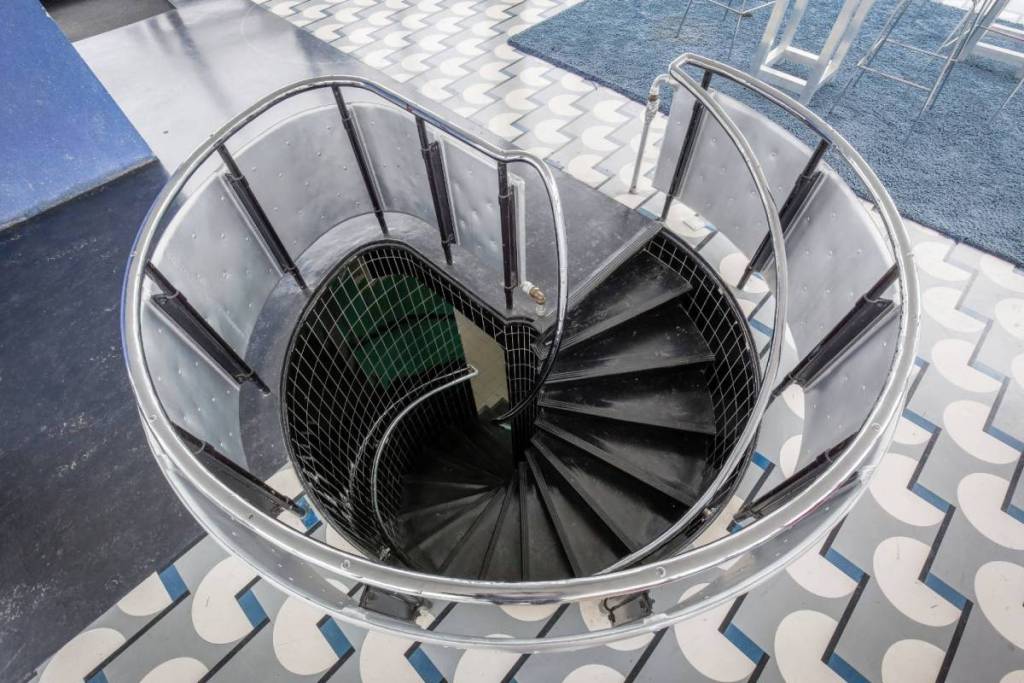
Behind the sleek glass facades lies a turbulent history. In 1930, director Dick van der Leeuw had a private runway built next to the complex for his personal plane. From the iconic glass-roofed pavilion, the “Bonbonnière,” the management looked out over their empire.
World War II brought severe destruction. A bomb strike on the coffee factory in 1943 claimed two lives, injured the management, and shattered more than 3,000 windows. Despite the damage, the glass icon rose again in all its glory after the war.