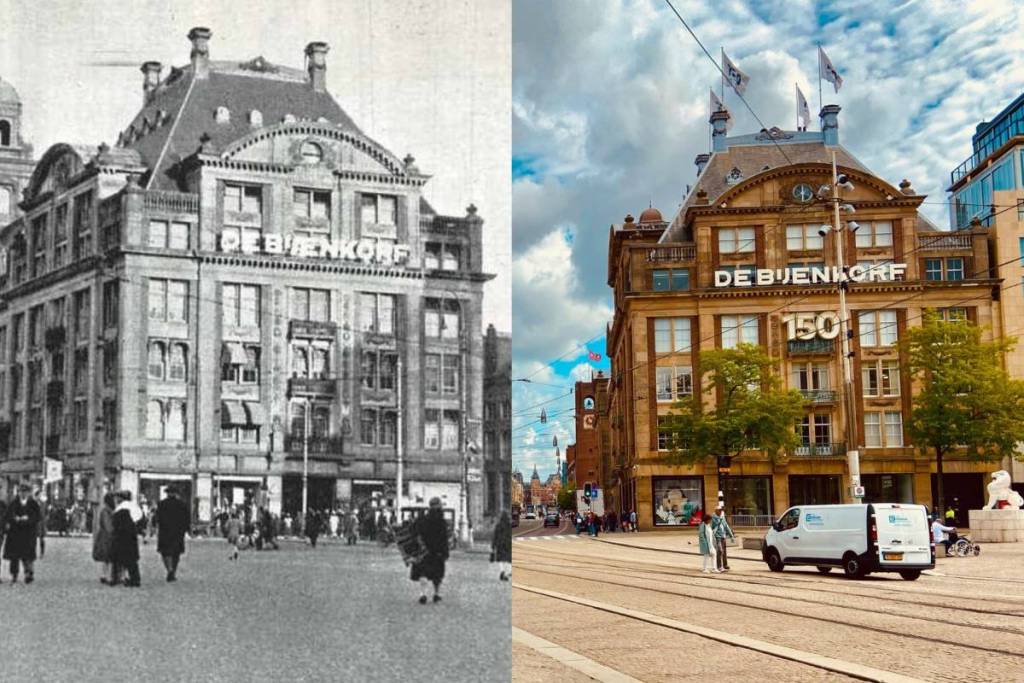

On March 23, 1870, Simon Philip Goudsmit opened the doors of Magazijn De Bijenkorf at Nieuwendijk 132. His business was straightforward: a modest haberdashery with four employees and shelves full of yarn, ribbon, and textiles.
For decades, it remained a typical Amsterdam shopping street store that grew steadily by buying up neighboring properties. But when a major renovation began in 1912, it forced management to relocate temporarily. A practical stopgap measure that completely turned the company’s fortunes around.
An Accidental Stroke of Luck
When the building on Nieuwendijk was demolished in 1912 to make way for new construction, closing down was not an option. It would simply cost too much in lost revenue. As a temporary alternative, the company therefore erected a makeshift wooden structure on the vacant lot of the old Beurs van Zocher on Damrak. The plan was clear: bridge the gap for a year and return immediately.
The move sparked a massive influx of customers. The stream of passersby on Dam Square far exceeded anything they were used to on Nieuwendijk. In no time at all, sales increased fivefold. Customers lined up in droves at the counters, and the board made the decision: a return to the old location was definitively off the table; De Bijenkorf would remain on Dam Square.
The Birth of an Amsterdam Landmark
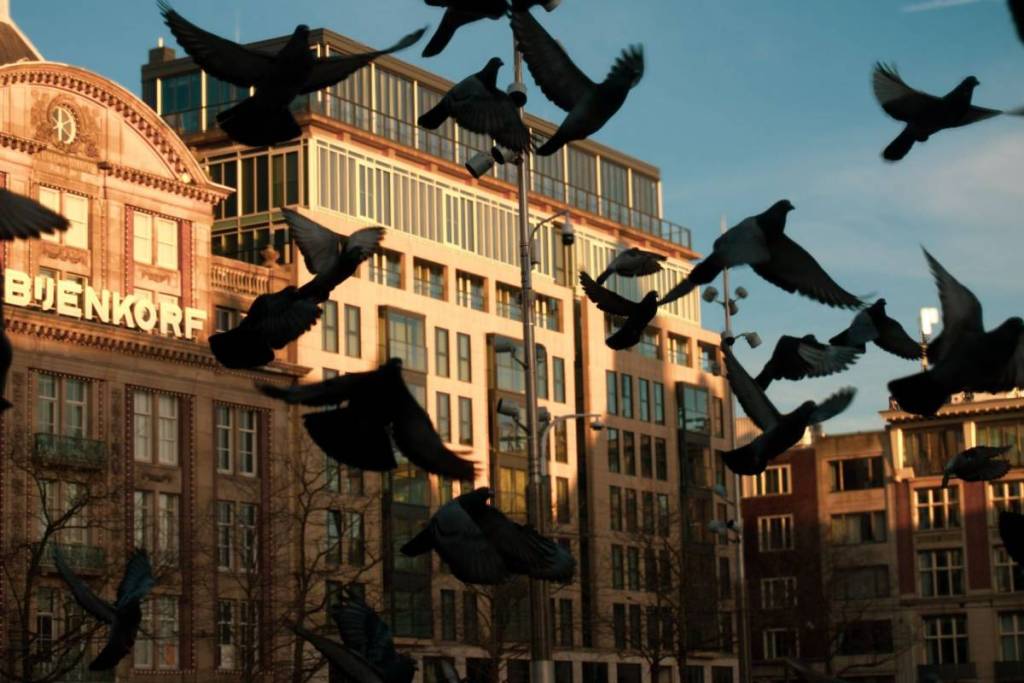
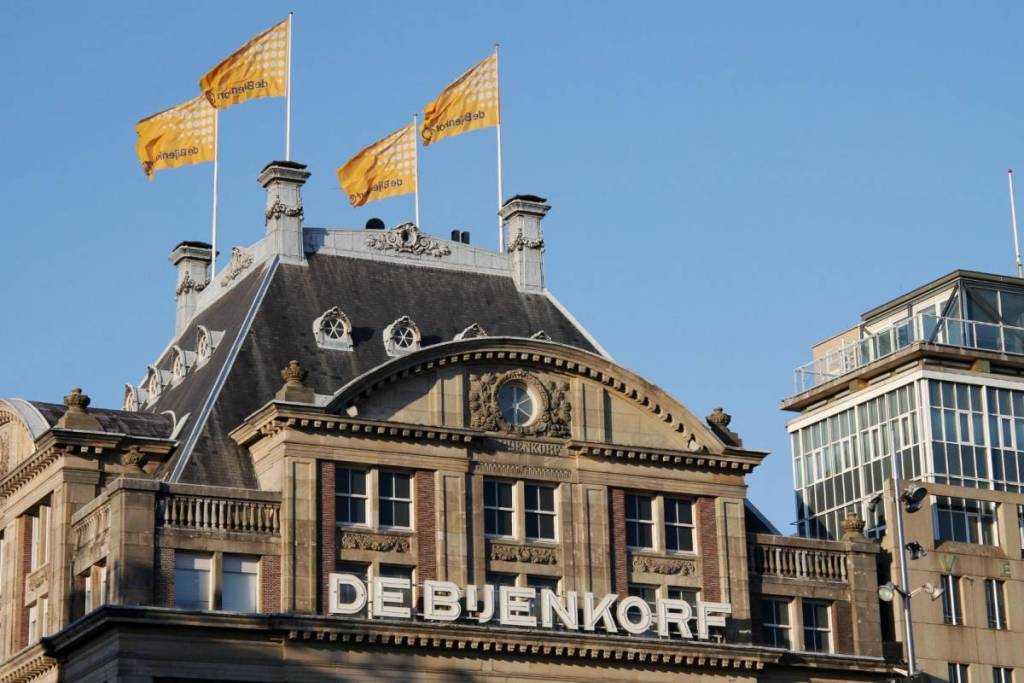
The temporary wooden building soon had to make way for a permanent home. Architect J.A. van Straaten designed a monumental department store made of natural stone and stained glass. In the midst of World War I, in 1915, the stone palace officially opened its doors on the corner of Dam Square and Damrak.
The success at that prime location laid the foundation for a nationwide empire. Management quickly expanded to The Hague and Rotterdam. In 1926, the company even founded its own discount retailer for the average person: HEMA.
A 20,000-square-meter Amsterdam icon
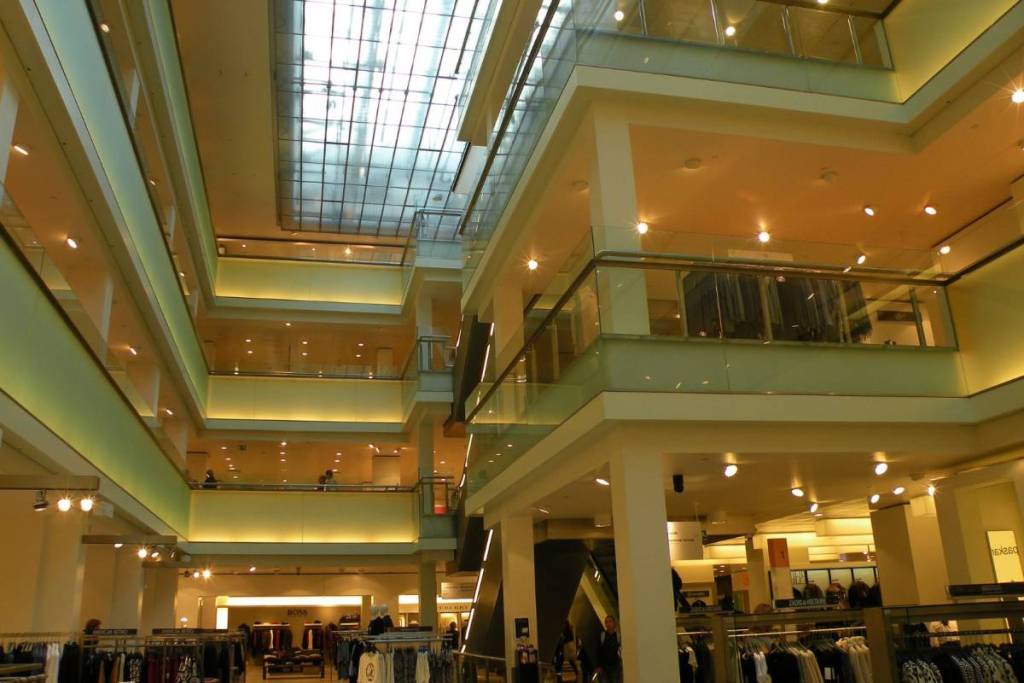
Today, the building on Dam Square boasts over 20,000 square meters of retail space and holds official status as a national historic landmark. Where fabrics and yarns were once sold over the counter, the department store has now been transformed into an exclusive luxury palace filled with top international brands and design.
The contrast with the early years is staggering. Founder Simon Philip Goudsmit started out on Nieuwendijk in 1870 with a staff of four. Today, De Bijenkorf employs more than 2,500 people nationwide, and the historic building attracts millions of visitors from the Netherlands and abroad every year.